The world of home automation is evolving rapidly, and one of the most significant advancements is the integration of AI-powered remote controls. These smart devices go far beyond traditional remotes, offering intuitive ways to manage everything from lighting and temperature to security and entertainment systems. But what exactly makes these remotes “intelligent,” and how do they operate behind the scenes? In this article, we’ll explore the technology, features, and real-world applications of these innovative tools, helping you understand how artificial intelligence is reshaping the way we interact with our homes.
As smart homes become more prevalent, understanding the mechanics of AI-driven remotes is essential for anyone looking to streamline daily routines or enhance home efficiency. We’ll break down the core technologies, highlight practical benefits, and provide resources for further exploration. For those interested in broader smart home topics, you might also find insights in our guide on ai remote home monitoring.
Understanding the Technology Behind Smart Remote Controls
At their core, AI remote controls are devices that use artificial intelligence algorithms to interpret user commands, learn preferences, and automate actions across multiple smart home devices. Unlike conventional remotes, which rely on simple infrared signals or basic wireless protocols, these advanced controllers leverage a combination of sensors, connectivity options, and machine learning to deliver a seamless experience.
Most intelligent remotes connect to your home network via Wi-Fi or Bluetooth, enabling them to communicate with a wide range of devices. Some models even support voice assistants, gesture recognition, or touch interfaces, making them highly adaptable to different user needs. Over time, the AI component analyzes usage patterns, suggesting routines or automating repetitive tasks to save time and energy.
Key Features and Capabilities of AI-Driven Remotes
The main advantage of these controllers lies in their ability to centralize control and personalize interactions. Here are some of the standout features you can expect:
- Device Integration: Manage lights, thermostats, speakers, and more from a single interface.
- Learning Algorithms: The system adapts to your habits, recommending actions or automating routines based on your behavior.
- Voice and Gesture Control: Many remotes support hands-free operation through popular voice assistants or gesture recognition.
- Remote Access: Control your home from anywhere using a smartphone app or web portal.
- Energy Optimization: AI can suggest ways to reduce energy consumption, such as adjusting heating or lighting schedules.
For those interested in energy management, exploring ai battery management systems for homes can provide additional insights into how artificial intelligence is optimizing home efficiency.
How AI Remote Controls Learn and Adapt
One of the defining aspects of these smart controllers is their ability to learn from user interactions. Through continuous monitoring of commands, schedules, and environmental data, the AI system builds a profile of your preferences. For example, if you consistently dim the lights at a certain hour or adjust the thermostat before bedtime, the remote can automate these actions in the future.
This adaptive approach not only enhances convenience but also contributes to a more personalized living environment. Over time, the AI becomes better at predicting your needs, reducing the number of manual inputs required. This is especially valuable in homes with multiple occupants, as the system can differentiate between users and tailor responses accordingly.
Integration with Other Smart Home Devices
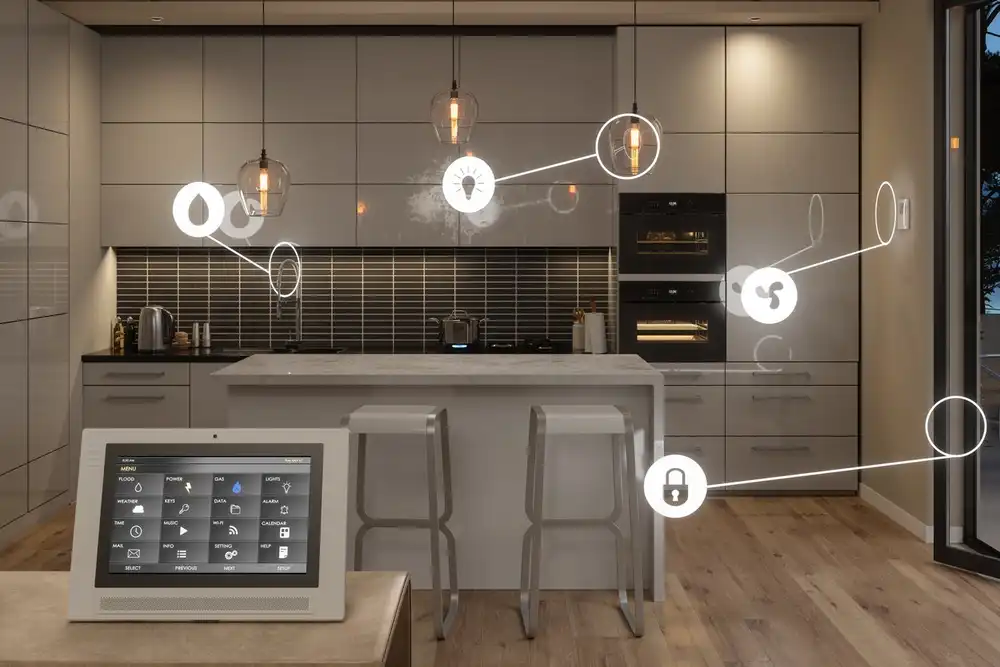
AI-powered remotes are designed to work seamlessly with a wide array of devices and platforms. Whether you’re using smart bulbs, thermostats, security cameras, or entertainment systems, these controllers act as a central hub. Compatibility with popular ecosystems like Google Home, Amazon Alexa, and Apple HomeKit ensures that you can manage all your devices from a single point of control.
For students and DIY enthusiasts, exploring ai smart home project ideas can provide inspiration for integrating AI remotes into custom automation setups.

Benefits of Using AI-Enabled Remote Controls
Adopting these advanced controllers brings several practical advantages:
- Convenience: Manage multiple devices with fewer steps and less effort.
- Personalization: Enjoy routines and settings tailored to your lifestyle.
- Energy Savings: Automated adjustments help reduce unnecessary power usage.
- Accessibility: Voice and gesture controls make smart homes more inclusive for people with mobility challenges.
- Security: Integrate with alarms and cameras for enhanced peace of mind.
For a broader look at how artificial intelligence is transforming home living, check out this overview of top AI-powered home devices.
Challenges and Considerations
While the benefits are compelling, there are some considerations to keep in mind. Privacy and security are paramount, as these devices often collect and process personal data. It’s important to choose remotes from reputable brands that prioritize data protection and offer regular software updates.
Compatibility can also be an issue, especially in homes with a mix of older and newer devices. Before investing, verify that your chosen controller supports the platforms and products you already own. Additionally, while AI can automate many tasks, some users may prefer manual control for certain functions.
For those interested in sustainable living, integrating AI remotes with ai green smart homes with ai can further enhance energy efficiency and environmental impact.
Future Trends in AI Remote Control Technology
The future of smart home control is likely to see even deeper integration of artificial intelligence. Expect advancements in natural language processing, context-aware automation, and interoperability between devices. As machine learning models become more sophisticated, remotes will be able to anticipate needs with greater accuracy and adapt to changing household dynamics.
Innovations such as emotion recognition, environmental sensing, and predictive maintenance are on the horizon, promising to make home management even more intuitive and proactive. Staying informed about these trends will help homeowners make the most of their investments in smart technology.
Frequently Asked Questions
What makes an AI remote control different from a traditional remote?
Unlike standard remotes that send basic signals, AI-powered controllers use artificial intelligence to learn user habits, automate routines, and integrate with a wide range of smart devices. They often support voice, gesture, and app-based controls for greater flexibility.
Are AI remote controls compatible with all smart home devices?
Most modern AI remotes are designed to work with popular platforms like Google Home, Amazon Alexa, and Apple HomeKit. However, it’s important to check compatibility with your specific devices before purchasing.
How do these remotes protect user privacy?
Reputable brands implement strong data encryption, regular software updates, and transparent privacy policies. Users should review privacy settings and ensure their devices are kept up to date to minimize risks.
Can AI remotes help save energy?
Yes, by learning your routines and optimizing device usage, these controllers can suggest energy-saving actions and automate adjustments to reduce unnecessary consumption.
Conclusion
AI-powered remote controls are transforming the way we interact with our living spaces. By combining advanced learning algorithms with seamless device integration, these tools offer unmatched convenience, personalization, and efficiency. As the technology continues to evolve, homeowners can look forward to even smarter, more adaptive solutions that make everyday life easier and more enjoyable.
For further reading on occupancy detection and smart home automation, consider exploring ai occupancy detection in homes.