The ability of artificial intelligence to interpret and process video streams is transforming how we interact with technology in our homes, workplaces, and public spaces. From smart security cameras to advanced home automation, understanding how does AI analyze video footage is essential for anyone interested in the future of intelligent environments. This article explores the core methods, technologies, and real-world applications that make AI-powered video analysis possible, offering a clear look at the processes behind the scenes.
As AI becomes more integrated into daily life, its role in video interpretation is expanding rapidly. Whether it’s for home monitoring, energy management, or enhancing convenience, the technology behind automated video analysis is both sophisticated and accessible. For those curious about related innovations, you might also find value in exploring AI remote home monitoring and other smart home solutions.
Key Steps in Automated Video Interpretation
To grasp how does AI analyze video footage, it’s helpful to break down the process into several fundamental stages. Each step leverages different algorithms and technologies to convert raw video into actionable insights.
- Frame Extraction: Video is essentially a sequence of images, or frames. AI systems first extract these frames at set intervals to analyze them individually or in sequence.
- Preprocessing: Before analysis, frames may be resized, enhanced, or filtered to reduce noise and improve clarity. This step ensures that subsequent AI models receive high-quality input.
- Object Detection and Recognition: Using deep learning models such as convolutional neural networks (CNNs), the AI identifies objects, people, or specific features within each frame.
- Tracking and Motion Analysis: Once objects are detected, the system tracks their movement across frames. This is crucial for applications like security, where following a person or vehicle is necessary.
- Event Detection: AI algorithms can recognize specific actions or events, such as someone entering a room, a package being delivered, or unusual activity.
- Data Aggregation and Reporting: Insights from video analysis are compiled and reported to users, often in real time. This enables prompt responses or automated actions.
Core Technologies Behind AI Video Analysis
The effectiveness of automated video interpretation depends on several advanced technologies. Understanding these components sheds light on the rapid progress in this field.
- Machine Learning Algorithms: These are the backbone of pattern recognition, enabling systems to learn from vast datasets and improve accuracy over time.
- Deep Learning Models: Especially convolutional neural networks, which excel at image and video analysis by mimicking the way humans process visual information.
- Edge Computing: Processing video data locally (on the device) reduces latency and enhances privacy, which is particularly important for smart home applications.
- Cloud Integration: For more complex analysis or storage, video data can be sent to cloud servers where more powerful AI models operate.
Real-World Applications in Smart Homes
AI-powered video analysis is central to many modern home automation features. Here are some practical examples of how this technology is making everyday life safer and more convenient:
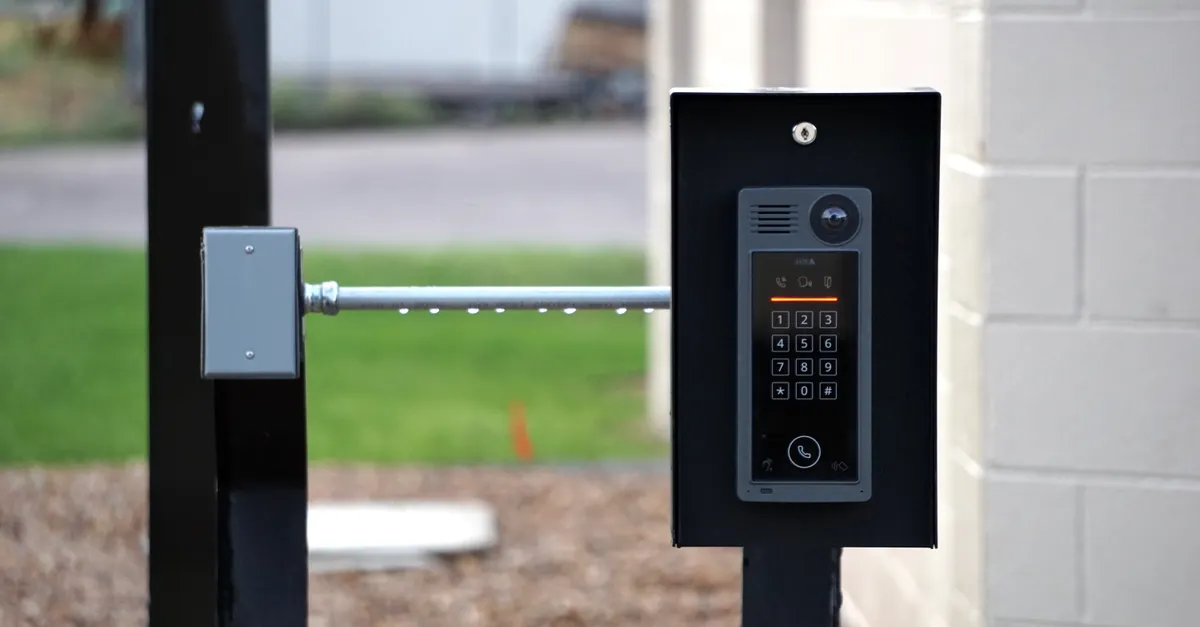
- Security Monitoring: Smart cameras can distinguish between family members, visitors, pets, and potential intruders, sending alerts only when necessary.
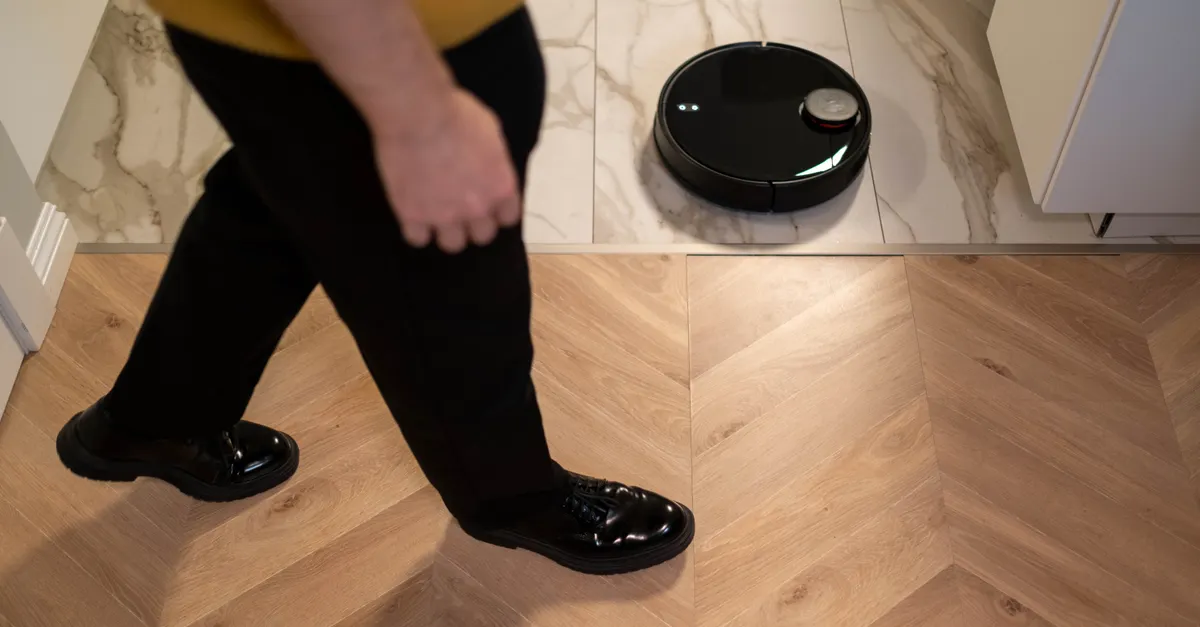
- Occupancy Detection: By analyzing movement and presence, systems can adjust lighting, heating, or cooling automatically. For more on this, see AI occupancy detection in homes.
- Energy Management: AI can monitor activity patterns to optimize appliance use, reducing energy waste and lowering utility bills.
- Assisted Living: Video analysis helps monitor elderly or vulnerable individuals, detecting falls or unusual inactivity and notifying caregivers.

Challenges and Limitations of Video Analysis by AI
While the progress in automated video interpretation is impressive, there are still several challenges to consider:
- Privacy Concerns: Continuous monitoring raises questions about data security and personal privacy, especially in residential settings.
- False Positives: AI systems may occasionally misinterpret harmless activity as a threat, leading to unnecessary alerts.
- Lighting and Environmental Factors: Poor lighting, weather conditions, or obstructions can reduce the accuracy of video analysis.
- Computational Demands: Real-time processing of high-definition video requires significant hardware resources, which may not be available on all devices.
How AI Video Analysis Enhances Smart Devices
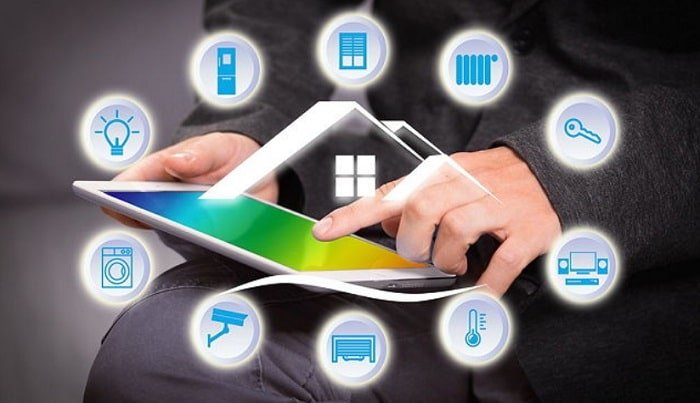
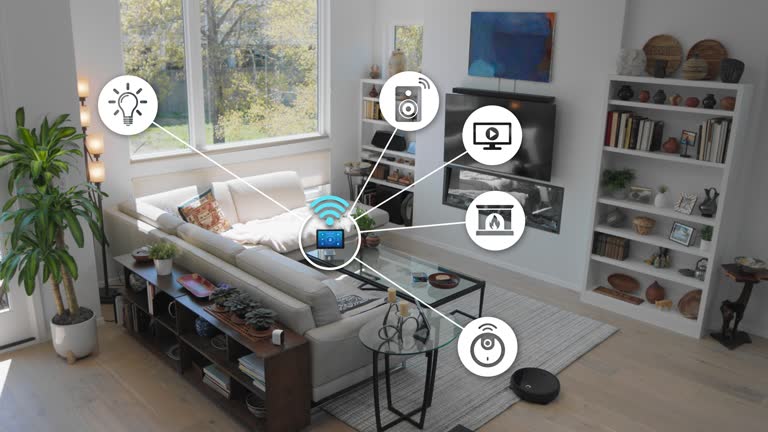
Integrating video analysis into smart home devices unlocks a range of advanced features. For example, smart speakers and thermostats can respond to visual cues, not just voice or manual input. This synergy between vision and automation is a key driver of the next generation of home technology.
For those interested in the broader impact of AI on home environments, resources like AI green smart homes with AI technology provide further insights into sustainable and intelligent living.
Future Trends in AI-Powered Video Processing
As technology advances, the capabilities of AI in video analysis are expected to grow even further. Some emerging trends include:
- Improved Context Awareness: AI will better understand the context of actions, reducing false alarms and enhancing user experience.
- Integration with Other Sensors: Combining video with data from audio, motion, or environmental sensors will create more robust and reliable systems.
- Personalization: AI will adapt its analysis to individual user preferences, learning routines and customizing alerts accordingly.
- Greater Accessibility: As processing power increases and costs decrease, advanced video analysis will become standard in more affordable smart home products.
To stay updated on the latest in smart home AI, consider exploring AI smart home project ideas for students for inspiration and practical applications.
Ethical Considerations and Responsible Use
As with any powerful technology, the use of AI for video interpretation comes with ethical responsibilities. Homeowners and developers should prioritize transparency, data protection, and informed consent when deploying these systems. For a broader perspective on responsible technology adoption, this guide to AI home appliances and technology offers valuable insights.
FAQ
What types of video can AI analyze?
AI can process a wide range of video formats, including live streams from security cameras, pre-recorded footage, and even video calls. The underlying algorithms are designed to handle both standard and high-definition content, making them suitable for various applications.
Is AI video analysis secure and private?
Security and privacy depend on how the system is implemented. Edge computing, where data is processed locally, can enhance privacy by keeping footage within the home. However, cloud-based solutions may require additional safeguards, such as encryption and strict access controls.
Can AI recognize specific people or objects in video?
Yes, modern AI systems can be trained to identify faces, pets, vehicles, and other objects with high accuracy. This capability is widely used in smart home security, access control, and personalized automation.
How does AI video analysis benefit energy management?
By detecting occupancy and activity patterns, AI can optimize the use of heating, cooling, and lighting systems, reducing energy waste and improving comfort.
Where can I learn more about AI in smart homes?
For further reading, check out resources like AI battery management systems for homes to see how intelligent technology is shaping the future of residential living.