Artificial intelligence is transforming the way we interact with fitness equipment, and treadmills are no exception. Many modern treadmills now use AI-powered systems to automatically adjust speed, making workouts safer, more efficient, and tailored to individual users. But how does an AI treadmill adjust speed in real-world scenarios? This article explores the technology behind these smart machines, the benefits for users, and what sets them apart from traditional treadmills.
Understanding these innovations is especially relevant for those interested in the broader world of smart home technology. If you’re exploring topics like ai battery management systems for homes or other connected devices, you’ll find that AI-powered treadmills are part of a growing ecosystem of intelligent, adaptive products designed to make daily life easier and more personalized.
The Technology Behind AI-Powered Speed Adjustment
At the heart of these advanced treadmills is a combination of sensors, data processing, and machine learning algorithms. Unlike conventional models that rely solely on manual controls, AI-enabled treadmills use real-time data to make intelligent decisions about speed and incline. This section breaks down the core components that enable these smart adjustments:
- Motion Sensors: These detect your pace, stride length, and running or walking patterns. Accelerometers and gyroscopes are commonly used to capture movement data.
- Heart Rate Monitors: Built-in sensors or wearable integrations track your heart rate, allowing the AI to adjust speed for optimal cardiovascular benefits.
- Camera Systems: Some models use cameras to analyze posture and gait, further refining speed adjustments for safety and comfort.
- Machine Learning Algorithms: The AI processes incoming data, compares it with historical patterns, and predicts the best speed settings for your current workout.
By combining these technologies, AI treadmills can respond to subtle changes in your movement or physical state, offering a more adaptive and personalized exercise experience.
How AI Treadmills Respond to User Behavior
One of the most impressive features of AI-powered treadmills is their ability to interpret user intent and physical cues. For example, if you start to increase your pace, the treadmill can detect this and gradually raise the speed to match. Conversely, if you slow down or show signs of fatigue, the system can reduce speed for safety.
Here’s a closer look at the typical process:
- Data Collection: The treadmill continuously gathers data from sensors and monitors.
- Real-Time Analysis: AI algorithms analyze this data to determine your current activity level and physical condition.
- Predictive Adjustment: Based on trends and patterns, the system predicts your next move and adjusts speed accordingly.
- Feedback Loop: The treadmill keeps monitoring and fine-tuning speed, creating a seamless and responsive workout.

Benefits of Automatic Speed Control in Smart Treadmills
Integrating artificial intelligence into treadmills brings several advantages for users of all fitness levels. Here are some of the main benefits:
- Personalized Workouts: The treadmill adapts to your unique running or walking style, providing a customized experience every time.
- Enhanced Safety: By monitoring your heart rate and movement, the system can slow down or stop if it detects signs of distress or fatigue.
- Motivation and Engagement: Dynamic speed adjustments keep workouts challenging and interesting, helping you stay motivated.
- Reduced Risk of Injury: AI can identify irregular gait or posture and adjust speed to minimize strain on joints and muscles.
These features make AI treadmills especially appealing for those who want a hands-free, intuitive workout that adapts in real time.
AI Treadmill Speed Adjustment vs. Traditional Controls
Traditional treadmills require users to manually adjust speed and incline, often through buttons or touchscreens. While this gives direct control, it can interrupt the flow of a workout and may not always match your physical needs in the moment. In contrast, AI-powered treadmills automate these adjustments, resulting in a smoother and more natural exercise session.
Here’s a quick comparison:
| Feature | Traditional Treadmill | AI-Powered Treadmill |
|---|---|---|
| Speed Adjustment | Manual | Automatic, real-time |
| Personalization | Limited | Highly adaptive |
| Safety Monitoring | User-dependent | Continuous, AI-driven |
| Data Integration | Basic | Advanced (heart rate, gait, etc.) |
For those interested in the broader impact of AI on home technology, exploring related topics like ai remote home monitoring can provide further insights into how artificial intelligence is reshaping everyday devices.
Integration with Smart Home Ecosystems
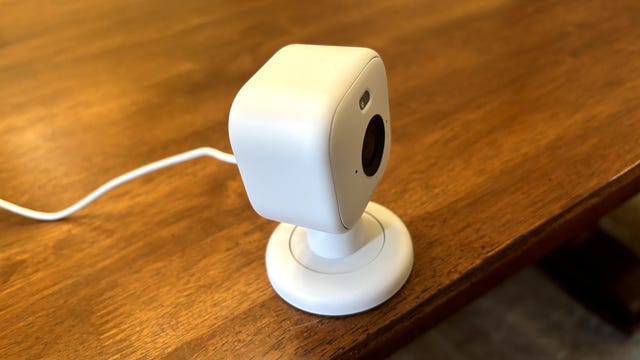
Many AI treadmills are designed to work seamlessly with other smart home devices. For instance, they can sync with fitness trackers, smartwatches, or even voice assistants, allowing users to control workouts with simple commands or monitor progress across multiple platforms. This level of integration is part of a larger trend toward connected living, where devices share data to create a more cohesive and intelligent environment.
If you’re looking for inspiration on how to expand your smart home setup, you might find value in resources like ai smart home project ideas for students and enthusiasts.
Emerging Trends and Future Developments
The evolution of AI in fitness equipment is just beginning. Future models may incorporate even more advanced sensors, such as those that measure blood oxygen or hydration levels. Some treadmills are already experimenting with virtual coaching, where AI not only adjusts speed but also provides real-time feedback on form and motivation.
For a broader look at how artificial intelligence is being integrated into portable devices, check out this overview of innovative AI-powered technology shaping the future of consumer electronics.
FAQ
What data does an AI treadmill use to adjust speed?
AI treadmills typically use a combination of motion sensors, heart rate monitors, and sometimes cameras to collect real-time data about your movement, pace, and physical condition. This information is processed by machine learning algorithms to determine the optimal speed for your workout.
Can I override the automatic speed adjustments?
Yes, most AI-powered treadmills allow users to switch between automatic and manual modes. You can override the AI’s decisions at any time if you prefer to control the speed yourself.
Are AI treadmills suitable for beginners?
Absolutely. The adaptive nature of AI treadmills makes them ideal for users of all fitness levels. Beginners benefit from the safety features and personalized pacing, while experienced runners enjoy the dynamic adjustments that keep workouts challenging.
How do AI treadmills contribute to a smart home setup?
These treadmills can integrate with other smart devices, such as fitness trackers and home automation systems, to provide a unified and intelligent fitness experience. This connectivity allows for better tracking, voice control, and even automated workout scheduling.