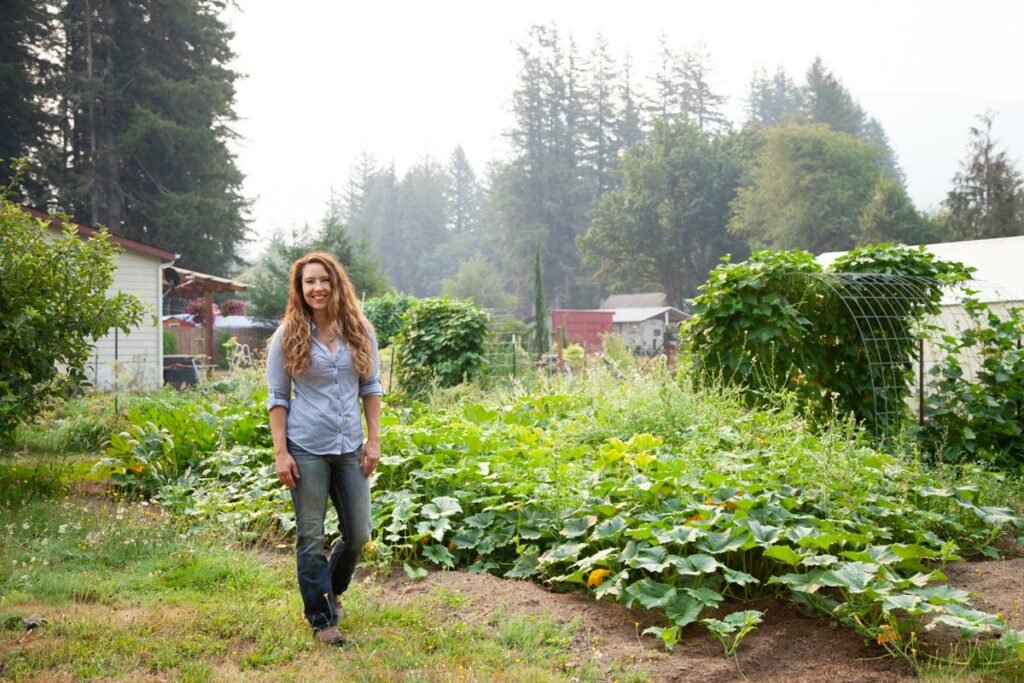
The idea of living far from city lights, disconnected from public utilities, and surrounded by nature has drawn many people toward a rural off-grid lifestyle. For some, it’s about self-sufficiency and independence. For others, it’s a response to environmental concerns or a desire for a simpler, slower pace of life. But what does it truly mean to live off the grid in a rural setting? This article explores the genuine advantages, challenges, and daily realities of making this transition.
Whether you’re considering a move to the countryside or simply curious about what’s involved, understanding the full picture is essential. From energy solutions to food production and the social aspects of rural living, there’s much to consider before making the leap. If you’re interested in practical steps and personal experiences, you might also enjoy reading about transitioning to off-grid life for a deeper dive into the process.
The Appeal of Living Off the Grid in Rural Areas
Many people are drawn to the countryside for its tranquility, open spaces, and the promise of a more sustainable way of life. The rural off-grid lifestyle offers a unique opportunity to break free from modern dependencies and reconnect with the land. Some of the main attractions include:
- Self-sufficiency: Growing your own food, generating your own power, and managing your own water supply can be deeply rewarding.
- Lower cost of living: While the initial investment can be significant, ongoing expenses are often reduced, especially if you produce much of what you consume.
- Environmental impact: Many off-grid homesteaders aim to minimize their ecological footprint by using renewable energy and sustainable practices.
- Privacy and space: Rural properties typically offer more land and fewer neighbors, allowing for greater freedom and solitude.
For those interested in integrating technology with traditional methods, modern off-grid homesteading demonstrates how smart solutions can enhance efficiency and comfort without sacrificing independence.
Key Advantages of a Rural Off-Grid Lifestyle
Embracing life off the grid in a rural setting comes with several notable benefits. Here are some of the most significant:
-
Energy Independence
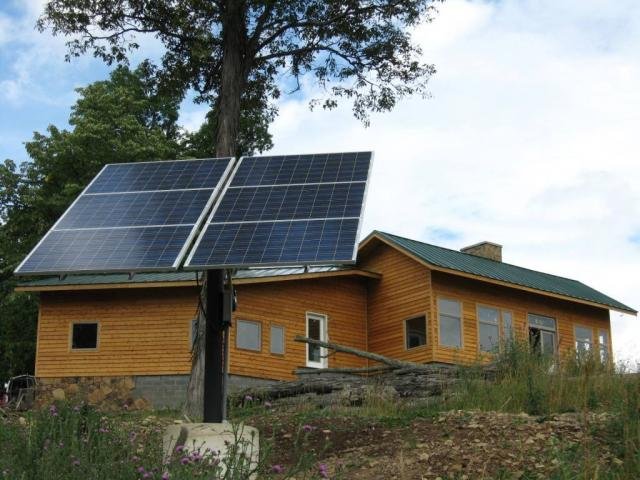
By harnessing solar, wind, or hydro power, rural homesteaders can generate their own electricity. This reduces reliance on public utilities and can provide resilience during outages or emergencies. -
Food Security
Many off-grid families maintain large gardens, orchards, and livestock. This not only ensures a steady supply of fresh produce and protein but also fosters a deeper connection to the food you eat. -
Personal Fulfillment
The sense of accomplishment that comes from building, maintaining, and improving your own homestead is hard to match. Many find the work physically demanding but emotionally satisfying. -
Reduced Environmental Impact
Off-grid living often encourages conservation, recycling, and the use of renewable resources, which can significantly lower your carbon footprint.
Challenges and Downsides of Off-Grid Rural Living
While the rewards are real, the rural off-grid lifestyle also brings its share of difficulties. It’s important to weigh these carefully before making a decision.
-
Initial Costs and Setup
Acquiring land, installing renewable energy systems, drilling wells, and building infrastructure can require a substantial upfront investment. -
Physical Demands
Daily chores such as hauling water, splitting firewood, and tending livestock can be physically taxing, especially during extreme weather. -
Isolation
Living far from neighbors and services can lead to feelings of loneliness, particularly during winter or emergencies. -
Limited Access to Services
Medical care, schools, and shopping may be far away. Internet and cell service can also be unreliable in remote areas. -
Maintenance and Repairs
Off-grid systems require ongoing attention. Solar panels, batteries, water pumps, and septic systems need regular maintenance and troubleshooting.
For a closer look at daily routines and how people manage these challenges, the article on daily life off-grid homestead provides practical insights from real homesteaders.
What Daily Life Really Looks Like Off the Grid
The day-to-day experience of rural off-grid living is shaped by the seasons, the land, and the needs of your household. Here’s what you can expect:
- Seasonal Work: Planting, harvesting, preserving food, and preparing for winter are major tasks. Each season brings its own set of priorities.
- Resource Management: Monitoring energy usage, water levels, and food stores is a constant process. Efficiency and planning are key.
- Problem-Solving: Unexpected issues—like equipment breakdowns or severe weather—require adaptability and a willingness to learn new skills.
- Community Connections: While rural life can be isolating, many off-gridders build strong relationships with neighbors for support, bartering, and socializing.
If you’re interested in how others have made this lifestyle work, off-grid living success stories can offer inspiration and practical tips from those who have already taken the plunge.
Essential Skills and Preparations for Going Off the Grid
Preparing for a rural off-grid lifestyle involves more than just moving to the country. Here are some key areas to focus on:
- Energy Systems: Learn about solar, wind, and backup generators. The off-grid living guide from Briggs & Stratton provides a comprehensive overview of energy solutions and maintenance.
- Water and Waste: Understand how to source, filter, and store water. Septic systems or composting toilets are common solutions for waste management.
- Food Production: Gardening, animal husbandry, and food preservation are essential skills for self-reliance.
- Building and Repairs: Basic carpentry, plumbing, and electrical knowledge will save money and keep your systems running smoothly. For those interested in eco-friendly construction, explore natural building techniques off-grid for sustainable home options.
- Emergency Preparedness: Have plans for medical emergencies, severe weather, and supply shortages.
Is a Rural Off-Grid Lifestyle Right for You?
Choosing to live off the grid in a rural area is a major decision that affects every aspect of your life. It requires careful planning, a willingness to adapt, and a strong work ethic. While the rewards can be substantial—greater independence, a closer relationship with nature, and a sense of accomplishment—the challenges are real and ongoing.
If you’re considering this path, start by researching, visiting existing homesteads, and gradually building the skills you’ll need. Remember, it’s not an all-or-nothing proposition; many people transition gradually, learning as they go and adapting their approach over time.
Frequently Asked Questions
What are the biggest challenges of living off the grid in a rural area?
The most significant challenges include the initial setup costs, physical labor involved in daily chores, isolation from services and community, and the need for ongoing maintenance of energy and water systems. Planning and preparation can help mitigate many of these difficulties.
How much does it cost to start a rural off-grid homestead?
Costs vary widely depending on location, land prices, and the systems you choose. Major expenses include land purchase, renewable energy installation, water and waste systems, and building materials. Some people start small and expand over time to manage costs.
Can you live comfortably off the grid with modern technology?
Yes, many people combine traditional skills with modern technology to improve comfort and efficiency. Solar panels, efficient appliances, and smart home systems can make off-grid living more convenient while maintaining independence from public utilities.