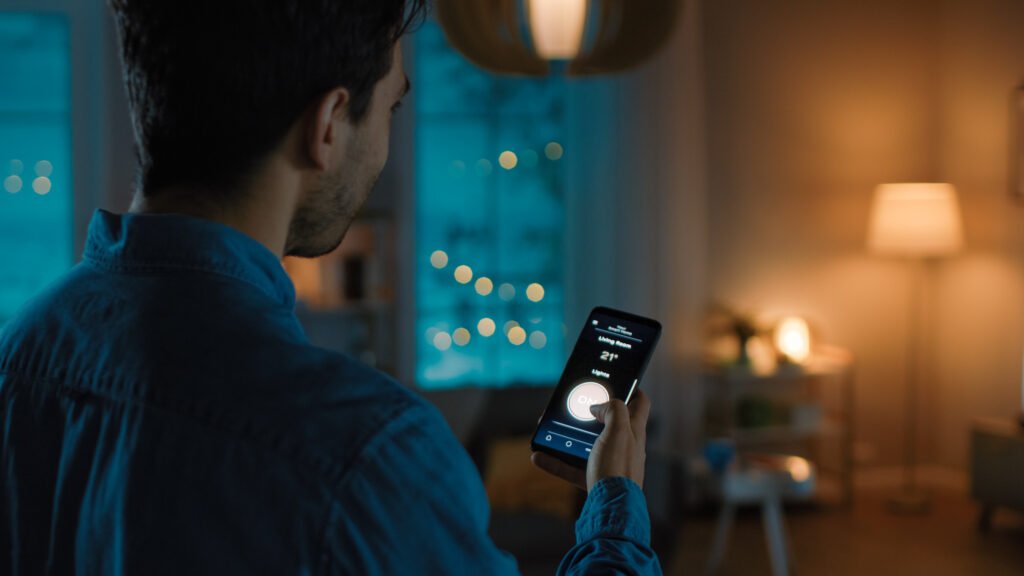
Upgrading your apartment with smart lighting is one of the easiest ways to enhance convenience, comfort, and energy efficiency—without making permanent changes or risking your security deposit. This guide explores how to select, install, and enjoy intelligent lighting solutions that are ideal for renters. Whether you want to automate your daily routine, set the perfect mood, or simply save on electricity, there are flexible options designed for apartment living.
Before diving into product choices and setup, it’s important to understand what makes smart lighting so appealing for renters. Unlike traditional fixtures, these systems offer wireless control, customizable scenes, and compatibility with voice assistants—all without requiring rewiring or landlord approval. If you’re interested in maximizing your space, you may also want to check out the smart lighting for small homes guide for additional inspiration tailored to compact living environments.
Why Choose Smart Lighting in an Apartment?
Modern renters are increasingly turning to smart lighting for apartments because it offers a blend of flexibility and advanced features. Here are some of the main advantages:
- No hardwiring required: Most smart bulbs and plugs simply screw into existing sockets or plug into outlets, making installation quick and reversible.
- Remote and voice control: Use your smartphone or voice assistants like Alexa, Google Assistant, or Siri to control lights from anywhere.
- Customizable scenes: Set schedules, dim lights, or change colors to match your mood or activity.
- Energy savings: LED smart bulbs use less electricity and can be programmed to turn off automatically when not needed.
- Security features: Automate lights to mimic occupancy when you’re away, deterring potential intruders.
Smart lighting also supports sustainability goals. According to studies on LED smart lighting benefits, these systems can significantly reduce energy consumption and maintenance costs.
Types of Rent-Friendly Smart Lighting Solutions
There’s a wide range of products that cater to renters who want to avoid permanent installations. Here are the most popular options:
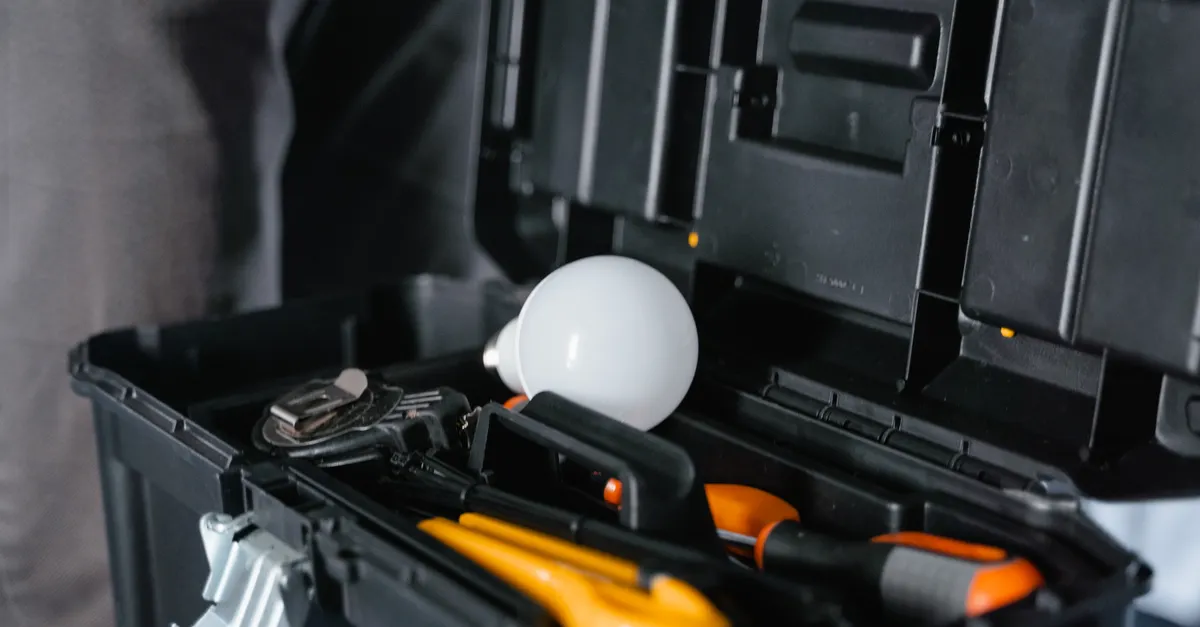
- Smart bulbs: Replace standard bulbs in lamps and ceiling fixtures. They connect via Wi-Fi, Bluetooth, or Zigbee, and offer features like dimming and color changing.
- Smart plugs: Turn regular lamps into smart lights by plugging them into a Wi-Fi-enabled outlet adapter.
- Portable smart lamps: Battery-powered or USB-rechargeable lamps that can be moved around the apartment.
- LED light strips: Flexible strips that adhere to surfaces for accent lighting—perfect for under cabinets, behind TVs, or along shelves.
- Motion sensors: Add automation so lights turn on when you enter a room and off when you leave.
For a deep dive into the latest trends and innovations in this space, see the smart lighting innovation overview for insights on emerging technologies and standards.
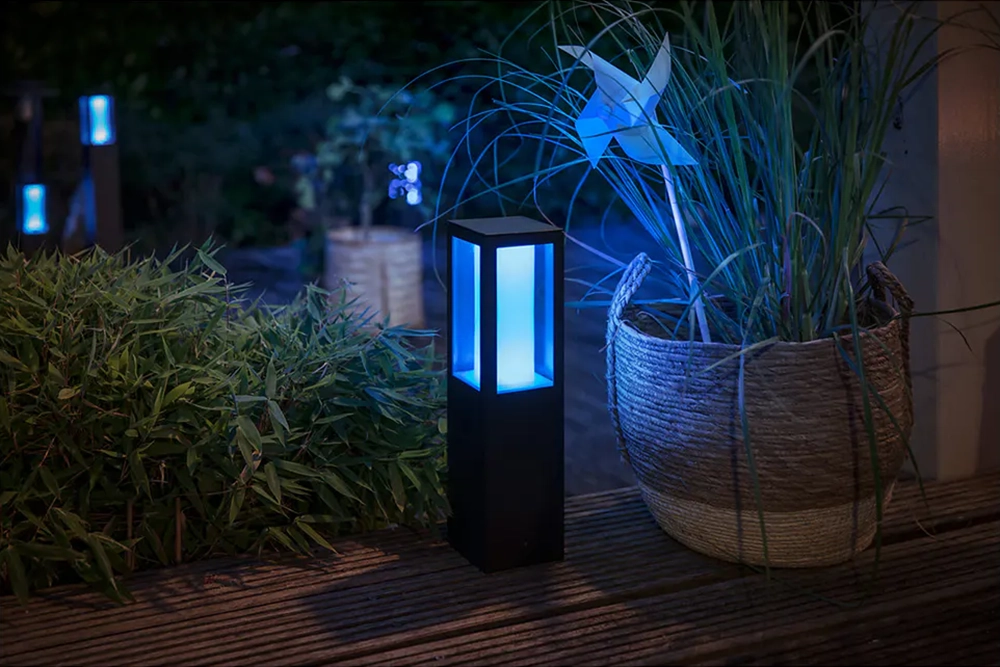
How to Set Up Smart Lighting Without Damaging Your Apartment
One of the main concerns for renters is ensuring that upgrades don’t leave marks or require modifications that could jeopardize a deposit. Here’s how to install smart lighting safely:
- Choose non-invasive products: Stick to bulbs, plugs, and adhesive-backed strips that can be removed cleanly.
- Use removable adhesives: For LED strips or sensors, use 3M Command strips or similar products that won’t damage paint or surfaces.
- Avoid rewiring: Never attempt to rewire fixtures or switches unless you have explicit landlord permission.
- Keep original hardware: Store any replaced bulbs or lamp parts so you can restore them before moving out.
- Test connectivity: Ensure your Wi-Fi signal reaches all areas where you plan to install smart devices for reliable performance.
For more on user-friendly controls and setup, the smart lighting user experience trends article covers how interfaces are becoming simpler and more intuitive.
Top Rent-Friendly Smart Lighting Products
There are several brands and products that stand out for their ease of use and compatibility with apartment living. Here are a few to consider:
- Philips Hue Starter Kit: Includes smart bulbs and a hub for easy setup and integration with most voice assistants.
- Kasa Smart Light Bulbs: Affordable, Wi-Fi-enabled bulbs that don’t require a separate hub.
- LIFX Bulbs: Offer vibrant colors and direct Wi-Fi connectivity.
- TP-Link Smart Plugs: Instantly make any lamp smart by plugging it into these adapters.
- Govee LED Light Strips: Flexible accent lighting with app and voice control.
When selecting products, check for compatibility with your preferred smart home ecosystem and ensure they don’t require permanent installation.
Tips for Maximizing Smart Lighting in Small Spaces
Making the most of your apartment’s lighting isn’t just about technology—it’s also about placement and creativity. Here are some practical tips:
- Layer your lighting: Combine overhead lights, floor lamps, and accent strips to create depth and flexibility.
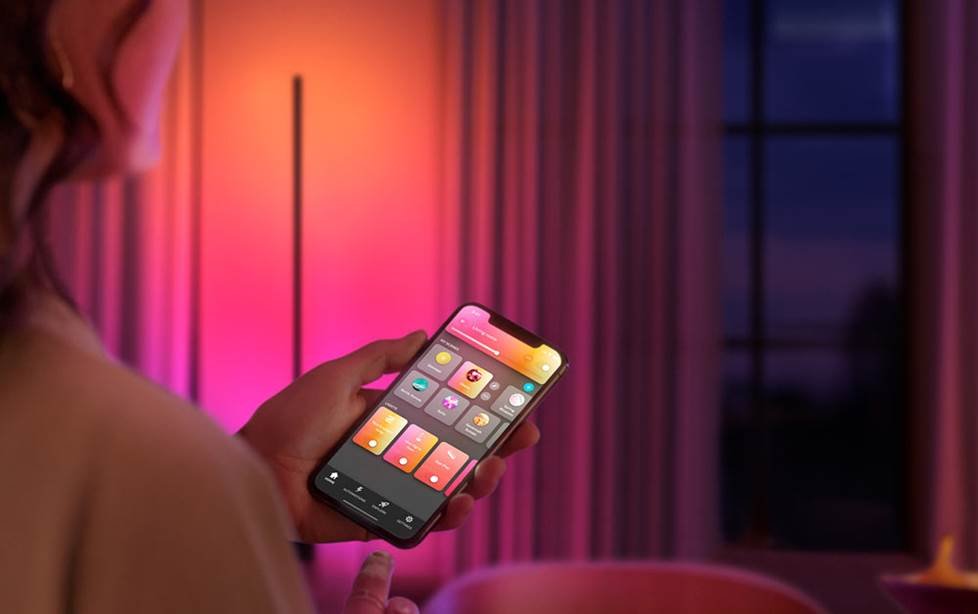
- Use scenes and routines: Set up “movie night,” “reading,” or “wake-up” scenes to match your activities and save time.
- Automate for efficiency: Schedule lights to turn off when you leave for work or dim automatically in the evening.
- Highlight features: Use LED strips to accent shelves, artwork, or architectural details for a modern look.
- Experiment with colors: Change the ambiance with color bulbs for parties, relaxation, or focus.
For more advanced integration, you can explore how artificial intelligence is shaping the future of home lighting in the smart lighting AI integration explained resource.
Common Mistakes to Avoid When Upgrading Apartment Lighting
While smart lighting is generally straightforward, renters should watch out for a few pitfalls:
- Ignoring Wi-Fi coverage: Smart devices need a strong, stable connection. Consider a Wi-Fi extender if you have dead zones.
- Overlooking compatibility: Not all bulbs and plugs work with every voice assistant or app. Double-check before purchasing.
- Leaving original bulbs behind: Always keep the landlord’s bulbs and hardware to restore before moving out.
- Using permanent adhesives: Avoid glue or screws that could damage walls or fixtures.
- Neglecting security: Use strong passwords and keep your smart home apps updated to protect your network.
Staying aware of these issues ensures a smooth experience and helps you enjoy all the benefits of smart lighting without hassle.
FAQ: Apartment-Friendly Smart Lighting
Can I use smart bulbs if my apartment has old fixtures?
Yes, most smart bulbs are designed to fit standard sockets (E26/E27), so they work in nearly all lamps and ceiling fixtures. If you have unique or specialty fixtures, look for smart bulbs in compatible sizes or use smart plugs with your existing lamps.
Do I need a hub or bridge for smart lighting?
Some systems, like Philips Hue, require a hub for full functionality, while others (such as Kasa or LIFX) connect directly to Wi-Fi. Check the product details before buying to ensure you’re comfortable with the setup process.
Will smart lighting increase my electricity bill?
Smart LED bulbs are more energy-efficient than traditional incandescent bulbs. By automating schedules and using dimming features, you can actually reduce your overall electricity usage.
Is it difficult to remove smart lighting when I move out?
No, most smart bulbs and plugs can be unscrewed or unplugged just like regular devices. Adhesive-backed products should use removable strips to avoid damage. Always restore original bulbs and fixtures before your final inspection.
Can I control smart lights with my phone and voice?
Absolutely. Most smart lighting systems offer apps for iOS and Android, and many are compatible with Alexa, Google Assistant, or Apple HomeKit for hands-free control.