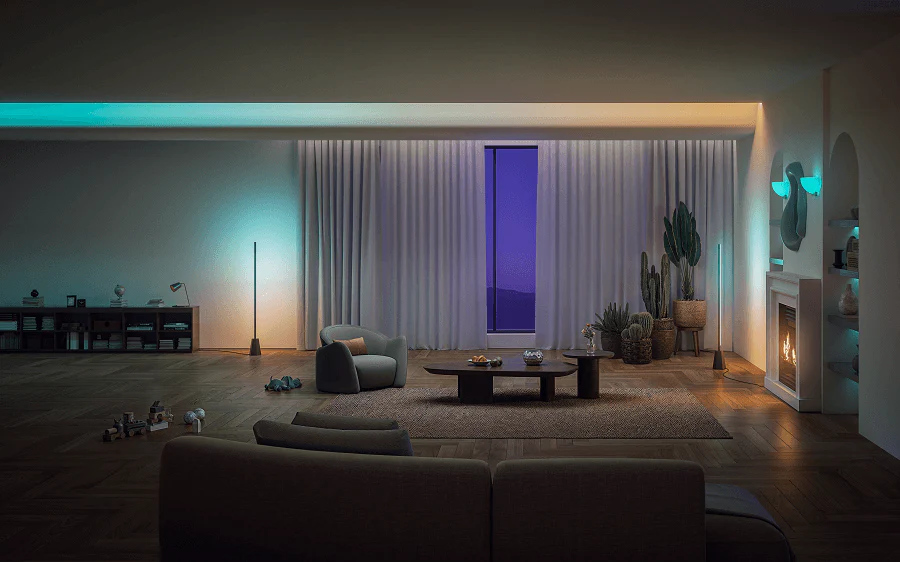
The evolution of smart lighting has been remarkable, moving from basic remote-controlled bulbs to highly integrated, intuitive systems. As connected homes become more common, the focus is shifting toward making these technologies easier to use. Smart lighting user experience trends now prioritize simplicity, accessibility, and seamless integration with daily routines. This article explores how manufacturers and designers are refining controls, interfaces, and automation to create a smoother, more enjoyable experience for everyone.
Consumers are no longer satisfied with just having the ability to turn lights on and off remotely. They expect lighting systems that anticipate their needs, require minimal effort to operate, and blend naturally into their environment. For a deeper understanding of how lighting impacts well-being and technology adoption, you can read human centric lighting explained, which covers the wellness benefits of modern lighting solutions.
Why Simplicity Matters in Connected Lighting
One of the most significant smart lighting user experience trends is the drive toward simpler, more intuitive controls. Early smart lighting systems often required users to navigate complex apps or learn new voice commands, which could be frustrating. Today, the emphasis is on reducing friction and making lighting as effortless as possible.
- Minimal learning curve: New users can quickly understand and operate their lighting without extensive setup or tutorials.
- Universal accessibility: Controls are designed to be usable by people of all ages and abilities, including those with limited mobility or vision.
- Consistency: Whether using a wall switch, app, or voice assistant, the experience remains familiar and predictable.
These improvements not only make smart lighting more appealing but also help drive widespread adoption in homes and businesses.
Key Developments in User-Friendly Lighting Controls
Recent advances in the industry have focused on making smart lighting systems more approachable. Here are some notable innovations shaping the landscape:
Touch and Tap Interfaces
Physical controls remain popular, but they are evolving. Modern smart switches and dimmers often feature touch-sensitive surfaces or capacitive buttons, allowing users to adjust brightness or color with a simple tap or swipe. These interfaces are intuitive and require no technical knowledge.
Voice Integration and Natural Language
Voice assistants like Alexa, Google Assistant, and Siri have become central to the smart home experience. Lighting systems now support natural language commands, so users can say, “Dim the living room lights to 50%,” without memorizing specific phrases. This hands-free control is especially valuable for accessibility and convenience.
Adaptive Automation
Automation is another area where simplicity is key. Instead of requiring users to set up complex schedules, many systems now offer adaptive lighting that adjusts automatically based on time of day, occupancy, or ambient light. For a closer look at how adaptive lighting works, see the smart lighting adaptive lighting guide.
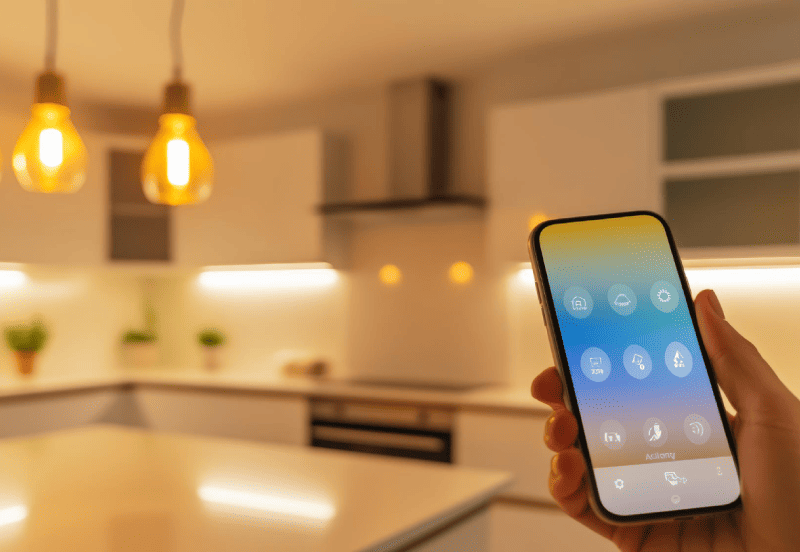
Mobile Apps: Streamlined and Intuitive
Mobile applications remain a primary interface for controlling smart lighting. However, the best apps now focus on clarity and ease of use:
- One-tap actions: Users can turn lights on/off, set scenes, or adjust brightness with a single tap.
- Visual feedback: Real-time previews and clear icons help users understand the current state of their lighting.
- Personalization: Favorite scenes and routines can be saved for quick access, reducing the need for repeated setup.
Manufacturers are also working to reduce app clutter, removing unnecessary features and focusing on the most common tasks. This approach aligns with the broader trend of making technology serve people, not the other way around.
Integration with Broader Smart Home Ecosystems
Another important aspect of smart lighting user experience trends is seamless integration with other smart devices. Lighting is increasingly coordinated with thermostats, security systems, and entertainment devices to create holistic experiences. For example, lights can dim automatically when a movie starts or turn on when a security alarm is triggered.
These integrations are made possible by common standards and open APIs, which allow devices from different manufacturers to work together. For a broader perspective on how these innovations are shaping the future, see the smart lighting innovation overview.
Accessibility and Universal Design
Making smart lighting accessible to everyone is a growing priority. Universal design principles ensure that controls are usable by people with disabilities, seniors, and children. Features like voice control, large buttons, high-contrast interfaces, and tactile feedback help remove barriers.
Some systems even offer compatibility with assistive technologies, such as screen readers or Braille displays. This commitment to inclusivity is not only ethical but also expands the market for smart lighting products.
Security, Privacy, and Trust
As lighting systems become more connected, concerns about security and privacy grow. Users want assurance that their data is protected and that devices cannot be easily hacked. Manufacturers are responding by implementing robust encryption, regular software updates, and transparent privacy policies.
For more insights into how the industry is addressing these challenges, the smart lighting industry developments article covers emerging standards and best practices.
Benefits of Enhanced User Experience
The shift toward simpler, more intuitive controls delivers several advantages:
- Greater adoption: More people are willing to try smart lighting when it’s easy to set up and use.
- Improved satisfaction: Users enjoy their lighting more when it works seamlessly and predictably.
- Energy savings: Automated and adaptive lighting reduces waste by ensuring lights are only on when needed.
- Enhanced well-being: Lighting that adapts to natural rhythms can support sleep, mood, and productivity.
For a detailed look at the benefits of connected lighting in the home, see this comprehensive guide to smart lighting benefits.
What’s Next for User Experience in Smart Lighting?
The future promises even more streamlined experiences. Artificial intelligence is being integrated to learn user preferences and automate routines without manual input. For example, lights may automatically adjust based on your presence, activity, or even emotional state. To learn how AI is shaping intelligent homes, check out the smart lighting AI integration explained resource.
Expect to see continued improvements in interoperability, voice recognition, and personalization. As these technologies mature, smart lighting will become an invisible, supportive part of everyday life—always present, but never intrusive.
FAQ
How do simpler controls improve the smart lighting experience?
Simpler controls reduce the learning curve, making it easier for anyone to use smart lighting systems. They also minimize frustration, increase accessibility, and encourage more people to adopt connected lighting in their homes or workplaces.
Are smart lighting systems secure and private?
Most modern systems use encryption and regular updates to protect user data and prevent unauthorized access. It’s important to choose reputable brands and keep devices updated to maintain security and privacy.
Can smart lighting be integrated with other smart home devices?
Yes, many smart lighting products are designed to work with other devices such as thermostats, security systems, and entertainment equipment. This integration allows for coordinated routines and a more cohesive smart home experience.