
Navigating stairs in low light can be risky, especially for children, older adults, or anyone with limited mobility. Smart lighting for stairs safety offers a practical solution to reduce the risk of accidents by providing well-timed, adaptive illumination. With the right lighting setup, you can make stairways safer, more convenient, and even more energy-efficient.
Modern smart lighting systems use sensors, automation, and wireless controls to ensure that staircases are always lit when needed—without wasting energy. Whether you’re upgrading your home for safety, accessibility, or convenience, understanding how these systems work and what features to look for can help you make the best choice for your space.
If you’re interested in expanding smart lighting beyond your staircase, you might also find value in our smart lighting for outdoor spaces guide, which covers yard and exterior safety enhancements.
Why Prioritize Staircase Illumination?
Staircases are one of the most common locations for household falls. Poor lighting is a leading factor in these accidents, especially at night or during early morning hours. By installing intelligent lighting solutions for stairs, you can:
- Reduce trip hazards by making each step clearly visible
- Increase confidence for those with limited vision or mobility
- Automate lighting so you never have to fumble for a switch in the dark
- Save energy by ensuring lights are only on when needed
These benefits are especially important for multi-generational households or homes with frequent guests.
How Smart Lighting Enhances Stair Safety
Smart lighting for stairs safety uses a combination of motion sensors, timers, and wireless controls to deliver light exactly when and where it’s needed. Here’s how these systems work to prevent accidents:
- Motion-Activated Lights: Sensors detect movement at the top or bottom of the stairs and automatically turn on the lights, ensuring immediate visibility.
- Adjustable Brightness: Many smart bulbs and fixtures allow you to set the brightness level, so you can avoid harsh glare while still illuminating every step.
- Color Temperature Control: Warmer tones at night can reduce sleep disruption, while cooler tones during the day improve alertness.
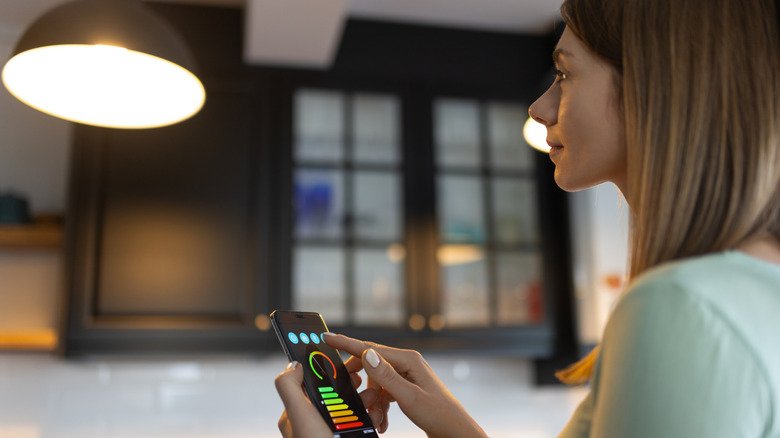
- Remote and Voice Control: Integration with smart home systems lets you control stair lighting via smartphone or voice assistant, adding convenience and accessibility.
For a deeper look at the advantages of connected lighting, see seven reasons for smart lighting from industry experts.
Key Features to Look For in Stairway Lighting Solutions
When choosing a system to improve stair safety, consider the following features:
- Reliable Motion Sensors: Look for sensors with adjustable sensitivity and range to ensure lights activate at the right time.
- Flexible Installation: Wireless and battery-powered options make it easier to retrofit existing staircases without major wiring work.
- Integration with Other Smart Devices: Compatibility with platforms like Alexa, Google Home, or Apple HomeKit allows for seamless automation alongside other smart home features.
- Energy Efficiency: LED smart bulbs use less electricity and last longer, helping to keep utility costs down.
- Customizable Schedules: Set routines for lights to turn on or off at specific times, or adjust based on occupancy patterns.
Some systems also offer safety-focused extras, such as emergency backup lighting or illuminated handrails.
Installation Tips for Safe and Effective Stair Lighting
Proper installation is crucial for maximizing the safety benefits of smart lighting. Here are some practical tips:
- Position Sensors Strategically: Place motion sensors at both the top and bottom of the staircase to ensure lights trigger regardless of direction.
- Even Light Distribution: Use multiple fixtures or LED strips to avoid shadows and dark spots on steps.
- Secure Wiring: If installing wired lights, ensure all cables are safely tucked away to prevent tripping hazards.
- Test Sensitivity: Adjust sensor settings to avoid false triggers from pets or passing traffic, but ensure reliable activation for people using the stairs.
- Consider Backup Power: For critical safety areas, choose lighting with battery backup to maintain visibility during power outages.
If you’re interested in lighting other areas for safety, our smart lighting for bathroom safety guide offers additional tips and product recommendations.
Comparing Popular Smart Lighting Products for Staircases
When selecting the right system, it’s helpful to compare leading brands and their features. Here’s a quick overview:
| Brand | Key Features | Integration | Best For |
|---|---|---|---|
| Philips Hue | Wide range of bulbs, motion sensors, color control | Alexa, Google, Apple HomeKit | Full-home automation, color ambiance |
| Kasa Smart | Affordable, easy setup, dimming, scheduling | Alexa, Google Assistant | Budget-friendly, simple automation |
| LIFX | Wi-Fi direct, bright output, no hub needed | Alexa, Google, Apple HomeKit | Quick installs, renters |
Each of these options can help you achieve safer stairs, but your choice may depend on your existing smart home setup, budget, and desired features.
Integrating Stair Lighting with Whole-Home Automation
For the best results, consider how your stairway lighting will work with other smart devices. Linking your stair lights to hallway, kitchen, or bathroom lighting can create seamless transitions and further reduce the risk of accidents. Explore our smart lighting for hallway automation resource for ideas on connecting multiple zones.
You can also set up routines, such as having stair lights turn on automatically when you arrive home after dark or dimming them late at night to avoid disturbing others.
Maintenance and Troubleshooting Tips
To keep your smart stair lighting working reliably:
- Check batteries in wireless sensors and bulbs regularly
- Update firmware for smart devices to ensure compatibility and security
- Clean sensors and fixtures to prevent dust from interfering with detection
- Test automation routines after any changes to your smart home setup
If you experience issues, most manufacturers offer troubleshooting guides and customer support to help resolve connectivity or activation problems.
FAQ
Can smart lighting be installed on any staircase?
Yes, most smart lighting solutions are designed for flexible installation. Wireless and battery-powered options make it easy to add safety lighting to almost any staircase, even in older homes or rental properties.
How do motion sensors know when to turn on the lights?
Motion sensors use infrared or microwave technology to detect movement within a set range. When someone approaches the stairs, the sensor signals the lights to turn on. Sensitivity and range can often be adjusted to suit your space.
Are smart stair lights energy efficient?
Absolutely. Most smart stairway lights use LED technology, which consumes less power than traditional bulbs. Automation ensures lights are only on when needed, further reducing energy use.
Can I control stair lighting with my phone or voice?
Yes, many smart lighting systems integrate with smartphone apps and voice assistants like Alexa or Google Assistant, allowing for remote control and automation.
Upgrading your stairs with smart lighting for stairs safety is a practical way to prevent accidents and make your home more comfortable for everyone. With the right products and setup, you can enjoy peace of mind and modern convenience every time you use the stairs.