Hallways are often overlooked when it comes to home automation, yet they play a crucial role in daily routines. Navigating a dark corridor at night or while carrying groceries can be inconvenient and even unsafe. Smart lighting for hallway automation offers a practical solution, providing hands-free illumination exactly when and where it’s needed. With advancements in connected lighting, homeowners can now enjoy seamless transitions, enhanced safety, and energy savings—all without flipping a switch.
This guide explores how automated lighting transforms corridors, from motion-activated bulbs to fully integrated smart home systems. Whether you’re upgrading a single fixture or planning a comprehensive setup, you’ll find actionable advice, product recommendations, and expert tips to help you create a brighter, safer, and more efficient home environment.
For those interested in expanding automation beyond corridors, check out our smart lighting for outdoor spaces guide for ideas on enhancing your yard and exterior pathways.
Why Automate Hallway Lighting?
Automating corridor lights is about more than just convenience. It’s a step toward a safer, more energy-efficient, and user-friendly home. Here are some of the key benefits:
- Hands-Free Operation: Motion sensors detect movement, turning lights on automatically as you enter and off when you leave.
- Enhanced Safety: No more fumbling for switches in the dark, reducing the risk of trips and falls—especially important for children, seniors, or guests.
- Energy Savings: Lights only operate when needed, helping to lower electricity bills and reduce environmental impact.
- Customizable Ambiance: Adjust brightness, color temperature, and schedules to suit different times of day or activities.
For a deeper dive into the advantages, see this comprehensive overview of smart lighting benefits.
Key Features of Smart Lighting for Hallway Automation
Modern smart lighting systems offer a range of features tailored for corridor use. When selecting products or planning your setup, consider the following:
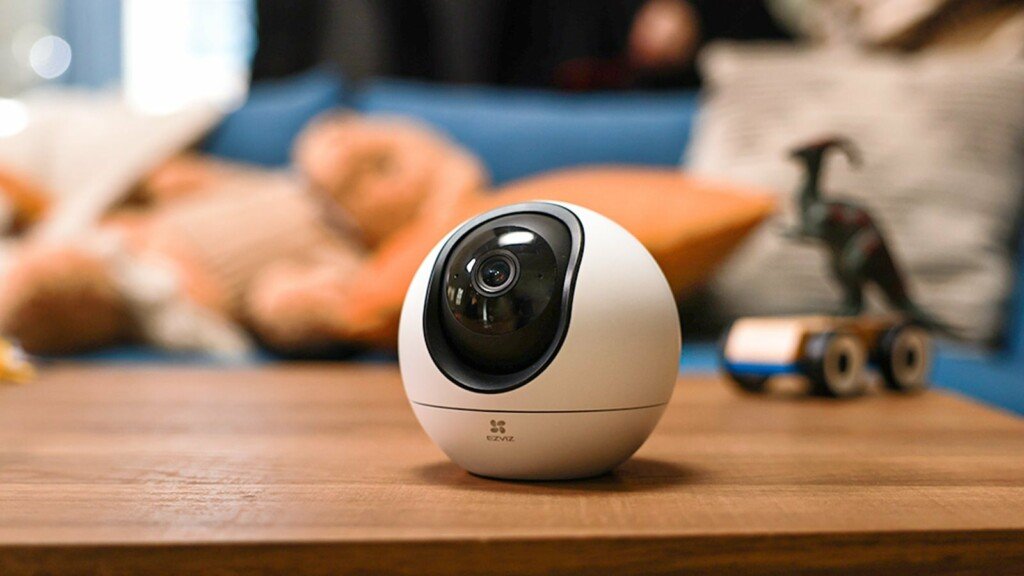
- Motion and Occupancy Sensors: These are the backbone of automated hallway lighting. They detect movement and trigger lights accordingly, ensuring illumination only when needed.
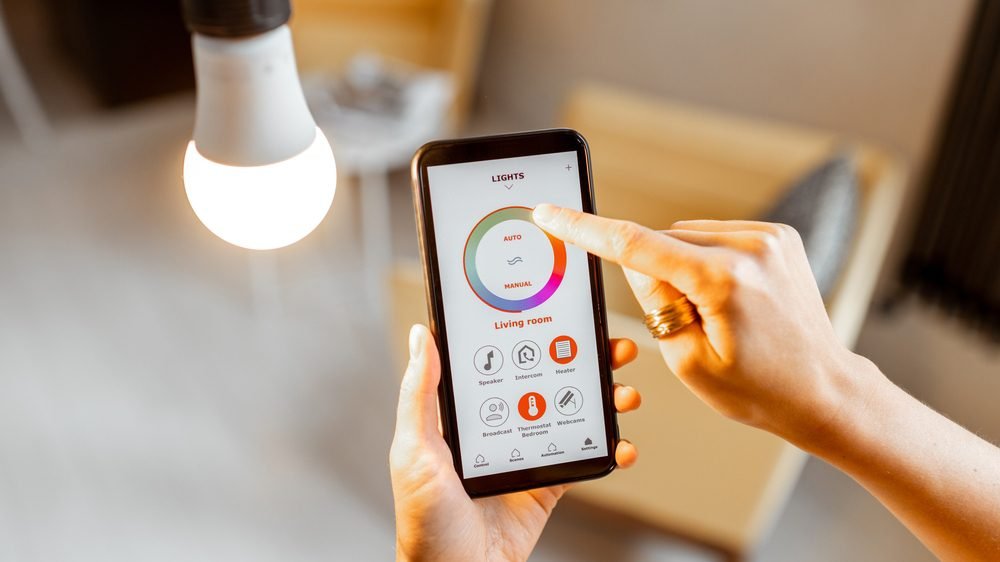
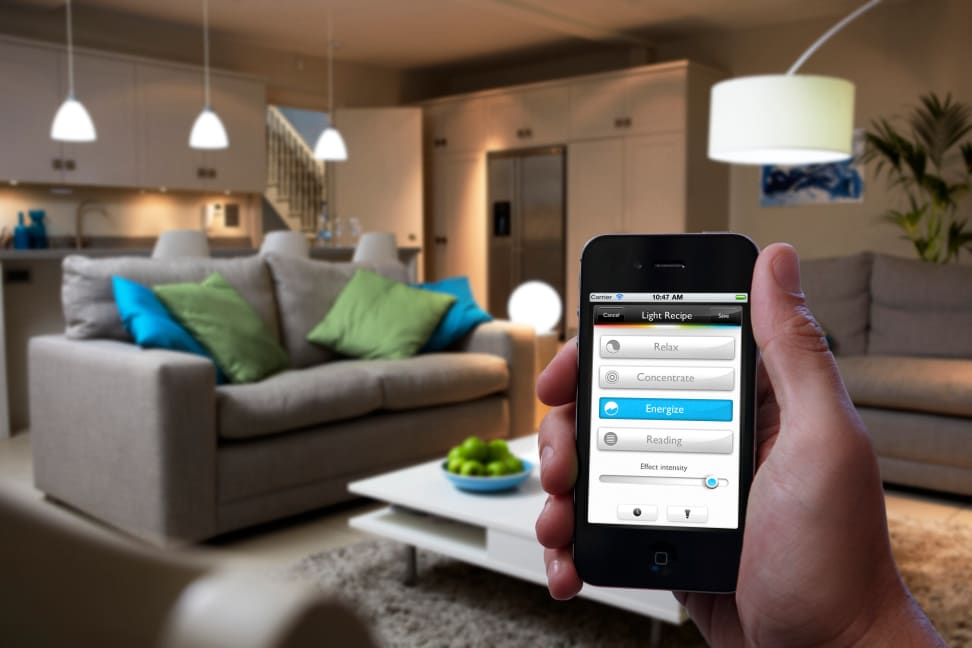
- Wireless Control: Use your smartphone, voice assistants, or wall-mounted remotes to adjust settings, schedules, and scenes.
- Integration with Smart Home Platforms: Compatibility with systems like Alexa, Google Home, or Apple HomeKit allows for more advanced automation and voice control.
- Dimming and Color Options: Set soft, low-level lighting for nighttime or brighter settings for daytime activity.
- Scheduling: Program lights to turn on or off at specific times, or sync with sunrise and sunset.
Choosing the Right Devices for Corridor Automation
Selecting the best products for your hallway depends on your home’s layout, existing infrastructure, and personal preferences. Here are some popular options:
- Smart Bulbs: Easy to install and compatible with most fixtures, these bulbs offer wireless control, scheduling, and color adjustment.
- Smart Switches: Replace traditional switches to add automation to existing lights, often with support for three-way circuits common in corridors.
- Motion Sensors: Standalone or integrated with bulbs/switches, these sensors are essential for hands-free operation.
- Starter Kits: Bundles like the Philips Hue Starter Kit provide bulbs, a hub, and sometimes sensors for a turnkey solution.
When comparing products, look for compatibility with your preferred smart home ecosystem and consider future expansion to other rooms. For more room-specific advice, our smart lighting for kitchen guide offers insights into task and mood illumination.
Installation and Setup Tips
Getting started with automated corridor lighting is straightforward, even for beginners. Follow these steps for a smooth installation:
- Assess Your Space: Measure your hallway and identify the best locations for lights and sensors. Corners and entry points are ideal for motion detection.
- Choose Your Products: Decide between bulbs, switches, or a combination. Starter kits are great for first-time users.
- Install Devices: Replace existing bulbs or switches with smart alternatives. Most require only basic DIY skills and a screwdriver.
- Connect to Wi-Fi or Hub: Follow manufacturer instructions to pair devices with your home network or smart hub.
- Configure Automation: Use the app to set up motion triggers, schedules, and scenes. Test the system to ensure reliable activation and deactivation.
If you’re aiming for maximum efficiency, our energy efficient lighting automation tips can help you fine-tune your setup for lower utility costs.
Best Practices for Reliable Corridor Automation
To ensure your automated hallway lighting works flawlessly, keep these best practices in mind:
- Sensor Placement: Mount sensors at a height and angle that captures typical movement but avoids false triggers from pets or open doors.
- Adjust Sensitivity: Fine-tune detection settings to balance responsiveness and avoid unnecessary activations.
- Set Timeouts: Configure lights to turn off after a short period of inactivity to maximize energy savings.
- Integrate with Other Devices: Link corridor lights with security systems or door sensors for added functionality.
- Regular Maintenance: Check batteries in wireless sensors and update firmware for optimal performance.
If you’re interested in how smart lighting impacts sustainability, our smart lighting environmental impact article covers how technology can help you go green.
Expanding Automation Beyond the Hallway
Once you experience the convenience of automated corridor lighting, consider extending similar solutions to other parts of your home. Living rooms, bedrooms, kitchens, and outdoor areas can all benefit from intelligent illumination. For those working from home, our smart lighting for home office productivity resource explains how tailored lighting can boost focus and comfort.
By integrating lighting automation throughout your living spaces, you create a cohesive, responsive environment that adapts to your lifestyle and enhances overall well-being.
FAQ
How do motion-activated lights work in a hallway?
Motion-activated lights use sensors to detect movement within a certain range. When someone enters the corridor, the sensor triggers the light to turn on automatically. After a set period of inactivity, the light switches off, ensuring illumination only when needed and saving energy.
Can I install smart lighting in my hallway without rewiring?
Yes, many smart bulbs and battery-powered motion sensors require no rewiring. Simply replace your existing bulbs with smart versions and place sensors in strategic locations. For more advanced features, such as smart switches, some basic wiring may be needed, but most installations are DIY-friendly.
What are the main benefits of automating corridor lighting?
Automating corridor lighting improves safety, convenience, and energy efficiency. It eliminates the need to search for switches in the dark, reduces the risk of accidents, and ensures lights are only on when necessary. Additional benefits include customizable brightness, integration with other smart devices, and the ability to control settings remotely.