Outdoor security is a top priority for homeowners, and advancements in smart lighting technology have made it easier than ever to protect your property. By integrating intelligent lighting solutions, you can deter intruders, enhance visibility, and create a safer environment for your family and guests. This guide explores practical smart lighting outdoor security tips that help you maximize safety around your home’s exterior.
Smart lights offer more than just convenience—they provide proactive measures to keep your property secure. From motion-activated floodlights to automated schedules and remote controls, these systems can be tailored to fit any home or yard. If you’re interested in learning about additional ways smart lighting can improve safety, you may also want to read the smart lighting safety advantages guide for a deeper dive into the benefits beyond simple illumination.
Why Choose Smart Lighting for Outdoor Security?
Smart lighting systems are designed to provide both flexibility and enhanced protection. Unlike traditional outdoor lights, these solutions can be automated, controlled remotely, and integrated with other security devices. Here’s why they stand out:
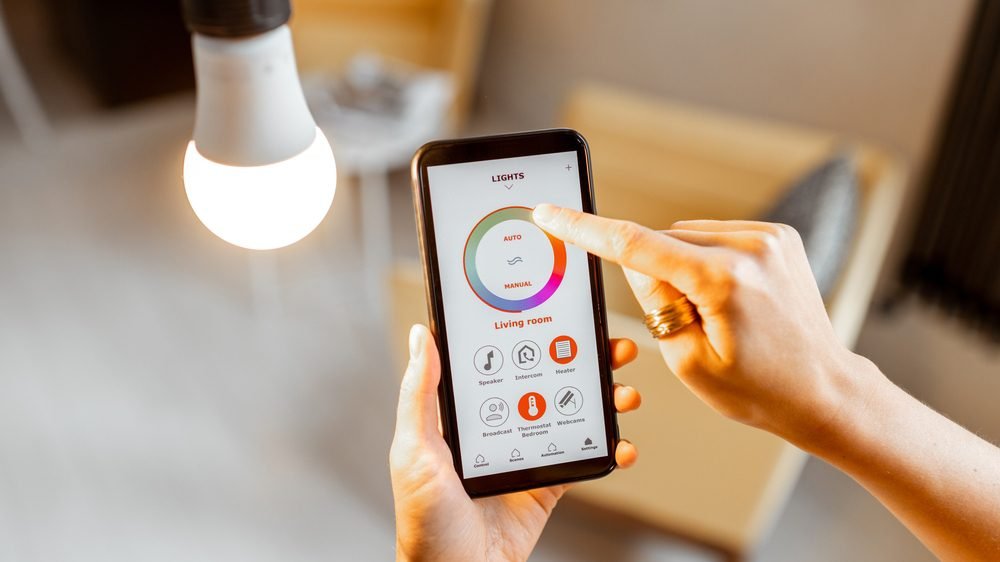
- Remote Access: Control your lights from anywhere using your smartphone, ensuring your home is never left in the dark.
- Automation: Set schedules or use sensors so lights turn on and off automatically, simulating occupancy even when you’re away.
- Integration: Connect with cameras, alarms, and other smart devices for a comprehensive security system.
- Energy Efficiency: LED smart bulbs use less energy, saving money while keeping your property well-lit.
For more on the broader benefits of intelligent lighting, see this overview of smart lighting advantages for homes and businesses.
Key Smart Lighting Outdoor Security Tips
To get the most out of your system, consider these essential strategies for outdoor safety:
1. Use Motion-Activated Lights
Motion sensors are one of the most effective deterrents against unwanted visitors. When movement is detected, lights instantly illuminate the area, startling potential intruders and alerting you to activity. Place motion-activated lights near entryways, driveways, and dark corners around your property.
2. Automate Lighting Schedules
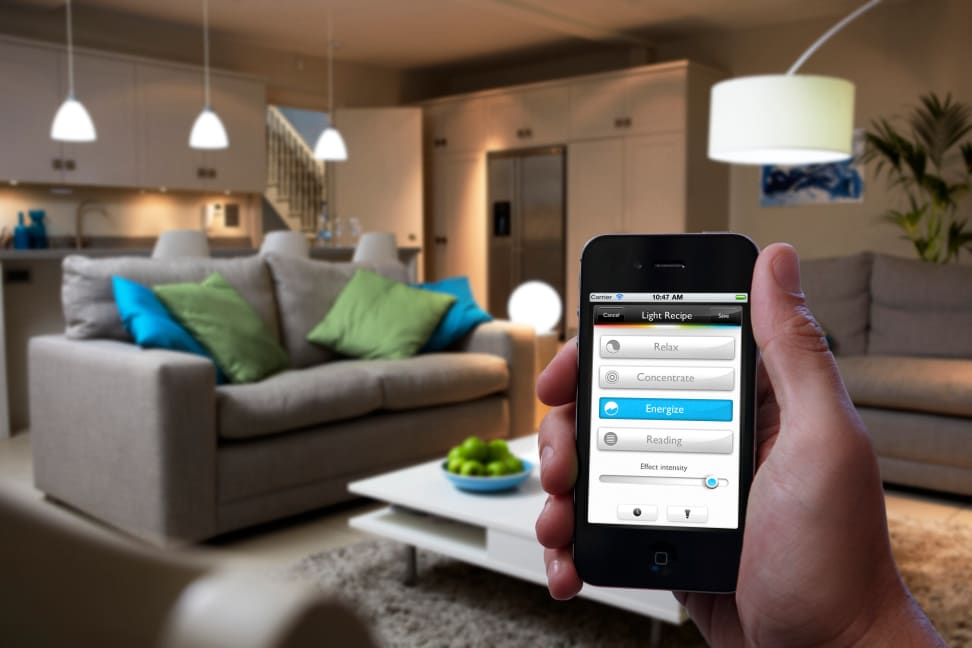
Program your outdoor lights to turn on at sunset and off at sunrise, or set custom schedules based on your routine. Automation ensures your home always appears occupied, which can discourage break-ins. Many smart lighting systems allow you to adjust schedules remotely if your plans change.
For those interested in using lighting to mimic presence, the smart lighting presence simulation guide offers practical advice for making your home look lived-in even when you’re away.
3. Layer Lighting for Complete Coverage
Effective security lighting uses a combination of fixtures to eliminate dark spots. Combine wall-mounted lights, path lights, and floodlights to cover all vulnerable areas. Layered lighting not only improves security but also enhances curb appeal and safety for guests navigating your property at night.
Advanced Features for Enhanced Safety
Modern smart lighting systems offer advanced features that go beyond basic illumination. Here are some options to consider for a robust outdoor security setup:
Color-Changing and Dimmable Options
Some smart bulbs allow you to adjust brightness and color temperature. Brighter, cooler lights can be used for security, while warmer tones create a welcoming atmosphere for guests. Dimming features also help save energy during off-peak hours.
If you’re curious about the psychological effects of color, the smart lighting color psychology guide explores how different hues can influence mood and perception.
Integration with Other Smart Devices
Link your outdoor lighting with security cameras, alarms, or voice assistants for seamless operation. For example, lights can be set to flash if a security camera detects motion, or you can use voice commands to activate lighting scenes when you hear a noise outside.

Remote Monitoring and Control
With mobile apps, you can check the status of your lights, receive alerts, and adjust settings from anywhere. This is especially useful if you travel frequently or want to respond quickly to unexpected activity around your home.
Best Practices for Installing Outdoor Smart Lights
Proper installation is key to maximizing the effectiveness of your outdoor lighting system. Here are some best practices:
- Position Lights Strategically: Focus on entry points, pathways, garages, and areas with limited visibility.
- Avoid Glare: Angle fixtures downward or use shields to prevent blinding passersby or drivers.
- Weatherproofing: Choose fixtures rated for outdoor use to withstand rain, snow, and temperature changes.
- Regular Maintenance: Clean lenses and check for burnt-out bulbs to ensure consistent performance.
For additional guidance on creating safe nighttime pathways, see the smart lighting for night lighting guide for tips on illuminating walkways and driveways.
Common Mistakes to Avoid
Even the best smart lighting system can fall short if not used correctly. Avoid these common pitfalls:
- Relying on a single fixture for large areas, which can leave blind spots.
- Forgetting to update schedules for seasonal changes in daylight hours.
- Neglecting to secure your smart lighting network with strong passwords and regular firmware updates.
- Overlooking the importance of color temperature and brightness for different zones.
Frequently Asked Questions
How do smart outdoor lights improve home security?
Smart outdoor lights deter intruders by illuminating dark areas and responding to motion. They can be automated to simulate occupancy, integrated with security cameras, and controlled remotely, making it harder for potential intruders to approach unnoticed.
Are smart lights difficult to install outdoors?
Most smart outdoor lights are designed for easy installation and can often be retrofitted into existing fixtures. Wireless options are especially straightforward, requiring minimal wiring. Always ensure the lights are rated for outdoor use and follow manufacturer instructions for best results.
Can I control smart outdoor lights when I’m not at home?
Yes, most systems offer remote access via smartphone apps. This allows you to turn lights on or off, adjust schedules, and receive alerts about activity, no matter where you are.
Conclusion
Implementing these smart lighting outdoor security tips can significantly improve the safety and peace of mind for any homeowner. By combining motion sensors, automation, layered lighting, and integration with other smart devices, you create a proactive defense against threats. Remember to install fixtures strategically, maintain your system, and take advantage of advanced features for the best results. Smart lighting is a practical investment that not only enhances security but also adds value and convenience to your home.