Lighting does more than just illuminate a space—it shapes how we feel, think, and interact in our environments. With the rise of smart lighting, homeowners now have unprecedented control over the colors and intensity of their lights, allowing them to tailor their surroundings to support relaxation, focus, or creativity. This smart lighting color psychology guide explores how different hues can impact your mood and how to use these insights to transform your home or workspace.
Understanding the psychological effects of color and leveraging smart lighting technology can help you create the right atmosphere for every activity. Whether you want to energize your mornings, wind down in the evening, or set the perfect ambiance for entertaining, the right lighting choices make a noticeable difference.
For those interested in exploring decorative effects and practical tips, smart lighting ambiance tips offer additional ways to enhance your space with light.
How Color Influences Mood and Behavior
Color psychology studies how different shades can evoke emotional and physiological responses. When applied to lighting, these effects become even more pronounced, as the quality and color of light directly interact with our senses. Smart bulbs and fixtures allow you to adjust color temperature and hue, making it easy to experiment and find what works best for your needs.
- Warm colors (reds, oranges, yellows) are often associated with energy, warmth, and comfort.
- Cool colors (blues, greens, purples) tend to promote calmness, focus, and relaxation.
- Neutral tones (whites, grays) can be used to create a balanced, versatile environment.
By understanding these associations, you can use smart lighting to support your daily routines and emotional well-being.
Key Colors and Their Psychological Effects in Smart Lighting
Let’s break down how specific colors can influence your mood and how to use them effectively with smart lighting systems:
Red: Energize and Stimulate
Red lighting is invigorating and attention-grabbing. It can increase heart rate and create a sense of excitement or urgency. Use red hues sparingly in areas where you want to boost energy, such as home gyms or creative studios. However, avoid using red in bedrooms or relaxation zones, as it may be too stimulating for winding down.
Blue: Calm and Focus
Blue is known for its calming properties. It can help reduce stress and promote concentration, making it ideal for offices, study areas, or bedrooms. Smart lighting systems allow you to adjust the intensity of blue light, helping you find the perfect balance between alertness and relaxation. For more on customizing your setup, see this smart lighting color changing guide.
Green: Balance and Refresh
Green lighting is associated with nature, renewal, and tranquility. It’s a great choice for living rooms, meditation spaces, or anywhere you want to foster a sense of harmony. Green can also reduce eye strain, making it suitable for reading nooks or workspaces.
Yellow: Cheerful and Inviting
Yellow hues evoke feelings of happiness and optimism. Use yellow lighting in kitchens, dining areas, or entryways to create a welcoming atmosphere. Be mindful of the intensity, as overly bright yellow can become overwhelming.
Purple: Creativity and Luxury
Purple lighting can inspire creativity and add a touch of sophistication to your space. It’s often used in lounges, entertainment rooms, or artistic studios. Experiment with different shades to find what feels most inspiring to you.
White and Neutral Tones: Versatility and Clarity
Adjustable white lighting lets you switch between warm and cool tones throughout the day. Warm white is cozy and relaxing, perfect for evenings, while cool white supports alertness and productivity during daytime hours. Modern smart bulbs allow seamless transitions between these settings.
Practical Applications: Using Smart Lighting for Mood Management
With smart lighting, you can schedule color changes, set scenes, and automate transitions to support your lifestyle. Here are some practical ways to use color psychology in your daily routine:
- Morning routines: Start your day with cool white or soft blue to boost alertness and help you wake up naturally.
- Work and study: Use blue or green tones to enhance focus and reduce stress during tasks that require concentration.
- Relaxation: Switch to warm white, amber, or soft purple in the evening to signal your body that it’s time to unwind.
- Entertaining: Experiment with vibrant colors like red, purple, or yellow to create a lively, engaging atmosphere for guests.
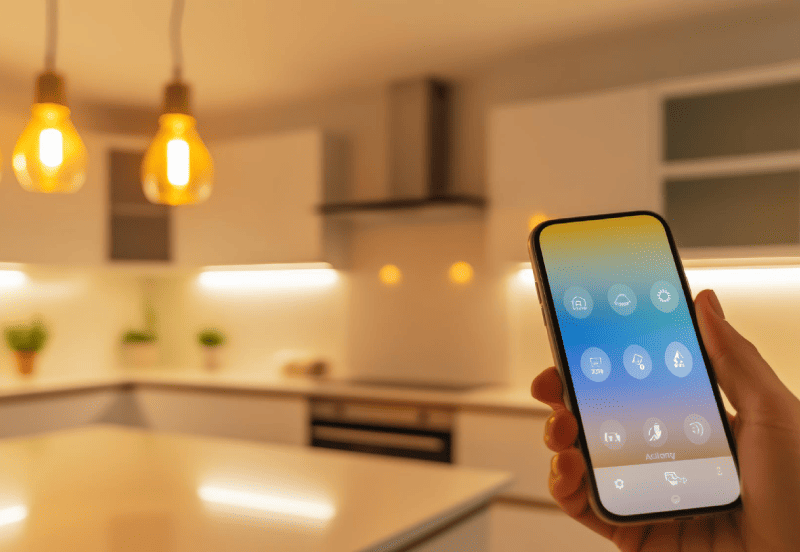
Many smart lighting systems integrate with voice assistants and mobile apps, making it easy to adjust settings on the fly or automate them based on time of day or activity.
Choosing the Right Smart Lighting Products
When selecting smart lighting solutions, consider features like color range, compatibility with your existing smart home ecosystem, and ease of use. Leading brands such as Philips Hue and Kasa offer a wide variety of bulbs and fixtures that support millions of color options and customizable scenes.
For those interested in maximizing flexibility, look for bulbs that support both RGB and tunable white. This allows you to shift from energizing daylight to cozy warm tones with a single tap. If you’re curious about the differences between white and RGB bulbs, the smart lighting white vs rgb explained resource provides a helpful breakdown.
Smart lighting can also contribute to energy savings and convenience. For a deeper look at the advantages, see this overview of smart lighting benefits.
Tips for Getting the Most Out of Your Smart Lighting
- Experiment with scenes: Most smart lighting apps offer preset scenes based on color psychology principles. Try different combinations to see what suits your mood and activities.
- Automate for convenience: Set schedules so your lights adjust automatically throughout the day, supporting your natural rhythms.
- Layer your lighting: Combine overhead lights with lamps and accent lighting to create depth and flexibility in your space.
- Adjust brightness: Dimming features help fine-tune the intensity of each color, making it easier to achieve the desired effect. For more on this, check out the smart lighting brightness levels guide.
- Consider placement: The location of your smart bulbs or fixtures can influence how color is perceived. Use indirect lighting for a softer effect, or direct lighting for more intensity.
Frequently Asked Questions
How does smart lighting differ from traditional lighting in affecting mood?
Smart lighting allows you to adjust both color and brightness with precision, making it easier to match your lighting to your mood or activity. Traditional lighting typically offers only fixed color temperatures and limited dimming options, whereas smart systems provide dynamic control and automation features.
Can changing light colors really improve sleep or productivity?
Yes, research suggests that exposure to certain colors and color temperatures at specific times can support better sleep and enhance productivity. For example, cooler tones in the morning can help you feel more alert, while warmer tones in the evening signal your body to relax and prepare for rest.
Are there any drawbacks to using colored lighting at home?
While colored lighting can be beneficial, overuse or inappropriate color choices (such as bright red in a bedroom) may cause discomfort or disrupt sleep patterns. It’s important to use color psychology principles thoughtfully and to adjust settings based on your personal preferences and needs.
How do I choose between RGB and white smart bulbs?
RGB bulbs offer a full spectrum of colors, ideal for those who want maximum flexibility and creativity. White bulbs (often tunable between warm and cool) are great for everyday use and can be more affordable. Many users combine both types for different rooms or purposes. For a detailed comparison, see the white vs RGB smart lighting guide.
Conclusion
Smart lighting empowers you to shape your environment and influence your mood with the touch of a button or a simple voice command. By understanding how different colors affect your emotions and energy levels, you can create spaces that support your well-being and daily routines. Whether you’re seeking relaxation, focus, or inspiration, smart lighting puts the power of color psychology at your fingertips.