Smart lighting technology is rapidly transforming how we illuminate our homes and workplaces. By integrating intelligent controls, wireless connectivity, and automation, these systems offer far more than just turning lights on and off. They provide enhanced energy efficiency, convenience, and even contribute to improved well-being. This guide delivers a comprehensive look at the fundamentals of connected lighting, the latest developments, and practical considerations for anyone interested in upgrading their environment.
For those seeking a deeper dive into the technical aspects or step-by-step setup, the smart lighting system guide is a valuable resource. It covers everything from choosing compatible devices to optimizing your setup for maximum benefit.
What Is Smart Lighting and How Does It Work?
At its core, smart lighting refers to lighting systems that can be controlled remotely or automatically through various means such as smartphone apps, voice assistants, sensors, or schedules. Unlike traditional bulbs and switches, these solutions use technologies like Wi-Fi, Zigbee, Z-Wave, or Bluetooth to communicate with hubs and controllers.
Key features include:
- Remote control via mobile devices or web interfaces
- Integration with smart home platforms (Google Home, Amazon Alexa, Apple HomeKit)
- Automation based on occupancy, time of day, or ambient light
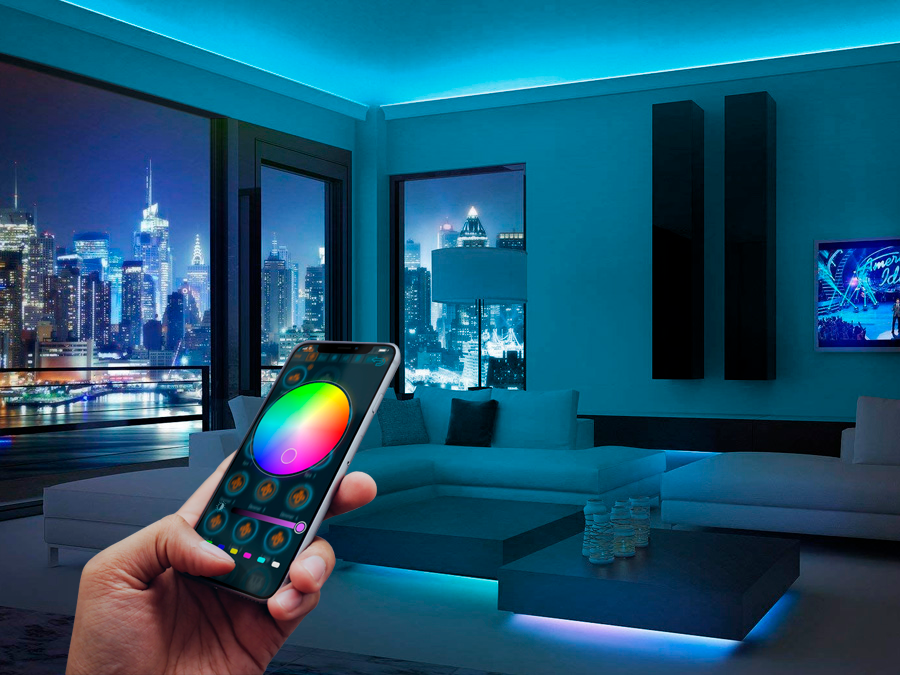
- Customizable color temperature and brightness
- Energy monitoring and optimization
To understand the underlying mechanisms, you can explore how smart lighting works, which details the protocols and device interactions that make these systems possible.
Key Components of Modern Connected Lighting
A typical smart lighting setup consists of several essential elements:
- Smart bulbs: LED-based lights with built-in wireless chips for direct communication.
- Smart switches and dimmers: Wall-mounted controls that replace traditional switches and can be managed remotely.
- Hubs and bridges: Central devices that coordinate communication between lights and other smart home products.
- Sensors: Devices that detect motion, occupancy, or ambient light to trigger automation.
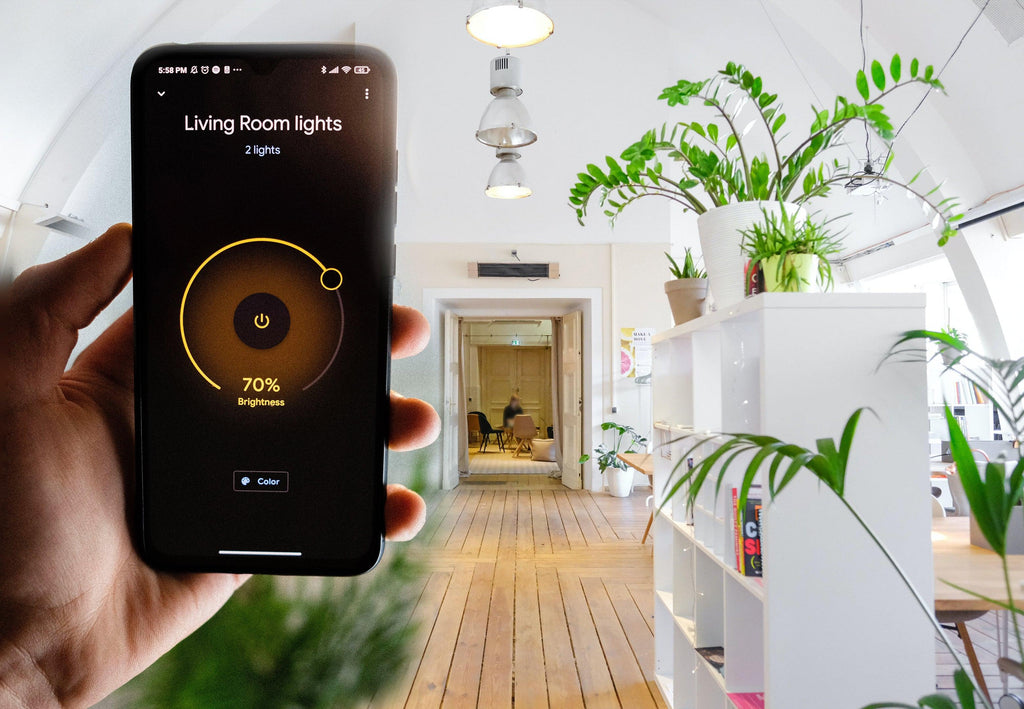
- Control apps: Software for smartphones or tablets to manage scenes, schedules, and device settings.
The flexibility of these components allows for tailored solutions, from simple room upgrades to whole-house automation.
Emerging Trends in Smart Lighting Technology
The landscape of intelligent lighting is evolving quickly. Here are some of the most notable trends shaping the future:
- Voice and AI integration: Increasingly, lighting can be controlled by voice commands or automated using artificial intelligence. This enables adaptive lighting that responds to user habits and preferences.
- Human-centric lighting: Systems are being designed to mimic natural daylight cycles, supporting circadian rhythms and enhancing comfort and productivity.
- Energy efficiency and sustainability: Modern solutions focus on reducing power consumption through advanced sensors, scheduling, and integration with energy management platforms. For more on this, see AI home automation for energy storage.
- Interoperability: The adoption of standards like Matter is making it easier for devices from different brands to work together seamlessly.
- Enhanced security: With more devices connected to home networks, manufacturers are prioritizing secure communication and privacy controls.
For those considering an upgrade, this guide to upgrading to smart lighting provides practical advice on choosing the right products and ensuring compatibility.
Benefits of Adopting Intelligent Lighting Solutions
Switching to a connected lighting system offers a range of advantages:
- Convenience: Control lights from anywhere, set schedules, and automate routines for daily comfort.
- Energy savings: Reduce electricity bills by dimming lights, turning them off automatically, or optimizing usage based on occupancy.
- Customization: Adjust color, brightness, and scenes to match activities or moods.
- Security: Use lighting schedules or remote control to make your home appear occupied when you’re away.
- Accessibility: Voice and app controls make lighting easier for people with mobility challenges.
If you want to learn more about how these systems operate and their impact on daily life, the complete guide to modern tech offers further insights.
Considerations Before Installing a Connected Lighting System
Before making the switch, it’s important to evaluate several factors:
- Compatibility: Ensure your chosen devices work with your existing smart home ecosystem and preferred voice assistants.
- Network requirements: Some systems require a robust Wi-Fi network or a dedicated hub for optimal performance.
- Installation: While many smart bulbs are plug-and-play, smart switches or advanced sensors may require professional installation.
- Privacy and security: Look for products with strong encryption and regular firmware updates to protect your data.
- Budget: Costs can vary widely depending on the scale of your upgrade and the features you want.
For those interested in broader home automation, exploring AI home automation programming basics can help you understand how lighting fits into a larger smart home strategy.
Integrating Smart Lighting With Other Home Technologies
One of the strengths of modern lighting systems is their ability to work alongside other smart devices. By connecting with thermostats, security cameras, and voice assistants, you can create powerful automations. For example, lights can turn on when you arrive home, dim in sync with your TV, or flash in response to security alerts.
Mesh networking is another innovation that improves reliability and coverage. To learn more about this, see the AI mesh networks for homes guide.
Frequently Asked Questions
What are the main benefits of switching to smart lighting?
The primary advantages include increased convenience, energy savings, customization of lighting scenes, enhanced security, and improved accessibility. These systems also support automation and integration with other smart home devices.
Do I need a hub for my smart lights to work?
Not all systems require a hub. Some smart bulbs connect directly to Wi-Fi or Bluetooth, while others (like Zigbee or Z-Wave devices) need a central hub or bridge. Check the product specifications to determine compatibility with your setup.
Can smart lighting help reduce energy consumption?
Yes, intelligent lighting can significantly lower energy use by enabling automation, occupancy-based control, dimming, and scheduling. Many systems also provide usage reports to help you optimize your consumption.
Conclusion
The world of connected lighting is advancing quickly, offering homeowners and businesses new ways to enhance comfort, efficiency, and security. By understanding the basics, staying informed about trends, and carefully planning your upgrade, you can enjoy all the benefits this technology has to offer. Whether you’re starting with a single smart bulb or planning a full-scale automation project, the right approach can transform your environment and simplify daily life.