The rapid growth of artificial intelligence has brought a new wave of smart devices into our homes and workplaces. Many of these innovative products depend on a stable internet connection for their most advanced features. If you’re wondering what AI gadgets require WiFi and how connectivity impacts their performance, this guide offers a clear overview of the most common types, their benefits, and what to consider before making a purchase.
From voice assistants to smart thermostats, AI-powered devices are transforming daily routines. However, their reliance on WiFi is not always obvious until you try to use them offline. Understanding which products need constant connectivity can help you make informed decisions and get the most value from your investment.
For those interested in the broader impact of smart technology, you may also want to explore AI green smart homes with AI technology, which highlights how connected devices can contribute to energy efficiency and sustainability.
Why Many AI Devices Depend on WiFi
Most modern AI gadgets process large amounts of data, interact with cloud-based services, and require real-time updates. WiFi enables these devices to connect to remote servers, access advanced algorithms, and deliver up-to-date information. Without a reliable internet connection, many features—such as voice recognition, remote monitoring, and automation—may be limited or unavailable.
- Cloud Processing: Many smart devices rely on cloud servers for complex computations, which are too demanding for onboard hardware.
- Real-Time Updates: Firmware updates, new features, and security patches are delivered over the internet.
- Remote Control: WiFi allows users to manage devices from anywhere using mobile apps or web interfaces.
Popular AI Gadgets That Need WiFi Connectivity
If you’re researching what AI gadgets require WiFi, here are some of the most common categories and examples:
Smart Speakers and Voice Assistants
Devices like Amazon Echo, Google Nest Audio, and Apple HomePod depend on WiFi to process voice commands, stream music, and connect with other smart home products. When offline, these speakers lose most of their functionality, including the ability to answer questions or control other devices.

Smart Thermostats and Climate Control Devices
Products like the Google Nest Thermostat and Ecobee SmartThermostat use WiFi to learn your preferences, adjust temperatures remotely, and integrate with other smart home platforms. These devices often rely on AI algorithms hosted in the cloud to optimize energy usage and provide recommendations.
For students and hobbyists, AI smart home project ideas can provide inspiration for building connected systems that leverage WiFi for automation and control.
Leak Detectors and Home Monitoring Sensors
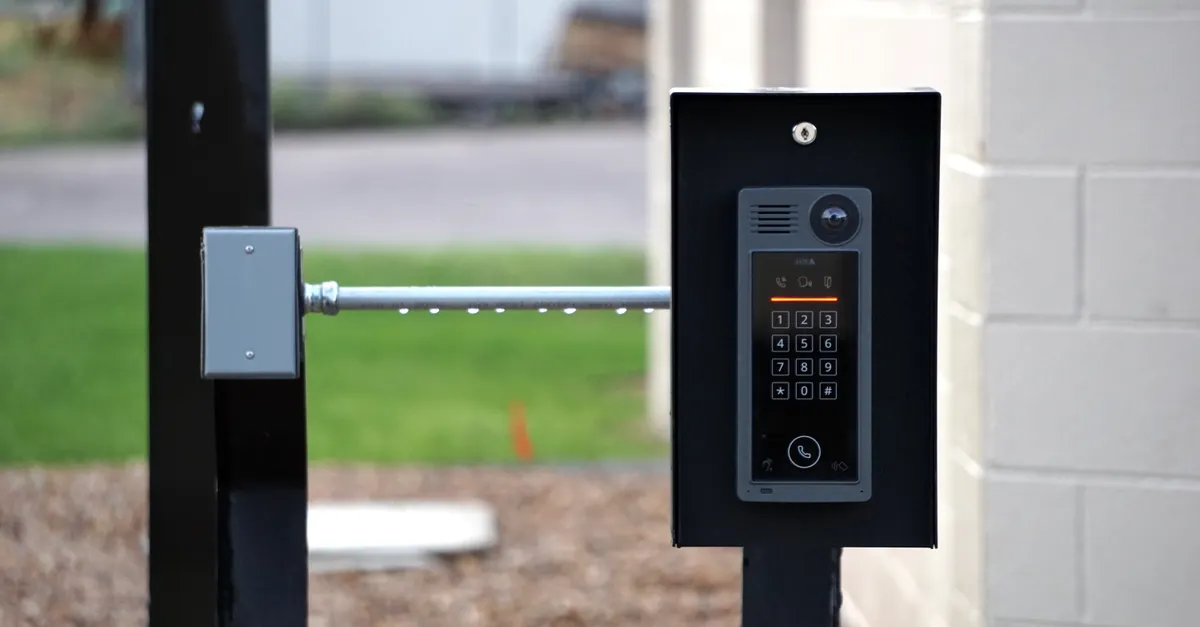
AI-powered leak detectors, smoke alarms, and security sensors typically require a constant internet connection to send alerts, analyze sensor data, and communicate with your smartphone. Without WiFi, these devices may still detect issues locally but cannot notify you remotely or access advanced analytics.

Security Cameras and Remote Monitoring
Many AI-enabled security cameras and monitoring systems use WiFi to stream live video, store footage in the cloud, and send instant notifications. Features like facial recognition, motion detection, and package tracking often depend on cloud-based AI services.
If you want to learn more about how these systems work, AI remote home monitoring offers a detailed explanation of the technology behind smart surveillance.
Other AI Devices That Rely on Internet Access
The list of AI gadgets that need WiFi continues to grow as new products enter the market. Here are a few more examples:
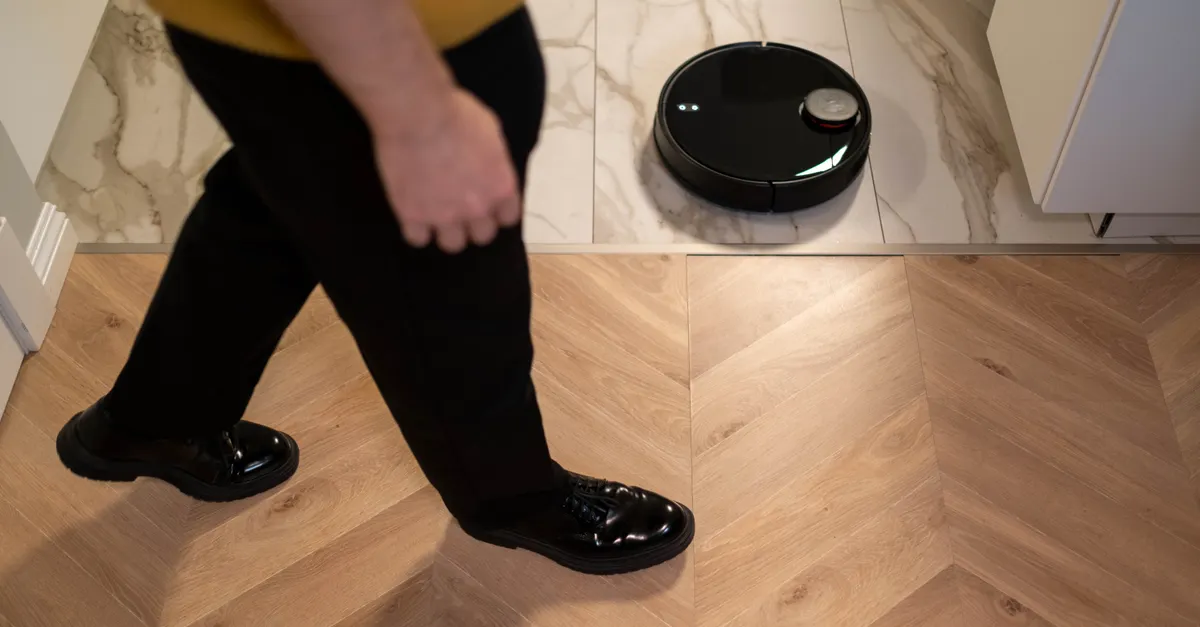
- Robot Vacuums: Models like iRobot Roomba and Roborock use WiFi to receive cleaning schedules, map updates, and software improvements.
- Smart Appliances: Refrigerators, ovens, and washing machines with AI features often require connectivity for remote control and diagnostics.
- Wearables: Some advanced fitness trackers and smartwatches use WiFi to sync data, access AI-driven health insights, and receive notifications.
- Energy Management Systems: AI battery management systems for homes, such as those described in AI battery management systems for homes, depend on internet connectivity for real-time monitoring and optimization.
Benefits and Considerations of WiFi-Dependent AI Gadgets
Choosing AI-powered devices that require WiFi offers several advantages, but also comes with some important considerations:
- Enhanced Features: Access to cloud-based AI enables more accurate predictions, smarter automation, and integration with other services.
- Remote Access: Control and monitor your devices from anywhere, improving convenience and peace of mind.
- Continuous Improvement: Receive regular updates that add new capabilities and improve security.
- Potential Drawbacks: Without WiFi, many devices lose core functions. Privacy and data security are also important to evaluate, as information is often processed remotely.
For a deeper dive into the latest trends and use cases, the EcoFlow guide to AI-powered home devices provides additional insights into how these products are shaping the future of smart living.
How to Choose the Right AI Device for Your Needs
When selecting smart technology for your home or office, consider how dependent each product is on internet connectivity. Here are some practical tips:
- Check Offline Capabilities: Some devices offer basic functions without WiFi, while others become nearly unusable.
- Review Privacy Policies: Understand how your data is stored, processed, and shared by cloud-based AI services.
- Assess Network Reliability: Ensure your WiFi coverage is strong enough to support all connected devices, especially in larger homes.
- Plan for Integration: Choose products that work well together and can be managed from a single app or platform.
For those interested in occupancy-based automation, AI occupancy detection in homes explores how sensors and algorithms can optimize comfort and efficiency.
FAQ: Common Questions About WiFi-Dependent AI Gadgets
Can AI gadgets work without WiFi?
Some AI devices offer limited offline functionality, such as basic controls or local automation. However, most require WiFi for advanced features like voice recognition, cloud processing, and remote access.
What happens if my internet goes down?
When WiFi is unavailable, many smart gadgets lose access to cloud-based services. This can affect automation routines, notifications, and the ability to control devices remotely. It’s a good idea to check each product’s offline capabilities before purchasing.
Are there privacy risks with WiFi-connected AI devices?
Yes, since these products often send data to remote servers for processing. Always review privacy policies, use strong passwords, and keep devices updated to minimize risks.
How can I improve the reliability of my smart home network?
Use a high-quality router, place devices within range, and consider mesh WiFi systems for larger spaces. Regularly update firmware to ensure security and performance.
Conclusion
Understanding what AI gadgets require WiFi is essential for anyone looking to build a modern, connected environment. While these devices offer powerful features and convenience, their reliance on internet connectivity means it’s important to plan your network and choose products that fit your lifestyle. By staying informed and considering both the benefits and limitations, you can make the most of the latest advancements in smart technology.