The integration of AI object detection into home gadgets is transforming how we interact with our living spaces. By enabling devices to recognize and respond to objects, movements, and even specific people or pets, this technology is making homes smarter, safer, and more efficient. If you’re curious about what is AI object detection in gadgets and how it’s shaping the future of home automation, this article provides a clear, practical overview.
From smart security cameras to leak detectors and voice assistants, AI-powered object recognition is now a core feature in many household devices. These systems use advanced algorithms to analyze data from sensors and cameras, allowing them to identify objects, trigger automations, and provide real-time alerts. As a result, homeowners can enjoy greater convenience, improved safety, and energy savings.
For those interested in exploring related innovations, consider reading about ai battery management systems for homes to see how artificial intelligence is optimizing energy use in modern households.
Understanding Object Recognition in Smart Devices
At its core, object detection in home technology refers to the ability of a device to identify and differentiate between various items or entities within its environment. This is achieved through a combination of sensors, cameras, and machine learning models. Devices equipped with this capability can recognize faces, pets, packages, or even water leaks, and respond appropriately.
For example, a smart security camera can distinguish between a person, a car, or an animal, reducing false alarms and providing more accurate notifications. Similarly, a leak detector can sense the presence of water in places it shouldn’t be, helping to prevent costly damage.
How AI Object Detection Works in Home Gadgets
The process begins with data collection from sensors or cameras. The device’s onboard processor or a connected cloud service then uses artificial intelligence algorithms to analyze the input. These algorithms have been trained on vast datasets to recognize patterns and features associated with specific objects.
When a match is found, the gadget can trigger a predefined action—such as sending a notification, activating an alarm, or adjusting settings. This seamless automation is what sets AI-powered devices apart from traditional smart home products.

Key Applications of AI-Powered Detection in the Home
The use of object recognition in household devices is rapidly expanding. Here are some of the most common and impactful applications:
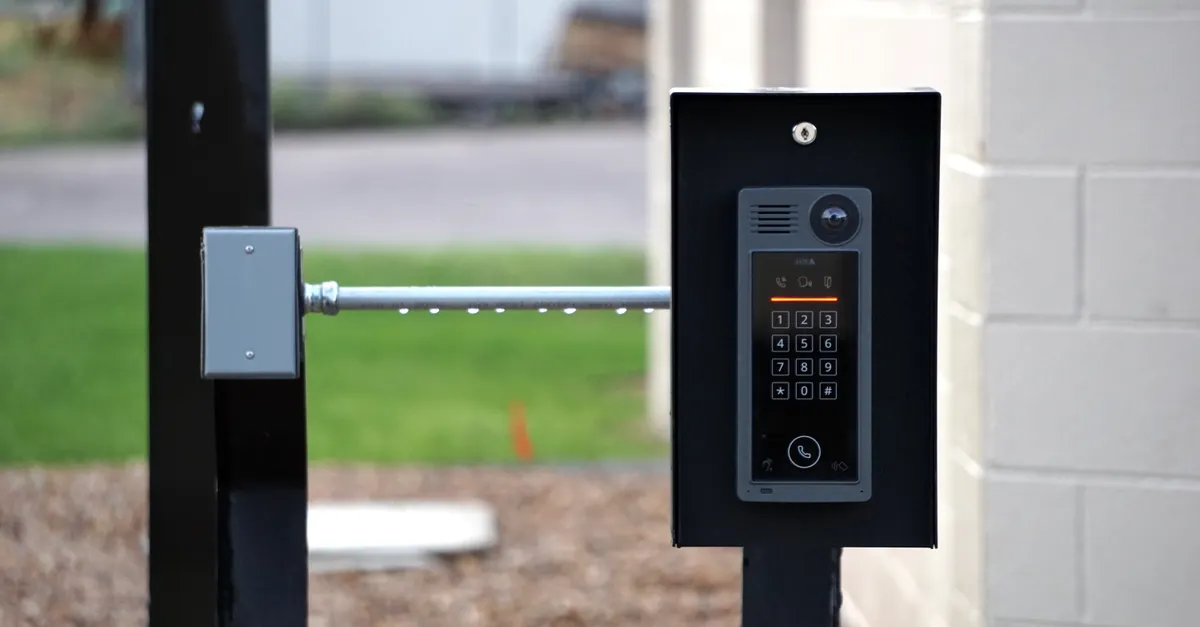
- Security Cameras: Modern cameras can identify people, pets, vehicles, and even packages. This allows for more accurate alerts and helps homeowners monitor activity around their property.
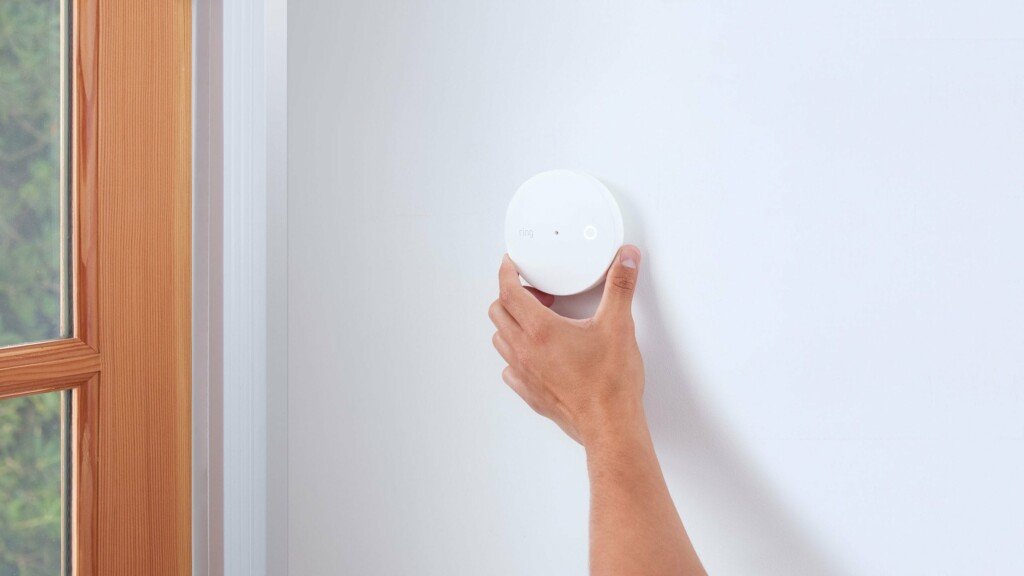
- Leak and Smoke Detectors: Devices equipped with AI can detect water leaks, smoke, or gas, and send instant notifications to your phone, helping to prevent damage or danger.
- Smart Speakers and Displays: Voice assistants use object detection to recognize who is speaking, personalize responses, and even control other smart devices based on context.
- Thermostats and Climate Controls: Some smart thermostats use motion sensors and AI to detect occupancy and adjust heating or cooling for energy efficiency.
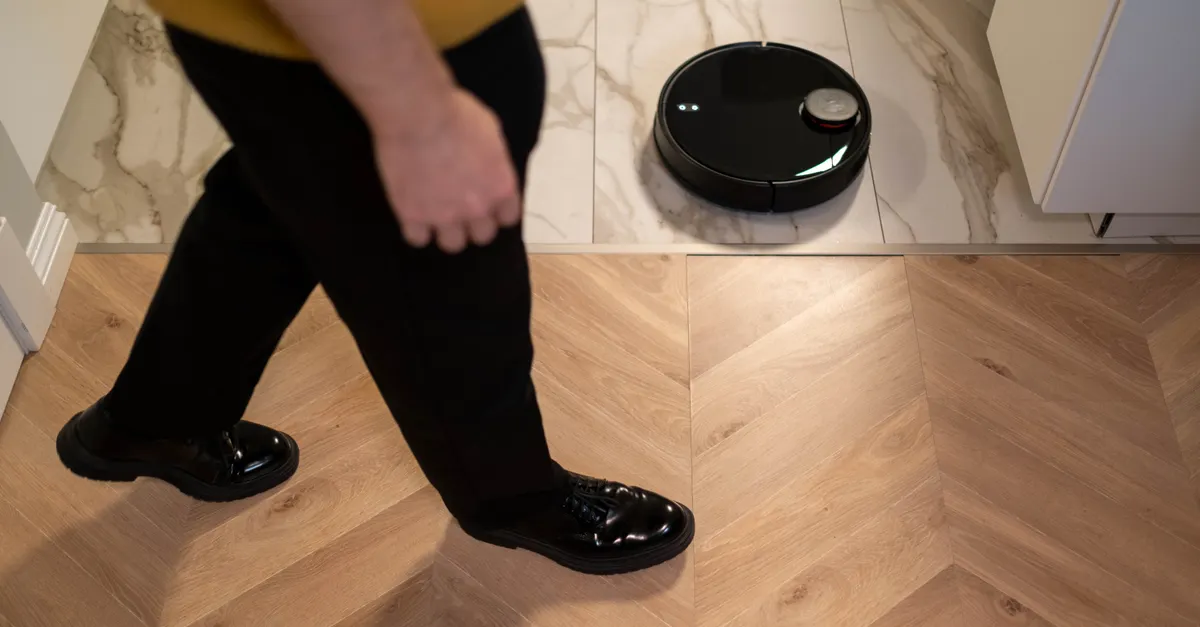
- Robotic Vacuums: These gadgets use cameras and sensors to map rooms, avoid obstacles, and clean more effectively.
For those interested in more advanced uses, check out ai smart home project ideas for inspiration on integrating artificial intelligence into your own home setup.
Benefits of Integrating Object Recognition into Home Gadgets
There are several advantages to having devices that can identify and respond to objects and movements:
- Enhanced Security: With accurate identification, homeowners receive fewer false alarms and more relevant notifications.
- Convenience: Automations can be triggered by specific events, such as turning on lights when someone enters a room or adjusting the thermostat based on occupancy.
- Energy Savings: Devices can optimize energy use by detecting when rooms are empty or when windows are open.
- Safety: Early detection of hazards like leaks or smoke can prevent damage and protect your family.
- Personalization: Smart speakers and displays can tailor responses and routines to individual users.
Challenges and Considerations for Homeowners
While the benefits are significant, there are also important factors to consider when adopting AI-powered object recognition in your home:
- Privacy: Devices that use cameras or microphones may raise concerns about data security. Always review privacy policies and choose reputable brands.
- Connectivity: Many smart gadgets rely on a stable internet connection for cloud-based processing and updates.
- Compatibility: Ensure new devices integrate smoothly with your existing smart home ecosystem.
- Cost: Advanced features may come at a premium, so weigh the benefits against your budget.
For a deeper dive into remote monitoring and how AI is used to keep homes secure, see ai remote home monitoring.
Future Trends in AI-Driven Home Technology
As artificial intelligence continues to evolve, we can expect even more sophisticated applications of object detection in household devices. Upcoming trends include:
- Edge Computing: Processing data locally on the device for faster response times and improved privacy.
- Multi-Modal Sensing: Combining data from cameras, microphones, and other sensors for more accurate detection.
- Integration with Green Technologies: Smart systems that help reduce energy consumption and support sustainability, as discussed in ai green smart homes with ai.
- Expanded Use Cases: From healthcare monitoring to advanced home automation, the possibilities are growing rapidly.

For more ways artificial intelligence is being used in residential settings, you can explore top examples of AI applications in homes.
FAQ
How does AI object detection differ from traditional motion sensing?
Traditional motion sensors detect movement but cannot distinguish between different types of objects. AI-powered detection, on the other hand, uses machine learning to identify specific items, such as people, pets, or vehicles, leading to more accurate and useful alerts.
Are AI-enabled home devices secure and private?
Most reputable brands prioritize security and privacy, offering features like encrypted data transmission and local processing. However, it’s important to review each product’s privacy policy and settings to ensure your data is protected.
Can I add AI object recognition to my existing smart home setup?
Many new devices are compatible with popular smart home platforms, making it possible to upgrade your system with AI features. Always check compatibility and integration options before purchasing.
What are some advanced uses of object detection in smart homes?
Beyond security and automation, object recognition can support energy management, health monitoring, and even personalized entertainment experiences. For example, ai occupancy detection in homes uses similar technology to optimize comfort and efficiency.