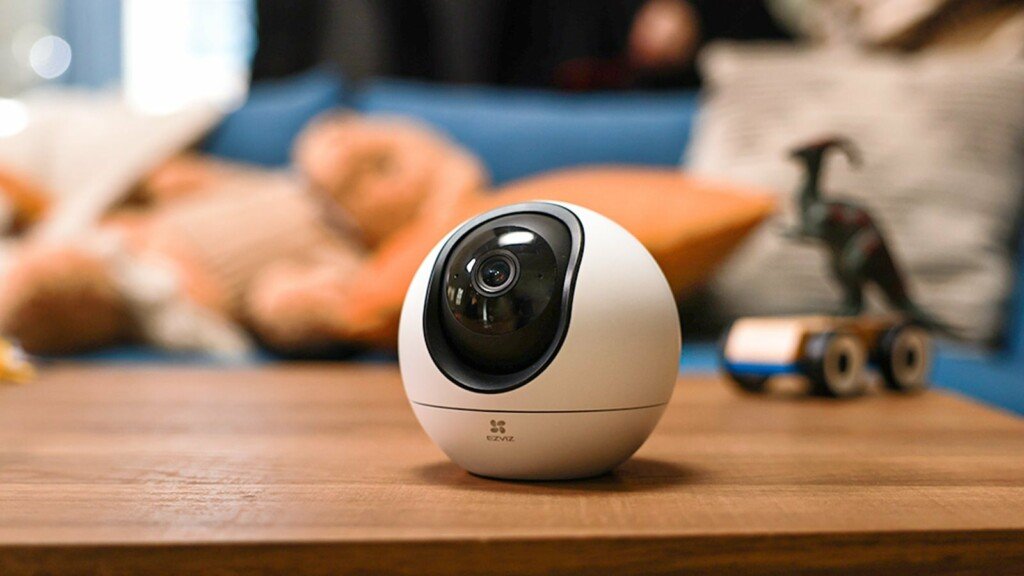
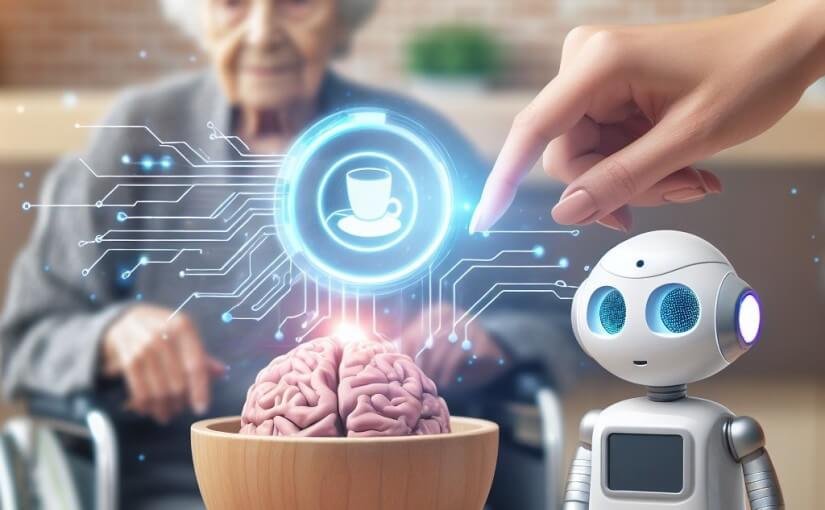
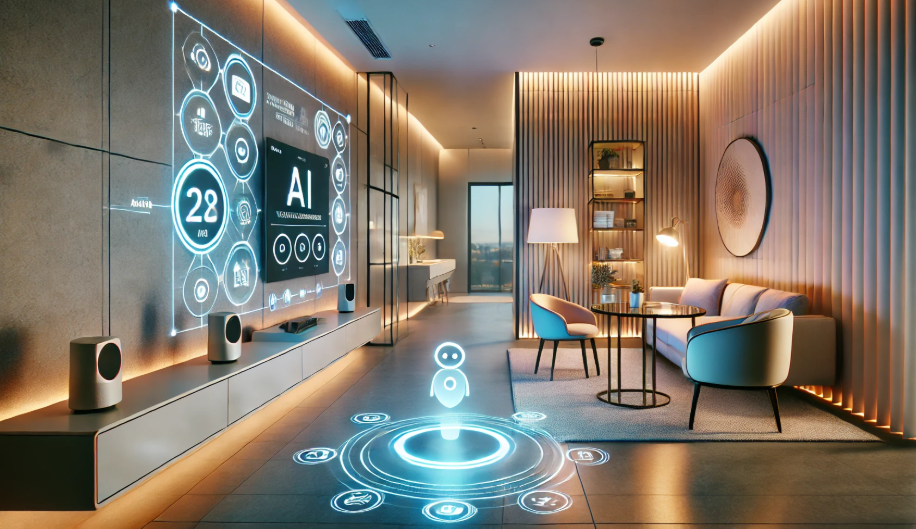
As the global population ages, the demand for reliable and efficient support solutions for seniors living independently continues to grow. AI emergency response systems are transforming how families and caregivers ensure the safety and well-being of older adults at home. These intelligent technologies use advanced sensors, real-time monitoring, and automated alerts to provide rapid assistance during medical incidents, falls, or other emergencies—often before a human responder can even be notified.
With the integration of artificial intelligence, these systems can learn individual routines, detect anomalies, and offer tailored responses that traditional alarms or call buttons cannot match. For those interested in broader smart home innovations, exploring AI remote home monitoring can provide additional insights into how technology is reshaping home care for seniors.

How AI-Powered Emergency Solutions Work in Home Care
Modern AI emergency response systems combine a network of sensors, wearable devices, and smart home integrations to monitor seniors’ activities and health indicators. Unlike traditional alert systems that require manual activation, these solutions use machine learning algorithms to automatically detect unusual patterns—such as a sudden fall, prolonged inactivity, or abnormal vital signs.
When a potential emergency is detected, the system can instantly notify caregivers, family members, or emergency services. Some platforms even offer two-way communication, allowing responders to assess the situation and provide reassurance until help arrives.
- Fall detection: Wearable devices and motion sensors identify sudden movements or impacts.
- Health monitoring: AI analyzes heart rate, blood pressure, and other metrics for early signs of distress.
- Routine analysis: The system learns daily habits and flags deviations that may indicate a problem.
- Automated alerts: Immediate notifications are sent to designated contacts or emergency services.
Key Benefits of Intelligent Emergency Response for Seniors
The adoption of AI-driven emergency solutions in elderly home care offers several advantages over conventional systems:
- Faster response times: Automated detection and instant alerts reduce delays in getting help.
- 24/7 monitoring: AI systems never sleep, providing continuous protection even when caregivers are unavailable.
- Personalized care: By learning individual routines, these platforms can distinguish between normal and concerning behavior, minimizing false alarms.
- Peace of mind: Families and seniors gain confidence knowing that assistance is always within reach.
- Reduced caregiver burden: Automated monitoring allows caregivers to focus on other tasks without compromising safety.
For those interested in expanding their smart home ecosystem, integrating AI battery management systems for homes can further enhance reliability during power outages or emergencies.
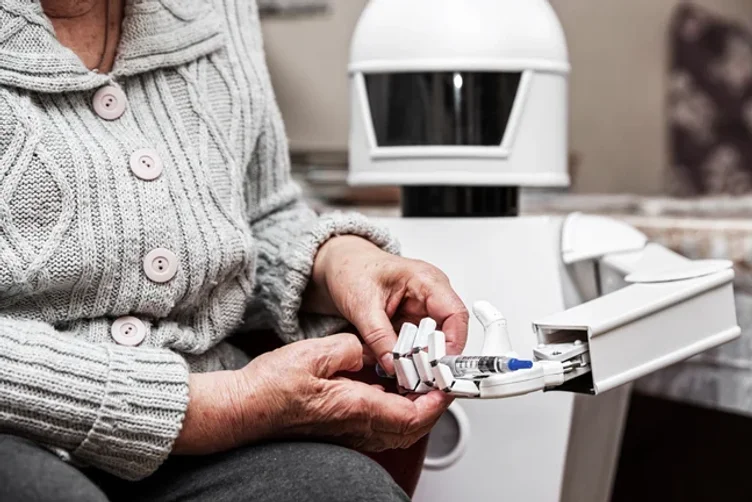
Essential Features to Look for in AI Home Safety Solutions
Not all intelligent emergency response platforms are created equal. When evaluating options for seniors, consider the following essential features:
- Wearable compatibility: Devices like smartwatches or pendants that can be worn comfortably throughout the day.
- Automatic fall detection: Built-in sensors that trigger alerts without manual input.
- Health data integration: Ability to monitor vital signs and sync with health records.
- Two-way communication: Direct voice or video contact with caregivers or emergency responders.
- Customizable alerts: Flexible notification settings for family, friends, or professional services.
- Privacy controls: Secure data handling and user consent for monitoring.
For students and tech enthusiasts, exploring AI smart home project ideas can help deepen understanding of how these features are developed and implemented.
Integrating AI Emergency Response with Other Smart Home Technologies
The effectiveness of AI-driven emergency solutions can be further enhanced by integrating them with other smart home technologies. For example, pairing these systems with AI occupancy detection in homes enables more accurate monitoring of movement and presence, reducing false alarms and improving response accuracy.
Additionally, combining emergency response platforms with smart lighting, voice assistants, and automated door locks can create a safer and more accessible environment for seniors. These integrations allow for automated routines, such as turning on lights if a fall is detected at night or unlocking doors for emergency responders.
For those interested in sustainability, integrating AI green smart homes with AI can help balance safety, comfort, and energy efficiency.
Challenges and Considerations in Deploying AI for Elderly Safety
While the benefits of intelligent emergency response are significant, there are important considerations to address:
- Privacy concerns: Continuous monitoring may raise questions about data security and personal privacy. It is crucial to choose systems with robust privacy controls and transparent data policies.
- Technology adoption: Some seniors may be hesitant to use new devices or may struggle with setup. User-friendly interfaces and caregiver support are essential.
- Reliability: Dependence on internet connectivity and power supply can be a limitation. Backup batteries and offline functionality are valuable features.
- Cost: Advanced AI solutions may involve higher upfront costs, but the investment can be justified by improved safety and peace of mind.
For a deeper dive into the impact of artificial intelligence in senior care, consider reading this comprehensive overview of AI in elderly care.
FAQ: AI Emergency Response in Senior Home Care
What makes AI-based emergency response different from traditional alert systems?
AI-powered platforms automatically detect emergencies using sensors and algorithms, rather than relying solely on manual activation. This enables faster, more accurate responses and reduces the risk of missed incidents.
Are these systems difficult for seniors to use?
Most modern solutions are designed for ease of use, with wearable devices, voice controls, and automated features. Caregivers can assist with setup, and many platforms offer user-friendly interfaces tailored for older adults.
How is personal data protected in AI emergency response systems?
Reputable providers implement strong encryption, secure cloud storage, and user consent protocols. Always review privacy policies and choose solutions that prioritize data protection and transparency.
Can AI emergency response systems integrate with other smart home devices?
Yes, many platforms support integration with smart lighting, cameras, voice assistants, and more, allowing for a comprehensive and coordinated approach to home safety.