The integration of artificial intelligence into smart homes is rapidly changing how properties are valued, marketed, and experienced. As more homeowners and buyers seek advanced technology for convenience, security, and efficiency, the impact of AI on property worth has become a key topic in real estate. Understanding how these intelligent systems influence home value can help both sellers and buyers make informed decisions in a competitive market.
Today’s smart homes go beyond simple automation. They use AI-driven devices and platforms to learn user preferences, optimize energy use, and enhance daily living. This evolution is not only transforming lifestyles but also shaping the way real estate professionals assess and promote properties. If you’re interested in the technical side of home automation, you might also want to explore ai battery management systems for homes for insights into energy efficiency advancements.
How Artificial Intelligence Is Reshaping Home Value Assessments
AI-powered technology is increasingly used to evaluate property features that traditional appraisals might overlook. Smart thermostats, voice assistants, intelligent lighting, and security systems all contribute to a home’s perceived worth. These features are not just appealing add-ons; they represent a shift in what buyers expect from modern living spaces.
For example, AI-enabled security cameras and sensors provide real-time monitoring and alerts, which can lower insurance costs and increase buyer confidence. Automated climate control systems help reduce utility bills and demonstrate a commitment to sustainability, a factor that is gaining importance in property valuation. As a result, homes equipped with advanced AI systems often command higher prices and sell faster than those without.
According to a recent survey, properties with integrated smart technology can see a value increase of up to 5%. This premium reflects both the tangible benefits of AI devices and the growing demand for connected living environments.
Key AI Features That Boost Property Appeal
Not all smart home upgrades have the same impact on real estate value. Certain AI-driven features are particularly influential when it comes to attracting buyers and justifying higher price points:
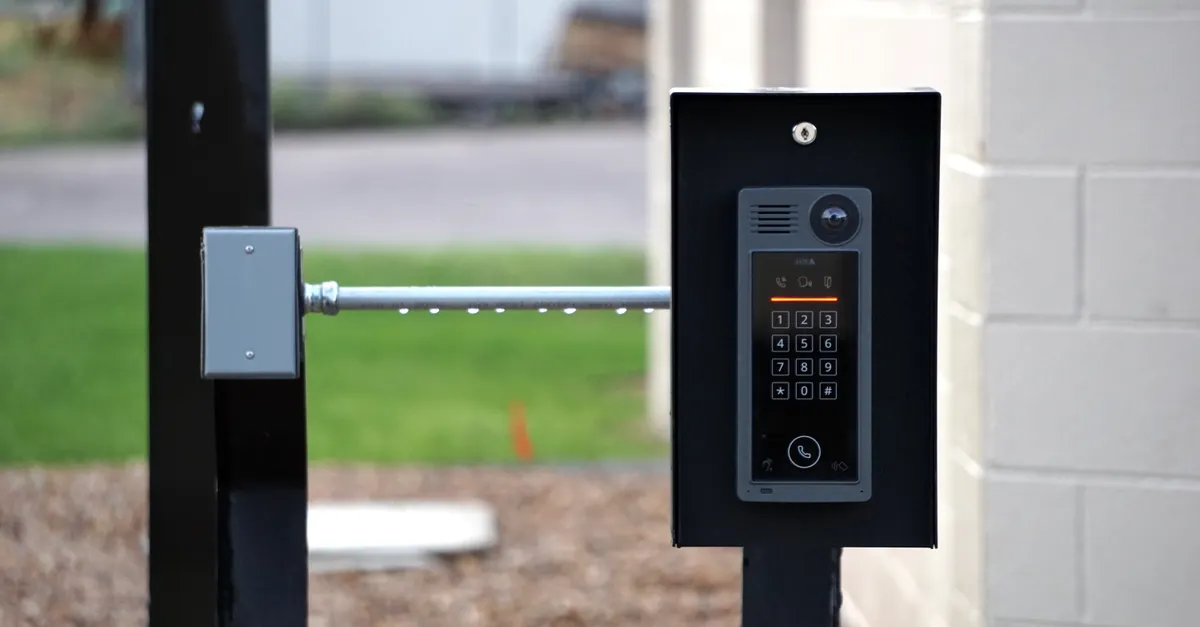
- Intelligent Security: AI-powered doorbells, cameras, and motion detectors offer peace of mind and are often highlighted in property listings.
- Energy Management: Smart thermostats and lighting systems that learn user habits can significantly reduce energy consumption.
- Voice Control: Integration with assistants like Alexa or Google Assistant adds convenience and accessibility, especially for multi-generational households.
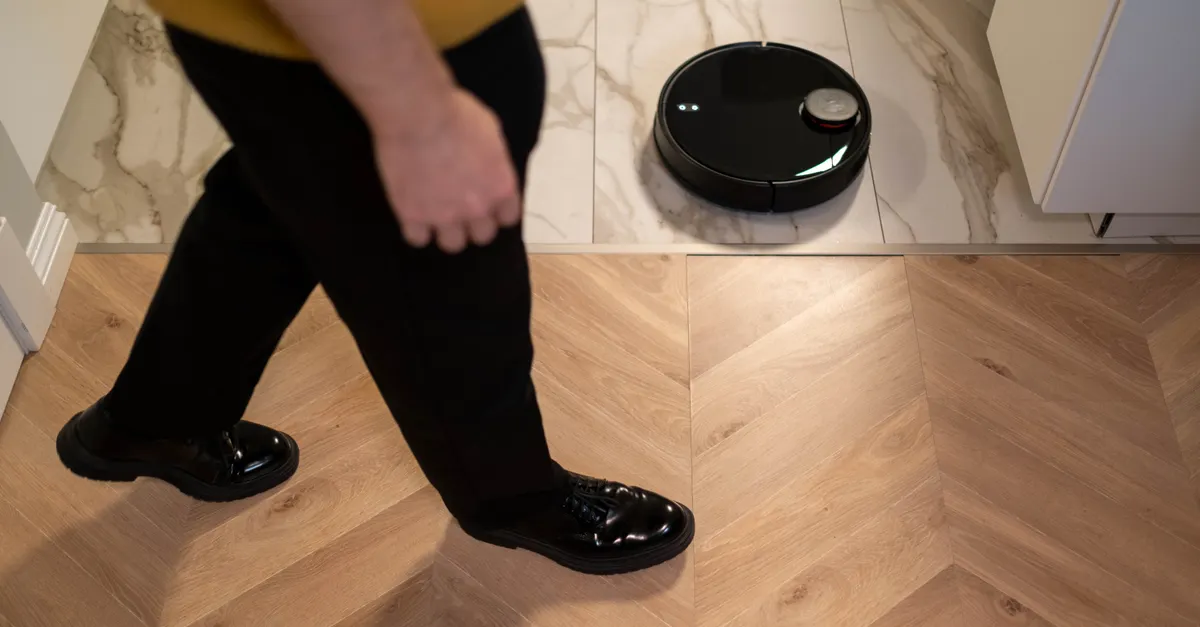
- Predictive Maintenance: AI systems can monitor appliances and alert homeowners to potential issues before they become costly repairs.
For those interested in exploring practical applications, check out these ai smart home project ideas for students and hobbyists.

AI’s Influence on Buyer Preferences and Market Trends
Modern buyers are increasingly tech-savvy and prioritize homes that offer seamless integration with their digital lifestyles. AI-driven smart home features are now seen as essential by many, rather than optional luxuries. This shift is especially pronounced among younger buyers and families who value convenience, security, and sustainability.
Real estate agents are adapting by highlighting AI capabilities in property listings and marketing materials. Virtual tours often showcase smart devices in action, and open houses may include demonstrations of voice-controlled lighting or automated security systems. These efforts help buyers visualize the benefits and can lead to quicker sales at higher prices.
For a deeper dive into how AI is transforming home monitoring, see ai remote home monitoring explained for a comprehensive overview.

Challenges and Considerations for Homeowners
While the benefits of AI in property valuation are clear, there are also challenges to consider. Compatibility between devices, data privacy, and ongoing maintenance can all affect the long-term value of smart home investments. Homeowners should ensure that their AI systems are up-to-date and compatible with widely used platforms to avoid obsolescence.
Privacy is another concern. AI devices often collect and process personal data, which can be a sticking point for some buyers. Transparent communication about how data is managed and protected can help alleviate these concerns and maintain trust during the sales process.
Additionally, not all buyers are equally comfortable with advanced technology. Providing user-friendly guides and offering to transfer device ownership can make the transition smoother and more appealing to a broader audience.
Maximizing Return on AI Investments in Real Estate
To get the most value from smart home upgrades, homeowners should focus on features that are both practical and widely appreciated. Security systems, energy management tools, and voice assistants tend to offer the best return on investment. It’s also wise to keep documentation of installations and warranties, as these can be important selling points.
Staying informed about the latest trends is crucial. For example, ai green smart homes with ai technology explores how eco-friendly features are becoming increasingly desirable. These innovations not only boost property value but also appeal to environmentally conscious buyers.
For those interested in learning about the broader landscape of smart home automation, this guide to AI-powered smart home automation devices provides an excellent overview of available options and their benefits.
Future Outlook: AI and the Evolving Real Estate Market
The role of AI in shaping property values is expected to grow as technology becomes more sophisticated and accessible. Predictive analytics, automated home management, and integration with renewable energy sources are just a few areas where advancements are likely to influence real estate trends.
As smart home technology becomes mainstream, real estate professionals will need to stay current with the latest developments to accurately assess and market properties. Homeowners who invest in scalable, upgradeable AI systems will be best positioned to benefit from future market shifts.
For additional insights on occupancy and automation, see ai occupancy detection in homes for a closer look at how AI is redefining space utilization and security.
FAQ
How does AI technology affect home resale value?
AI-powered features like smart security, energy management, and voice assistants can increase a home’s resale value by making it more attractive to tech-savvy buyers. These upgrades often lead to faster sales and higher offers, especially in competitive markets.
Are all smart home devices equally valuable for real estate?
No, some AI-driven devices have a greater impact on property value than others. Security systems, energy-saving tools, and integrated voice assistants are generally more desirable and offer better returns than niche or proprietary gadgets.
What should homeowners consider before installing AI systems?
It’s important to choose devices that are compatible with common platforms, prioritize data privacy, and keep documentation for future buyers. Regular updates and maintenance also help ensure that AI systems remain valuable assets over time.