Upgrading your home with smart lighting offers convenience, energy savings, and a touch of modern style. However, before making any purchases, it’s essential to understand the key smart lighting installation considerations that will impact your setup. Planning ahead helps avoid compatibility issues, ensures you get the features you want, and can save you time and money in the long run.
This guide covers the most important aspects to think about before you buy any smart bulbs, switches, or hubs. We’ll look at compatibility, network requirements, control options, installation complexity, and how to set realistic expectations for your project. If you’re new to the world of connected lighting, you might also find it helpful to review our smart lighting terminology explained article to get familiar with common terms.
Evaluating Your Home’s Compatibility
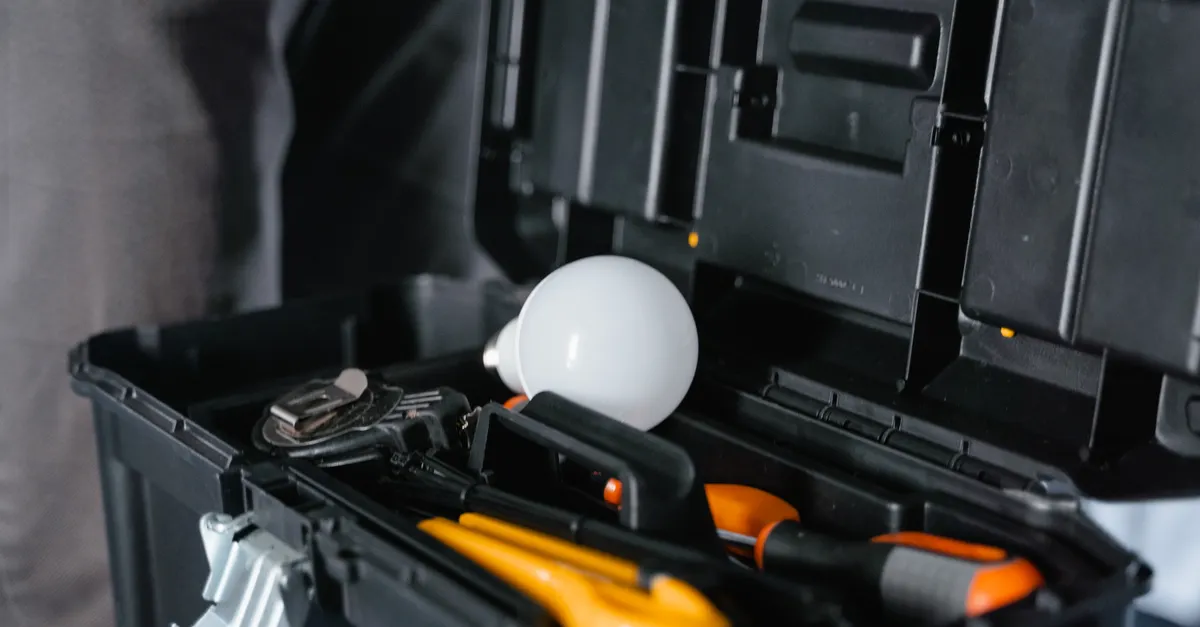
One of the first smart lighting installation considerations is whether your current home setup supports the technology you want to install. Not all lighting fixtures, wiring, or switches are compatible with smart devices. Here’s what to check:
- Fixture Types: Some smart bulbs only fit standard sockets (like E26 or E27). Specialty fixtures, such as recessed lights or chandeliers, may require different solutions.
- Switch Wiring: Many smart switches need a neutral wire, which isn’t always present in older homes. Double-check your electrical box before purchasing.
- Dimmer Compatibility: If you want dimming features, ensure both your bulbs and switches support it. Mixing incompatible products can cause flickering or reduced bulb lifespan.
Taking the time to inspect your fixtures and wiring will help you choose products that work seamlessly in your space.
Choosing the Right Smart Lighting Ecosystem
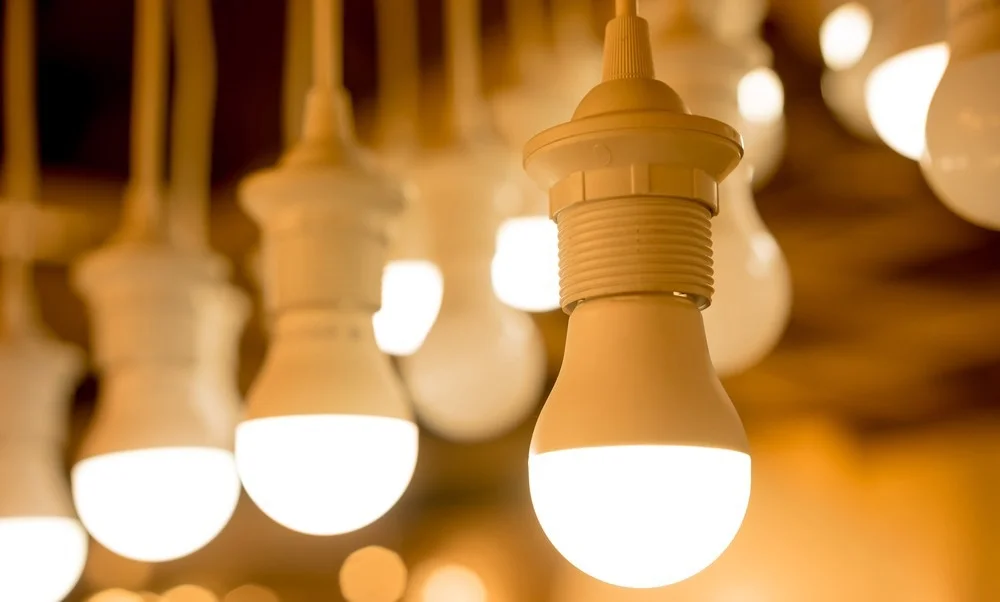
Smart lighting products often belong to specific ecosystems, such as Philips Hue, Kasa, or LIFX. Each has its own app, features, and compatibility with other smart home platforms. Consider these points:
- Hub Requirements: Some brands require a dedicated hub or bridge, while others connect directly to Wi-Fi or Bluetooth.
- Voice Assistant Integration: If you use Alexa, Google Assistant, or Apple HomeKit, check that your chosen system supports your preferred assistant.
- Expandability: Think about whether you’ll want to add more lights or devices in the future. Sticking to one ecosystem can simplify control and automation.
For more on what to expect from different systems, see our smart lighting expectations guide.
Network and Connectivity Factors
Reliable connectivity is crucial for smart lighting to function properly. Here are some network-related smart lighting installation considerations to keep in mind:
- Wi-Fi Coverage: Smart bulbs and switches need a strong Wi-Fi signal. Dead zones can cause devices to drop offline or respond slowly.
- Bandwidth: Large numbers of connected devices can strain your network. If you plan to automate many lights, ensure your router can handle the load.
- Alternative Protocols: Some products use Zigbee or Z-Wave, which may require a compatible hub but can reduce Wi-Fi congestion.
For more technical details on what affects smart lighting performance, check out our smart lighting performance factors resource.
Installation Complexity and DIY vs. Professional Help
Not all smart lighting products are equally easy to install. Here’s what to consider:
- Smart Bulbs: These are typically plug-and-play—just screw them in and connect via the app.
- Smart Switches: Installation can be more complex, often requiring you to turn off power and rewire the switch. If you’re not comfortable with electrical work, hiring a licensed electrician is the safest option.
- Smart Plugs and Accessories: These are usually simple to set up and can add flexibility to your system.
Always follow manufacturer instructions and local electrical codes. If in doubt, consult a professional to avoid safety hazards.

Control Options and Automation Features
One of the main benefits of smart lighting is the ability to control your lights in new ways. When planning your setup, think about:
- App Control: Most systems let you manage lights from your smartphone, whether you’re at home or away.
- Voice Commands: Integration with voice assistants allows for hands-free operation.
- Schedules and Scenes: Automate lights to turn on/off at specific times or create mood lighting with preset scenes.
- Motion Sensors: Some systems support sensors that trigger lights based on movement, adding convenience and energy savings.
Decide which features are most important to you, and make sure your chosen products support them.
Budgeting and Long-Term Value
Smart lighting can range from affordable to premium, depending on the brand and features. Consider these points when budgeting:
- Initial Costs: Starter kits and individual bulbs vary in price. Factor in the cost of any required hubs or accessories.
- Energy Savings: Many smart bulbs are LED-based, using less electricity and lasting longer than traditional bulbs. For more on longevity, see our smart lighting lifespan explained article.
- Expandability: Investing in a scalable system can save money if you plan to add more devices over time.
Weigh the upfront investment against the convenience, control, and potential savings you’ll gain.
Security and Privacy Concerns
As with any connected device, smart lighting can introduce privacy and security risks. Here’s how to stay safe:
- Secure Your Network: Use strong, unique passwords for your Wi-Fi and smart home accounts.
- Regular Updates: Keep your devices’ firmware and apps up to date to patch vulnerabilities.
- Review Permissions: Only grant necessary permissions in your smart lighting apps.
For more tips on upgrading safely, see this guide to upgrading to smart lighting from Vevo Lighting.
Common Pitfalls to Avoid
Many first-time buyers run into similar issues when setting up smart lighting. Here are some mistakes to watch out for:
- Overlooking compatibility between bulbs, switches, and hubs
- Ignoring Wi-Fi coverage in all areas where you want smart lights
- Assuming all products work with every voice assistant
- Underestimating installation complexity for wired switches
- Neglecting to plan for future expansion
By considering these factors up front, you can avoid frustration and get the most from your investment.
Frequently Asked Questions
What are the main benefits of planning before installing smart lighting?
Planning helps ensure compatibility with your home’s wiring, fixtures, and network. It also allows you to choose the right ecosystem, avoid unnecessary purchases, and set up your system for easy expansion and automation.
Can I mix and match smart bulbs from different brands?
While it’s possible, mixing brands can complicate control and automation. Each brand typically uses its own app and may not integrate seamlessly with others. For the best experience, stick to one ecosystem or ensure all devices are compatible with your preferred smart home platform.
Do I need a hub for smart lighting?
Some systems require a hub (like Philips Hue), while others connect directly to Wi-Fi or Bluetooth. Check the requirements for your chosen products before buying. Hubs can offer more reliability and advanced features, but add to the initial cost.
Conclusion
Taking the time to review smart lighting installation considerations before making a purchase will help you create a system that fits your needs, works reliably, and is easy to expand. From checking compatibility and network requirements to choosing the right control options and budgeting for the future, a little planning goes a long way. For more details on terminology and essential concepts, see our smart lighting glossary terms.