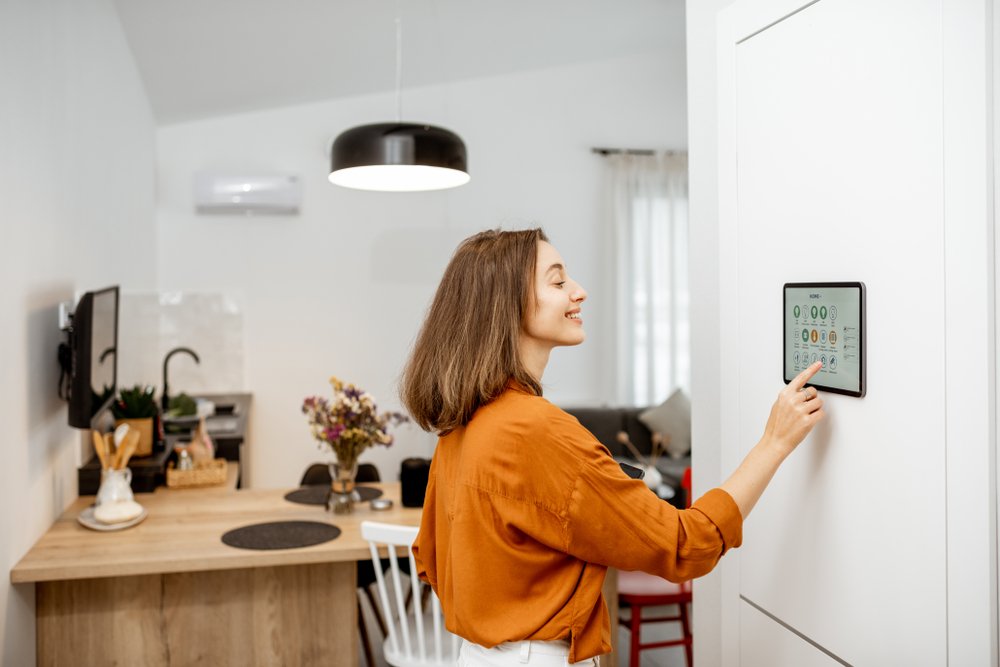
As smart lighting becomes more common in homes and businesses, understanding the certifications behind these products is essential. Certifications help ensure that connected lighting systems are not only innovative but also meet strict standards for safety, performance, and quality. This guide offers a clear overview of what smart lighting certification means, why it matters, and how it impacts your choices as a consumer or professional installer.
Whether you’re new to connected lighting or looking to upgrade your current setup, knowing what to look for in certified products can make a significant difference. Certified smart lighting devices are tested for electrical safety, wireless interoperability, energy efficiency, and compliance with regional regulations. This reduces risks and increases confidence in your investment.
For those interested in deepening their understanding of the terminology used in this field, the smart lighting terminology explained resource provides a helpful glossary of key terms.
Why Certification Matters for Smart Lighting
Certification is more than just a label on a box. It is a formal process that verifies a product has been independently tested and meets specific standards. For smart lighting, these standards cover:
- Electrical safety to prevent fire and shock hazards
- Wireless communication compatibility (such as Zigbee, Z-Wave, Wi-Fi, Bluetooth)
- Energy efficiency and sustainability
- Performance under different environmental conditions
- Compliance with local and international regulations
Choosing certified smart lighting reduces the risk of device failure, interference with other electronics, or even safety incidents. It also ensures that your lighting system will work as intended with other certified devices and platforms.
Key Organizations and Standards in Smart Lighting Certification
Several organizations set the benchmarks for smart lighting products. Understanding these can help you make informed decisions:
- UL (Underwriters Laboratories): Focuses on electrical safety and fire prevention.
- ETL (Intertek): Similar to UL, provides safety certification for North America.
- FCC (Federal Communications Commission): Ensures wireless products do not cause harmful interference.
- Energy Star: Certifies energy efficiency and environmental performance.
- Zigbee Certified and Z-Wave Certified: Guarantee interoperability within their respective wireless ecosystems.
- CE Mark: Required for products sold in the European Economic Area, covering safety, health, and environmental protection.
When shopping for smart lighting, look for these marks on packaging or in product documentation. They indicate the device has passed rigorous third-party testing.
How Certification Affects Safety and Quality
Certified smart lighting products are designed to minimize risks. Here’s how certification impacts both safety and quality:
- Electrical Protection: Certified devices have built-in safeguards against overcurrent, overheating, and short circuits.
- Reliable Connectivity: Certification ensures devices communicate effectively with hubs, apps, and other smart home components.
- Consistent Performance: Products are tested for durability, brightness, color accuracy, and responsiveness.
- Reduced Interference: Wireless certifications prevent devices from disrupting Wi-Fi, Bluetooth, or other radio signals in your home.
- Long-Term Value: Certified lighting often comes with better warranties and support, reflecting the manufacturer’s confidence in their product.
For a deeper dive into what affects the performance of smart lighting, see the smart lighting performance factors article.
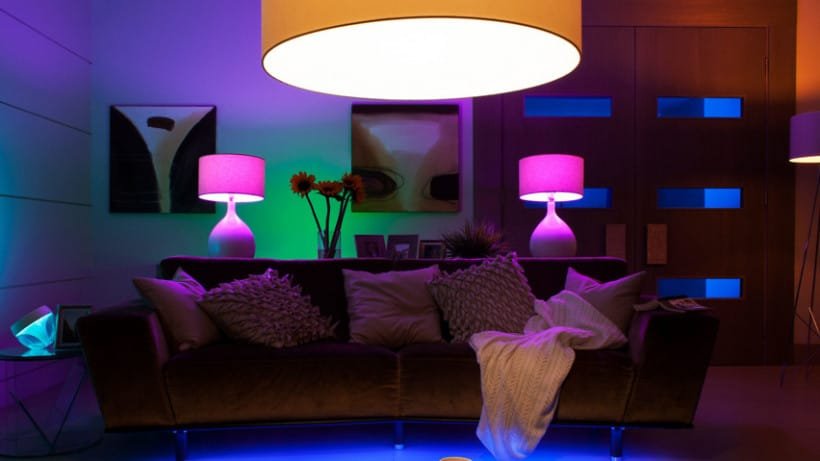
What to Look for When Choosing Certified Smart Lighting
When evaluating smart lighting options, keep the following in mind:
- Check for Certification Marks: Look for UL, ETL, Energy Star, Zigbee, Z-Wave, or CE logos on the product or packaging.
- Review Documentation: Manufacturers should provide details about their certifications and testing procedures.
- Consider Compatibility: Certified products are more likely to work seamlessly with popular smart home platforms like Alexa, Google Home, and Apple HomeKit.
- Assess Warranty and Support: Certified devices often come with better warranties and customer service.
- Read Reviews and Specifications: User feedback and technical specs can reveal how a product performs in real-world conditions.
For more on setting realistic expectations for your smart lighting system, refer to the smart lighting expectations guide.
Benefits of Using Certified Smart Lighting
Opting for certified lighting solutions offers several advantages:
- Peace of Mind: Knowing your devices meet strict safety and quality standards reduces worry about malfunctions or hazards.
- Energy Savings: Certified products are typically more energy-efficient, saving money over time.
- Interoperability: Certified devices are more likely to work with other systems and future upgrades.
- Environmental Responsibility: Many certifications require reduced environmental impact and responsible manufacturing.
To learn more about the broader advantages of connected lighting, see this overview of smart lighting benefits.

Common Certification Labels and What They Mean
| Certification | What It Covers | Where It’s Required |
|---|---|---|
| UL/ETL | Electrical safety, fire prevention | North America |
| FCC | Wireless interference, radio compliance | United States |
| Energy Star | Energy efficiency, environmental impact | United States, Canada |
| Zigbee/Z-Wave Certified | Wireless interoperability, device compatibility | Global |
| CE Mark | Safety, health, environmental protection | European Economic Area |
Understanding these labels helps you choose products that are safe, reliable, and compatible with your smart home ecosystem.
Maintaining Certified Smart Lighting Systems
Once you’ve installed certified smart lighting, regular maintenance is important for continued safety and performance:
- Keep firmware and apps updated to address security vulnerabilities.
- Replace bulbs or components at the end of their rated lifespan. For more on this, see smart lighting lifespan explained.
- Monitor for recalls or safety notices from manufacturers.
- Ensure new devices added to your system are also certified.
Staying proactive helps maintain the benefits of certification and keeps your lighting system running smoothly.
FAQ
What is the difference between certified and non-certified smart lighting?
Certified smart lighting has undergone independent testing for safety, performance, and compliance with regulations. Non-certified products may not meet these standards, increasing the risk of malfunctions, incompatibility, or safety hazards.
Do all smart bulbs need to be certified?
While not legally required in every region, using certified bulbs is strongly recommended. Certification ensures the product is safe, reliable, and compatible with other smart home devices.
How can I verify if a smart lighting product is certified?
Check for certification marks such as UL, ETL, Energy Star, Zigbee, or CE on the product, packaging, or manufacturer’s website. You can also request documentation or look up the product in certification databases.
Are certified smart lights more expensive?
Certified products may cost slightly more due to the testing and quality assurance involved. However, the added safety, reliability, and support often make them a better long-term investment.
Can certification affect smart lighting performance?
Yes, certification ensures that devices perform consistently and reliably, reducing the risk of connectivity issues, interference, or early failure.
For more essential vocabulary and definitions, visit the smart lighting glossary terms page.