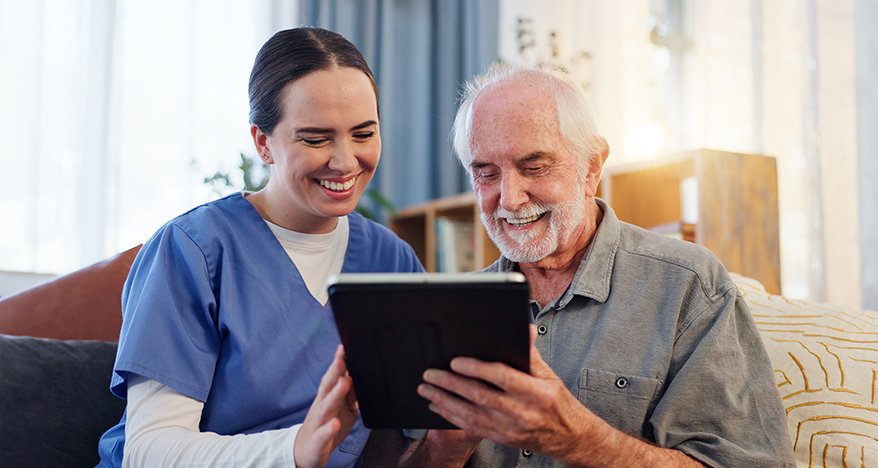
As the global population ages, ensuring the safety, health, and independence of older adults has become a top priority for families and healthcare providers alike. AI sensors for elderly care are transforming how we monitor and support seniors, offering proactive solutions that go far beyond traditional alert systems. These intelligent devices can detect subtle changes in behavior, monitor vital signs, and provide real-time alerts, helping to prevent accidents and respond quickly to emergencies.
By integrating artificial intelligence with advanced sensor technology, these systems deliver a new level of protection and peace of mind. Whether installed in private homes or assisted living facilities, smart detection tools are making it possible for seniors to live more safely and independently. For those interested in broader smart home solutions, exploring topics like AI remote home monitoring can provide additional insights into how technology is reshaping residential care.
How Smart Sensors Are Revolutionizing Senior Safety
The introduction of AI-powered sensors in elder care has shifted the focus from reactive to proactive safety. Unlike basic alarms or emergency buttons, these intelligent devices continuously analyze data to spot early warning signs of issues such as falls, wandering, or sudden health changes. They can be integrated into wearables, home monitoring systems, and even everyday objects, making them unobtrusive yet highly effective.
For example, motion detectors equipped with artificial intelligence can distinguish between normal activity and unusual patterns, such as a senior spending too long in the bathroom or not moving for extended periods. Some systems also track sleep quality, heart rate, and respiration, alerting caregivers to potential health concerns before they escalate.
Key Benefits of AI-Driven Monitoring for Older Adults
The advantages of using smart detection tools in elderly care are significant:
- Early Intervention: By identifying risks like falls or sudden illness, these systems enable faster response and reduce the likelihood of serious complications.
- Increased Independence: Seniors can maintain autonomy and privacy, knowing that help is available if needed—without constant in-person supervision.
- Peace of Mind for Families: Relatives and caregivers receive real-time updates and alerts, easing anxiety and improving communication.
- Data-Driven Insights: Continuous monitoring provides valuable information that can inform healthcare decisions and personalized care plans.
- Cost Savings: Preventing hospitalizations and enabling seniors to remain at home longer can reduce overall care expenses.
Types of AI Sensors Used in Elderly Care
The landscape of AI sensors for elderly care is diverse, with solutions tailored to different needs and living environments. Here are some of the most common types:
- Wearable Devices: Smartwatches and pendants equipped with fall detection, heart rate monitoring, and GPS tracking.
- Environmental Sensors: Devices placed around the home to monitor movement, door openings, and appliance usage.
- Bed and Chair Sensors: Pressure-sensitive pads that detect when someone gets up or sits down, helping to prevent falls.
- Health Monitoring Sensors: Tools that track vital signs like blood pressure, oxygen saturation, and temperature, often integrated with remote healthcare platforms.
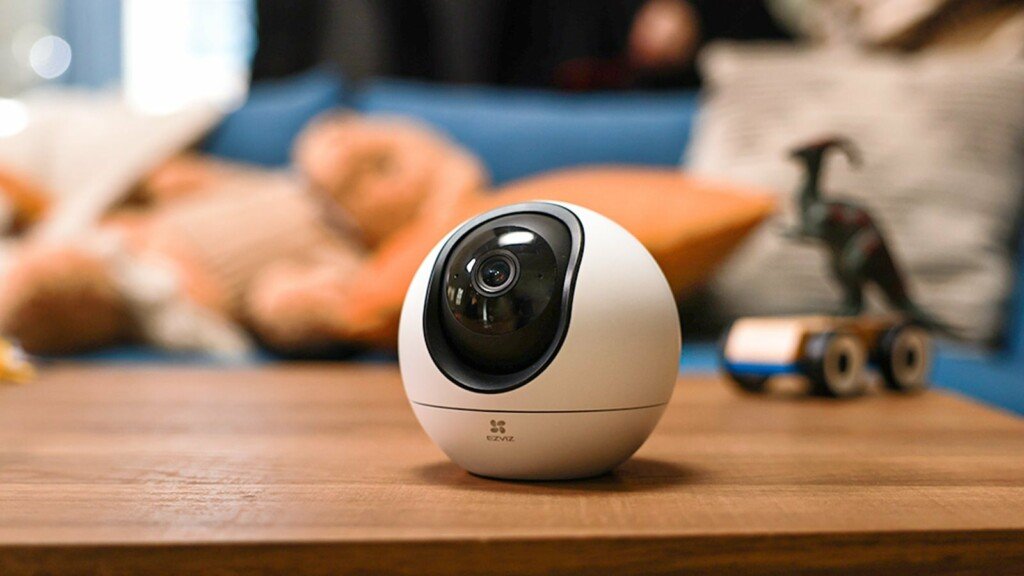
- Camera-Based Systems: AI-enabled cameras that analyze activity patterns while respecting privacy through anonymized data processing.

Integration With Smart Home Technologies
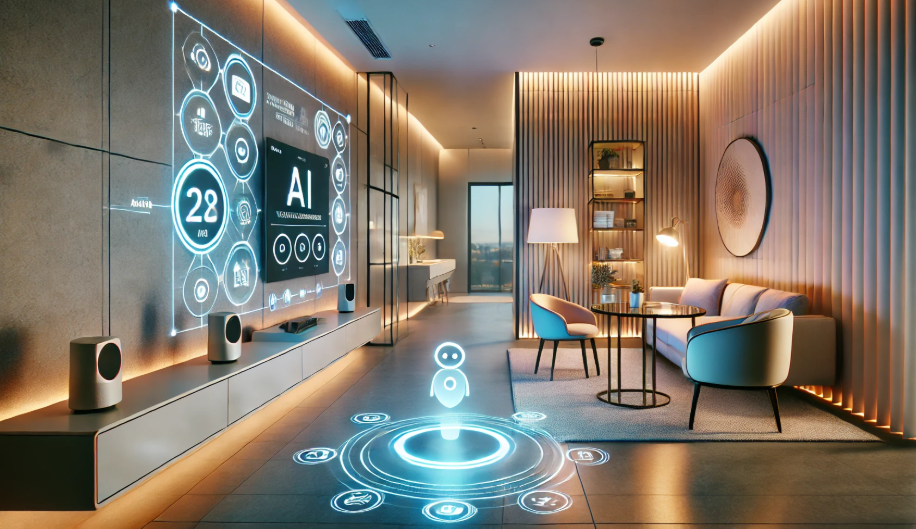
Many modern sensor systems are designed to work seamlessly with other smart home devices. For instance, integrating AI battery management systems for homes ensures uninterrupted operation of critical monitoring equipment during power outages. Combining environmental sensors with smart lighting or climate control can further enhance comfort and safety for seniors.
Students and tech enthusiasts interested in developing their own solutions might find inspiration from AI smart home project ideas, which cover a range of applications from security to energy efficiency. The flexibility of these technologies allows for customization based on individual needs and living arrangements.
Privacy and Ethical Considerations
While the benefits of smart detection tools are clear, privacy remains a key concern. Many families worry about constant surveillance or data misuse. The latest systems address these issues by using anonymized data, local processing, and strict access controls. Camera-based solutions, for example, can blur faces or only record activity patterns, not identifiable images.
It’s also important to involve seniors in the decision-making process, ensuring they understand how the technology works and have control over their own data. Transparency and consent are essential for building trust and maximizing the positive impact of these innovations.
Real-World Applications and Success Stories
Across the globe, assisted living communities and home care providers are adopting AI sensors for elderly care to improve outcomes. Facilities report fewer falls and faster emergency response times, while families appreciate the reassurance of continuous monitoring. Remote health tracking has also enabled more effective management of chronic conditions, reducing hospital visits and supporting aging in place.
For a broader perspective on how artificial intelligence is shaping senior living and healthcare, the role of AI in enhancing retirement living and healthcare is explored in depth by industry experts.

Choosing the Right Smart Detection System
Selecting the best solution depends on the unique needs of the individual and their living environment. Considerations include the senior’s mobility, cognitive health, and comfort with technology. Some may benefit most from discreet environmental sensors, while others might prefer wearable devices that double as emergency alert systems.
It’s also wise to look at how easily the system integrates with existing smart home infrastructure. For those interested in sustainability and energy efficiency, exploring AI green smart homes with AI technology can reveal ways to combine safety with eco-friendly living.
Future Trends in AI-Enabled Elderly Care
The field of smart detection for seniors is evolving rapidly. Advances in machine learning are making sensors more accurate and adaptive, capable of learning an individual’s routines and flagging even subtle deviations. Integration with telemedicine platforms is also expanding, allowing healthcare professionals to monitor patients remotely and intervene as needed.
As adoption grows, expect to see even more seamless and personalized solutions, with a focus on balancing safety, privacy, and quality of life. For those curious about occupancy tracking and automation, AI occupancy detection in homes offers additional insights into how these technologies can be leveraged for comprehensive care.
Frequently Asked Questions
What types of data do AI sensors collect in senior care settings?
These devices gather a range of information, including movement patterns, vital signs (such as heart rate and blood pressure), sleep quality, and environmental factors like temperature or door activity. The data is analyzed to detect anomalies or potential risks, enabling timely interventions.
How do smart detection systems protect privacy?
Many solutions use anonymized data, local processing, and strict access controls to safeguard personal information. Some camera-based systems avoid capturing identifiable images, focusing instead on activity patterns to maintain privacy while ensuring safety.
Can these technologies be used in private homes as well as care facilities?
Yes, smart sensors are designed for flexibility and can be installed in both private residences and assisted living environments. They can be tailored to individual needs, making them suitable for a wide range of living situations.
Are AI-powered monitoring systems difficult for seniors to use?
Most modern solutions are designed to be user-friendly and require minimal interaction from the senior. Many operate automatically in the background, with alerts sent directly to caregivers or family members as needed.