Smart home devices powered by artificial intelligence are becoming increasingly common in households worldwide. From voice assistants and smart thermostats to security cameras and leak detectors, these gadgets offer convenience, automation, and energy savings. However, as more people invite these technologies into their living spaces, concerns about privacy and data security are growing. Many homeowners wonder: are AI home gadgets safe for privacy, or do they introduce new risks?
This article examines the privacy implications of AI-powered home technology. We’ll discuss how these devices collect and use data, the potential vulnerabilities, and practical steps you can take to protect your personal information. For those interested in the technical side of automation, you may also want to explore ai home automation programming basics for a deeper understanding of how these systems operate.
Understanding Data Collection in Smart Homes
AI-driven home devices work by gathering data from their environment and users. This can include:
- Audio recordings from voice assistants
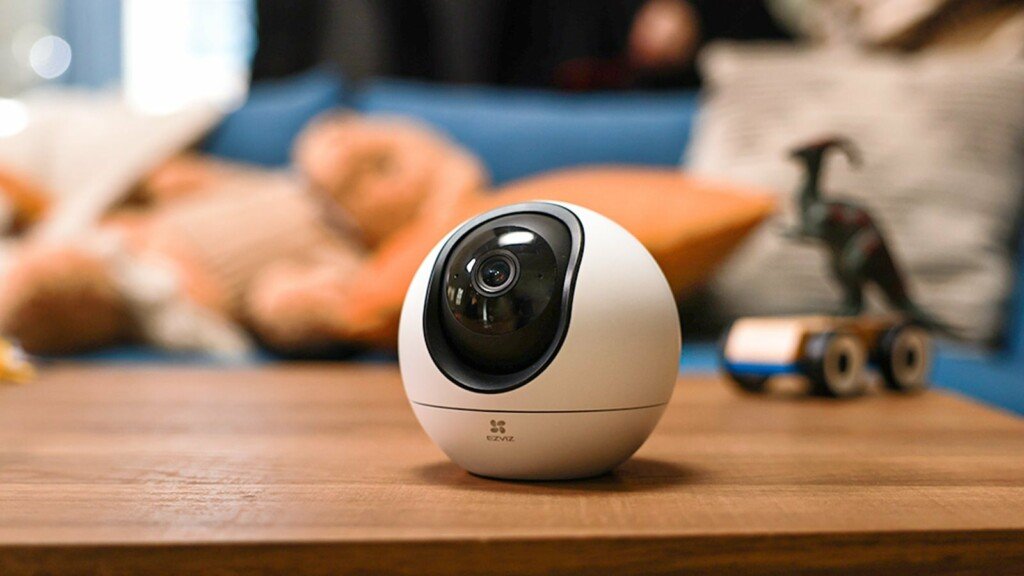
- Video footage from security cameras
- Temperature, motion, and occupancy data from sensors
- Usage patterns and schedules for appliances
Manufacturers use this data to improve device performance, personalize user experiences, and sometimes for targeted advertising. While these features can be beneficial, they also mean that sensitive information about your daily life is being collected, stored, and sometimes transmitted to cloud servers.
Potential Privacy Risks of AI Home Devices
When evaluating are AI home gadgets safe for privacy, it’s important to recognize the main risks:
- Unauthorized Access: Hackers may exploit vulnerabilities to gain control of devices or access data streams.
- Data Sharing: Some companies share user data with third parties, including advertisers or analytics firms, often outlined in lengthy privacy policies.
- Always-On Listening and Watching: Devices with microphones and cameras can be triggered accidentally or intentionally, capturing more than intended.
- Cloud Storage Concerns: Data stored remotely is subject to breaches and may be accessed by employees or government agencies under certain circumstances.
For example, smart speakers and security cameras have made headlines for accidental recordings or unauthorized access. Even seemingly harmless devices like smart thermostats can reveal when you are home or away, creating potential security risks.

How Manufacturers Address Privacy and Security
Leading brands are aware of privacy concerns and have implemented several safeguards:
- Encryption: Data is often encrypted during transmission and storage to prevent interception.
- Two-Factor Authentication: Many devices now support additional login verification to reduce unauthorized access.
- User Controls: Options to mute microphones, disable cameras, or delete recordings are increasingly common.
- Transparency Reports: Some companies publish details about government data requests and how they handle user information.
Despite these efforts, not all devices are created equal. Cheaper or lesser-known brands may lack robust security features or have unclear privacy policies. It’s important to research before purchasing and to keep devices updated with the latest firmware.
Best Practices for Protecting Your Privacy
There are several steps homeowners can take to reduce privacy risks when using AI-powered gadgets:
- Review Privacy Settings: Customize device settings to limit data collection and sharing. Turn off features you don’t use.
- Secure Your Network: Use strong, unique passwords for Wi-Fi and device accounts. Consider setting up a separate network for smart devices.
- Update Regularly: Install firmware and app updates promptly to patch security vulnerabilities.
- Limit Cloud Storage: Where possible, opt for local data storage or regularly delete old recordings and logs.
- Read Privacy Policies: Understand what data is collected, how it is used, and who it is shared with before enabling features.
For those interested in advanced automation, learning about ai battery management systems for homes can provide insights into how energy data is managed securely in smart environments.
Balancing Convenience and Privacy in the Smart Home
Integrating AI into home environments offers significant benefits, such as energy savings, automation, and improved security. For example, ai home automation for energy storage can help optimize electricity use while maintaining control over sensitive data. However, these advantages must be weighed against the potential for privacy loss.
Consumers should be proactive in researching products, understanding privacy implications, and configuring devices to suit their comfort level. Choosing reputable brands and staying informed about updates and best practices can help maintain a balance between convenience and security.
For a broader perspective on how artificial intelligence is shaping home life, you can read about the top ways AI is being used in homes today.
Emerging Trends and Future Considerations
As technology evolves, so do the challenges and solutions related to privacy in smart homes. Some trends to watch include:
- On-Device Processing: More devices are handling data locally rather than sending it to the cloud, reducing exposure.
- Stronger Regulations: Governments are introducing stricter privacy laws, requiring clearer disclosures and user controls.
- Improved Transparency: Manufacturers are making privacy settings more accessible and easier to understand.
Staying updated on these developments will help homeowners make informed decisions and adapt their privacy strategies as needed. For those concerned about disaster scenarios, learning about ai smart home disaster management systems can offer additional peace of mind.
FAQ
Can AI home devices listen or watch me without my knowledge?
Most reputable devices are designed to activate microphones or cameras only after a wake word or manual trigger. However, accidental activations can occur, and vulnerabilities may exist. Always review device settings and use physical covers or mute options when privacy is critical.
What should I do if my smart home device is hacked?
If you suspect unauthorized access, disconnect the device from your network, change all related passwords, and update the firmware. Contact the manufacturer for guidance and consider resetting the device to factory settings. Regularly monitoring device activity can help detect unusual behavior early.
How can I tell if a smart gadget is secure?
Look for devices from established brands with a track record of regular updates and clear privacy policies. Features like encryption, two-factor authentication, and user-friendly privacy controls are good indicators of a secure product. Reading reviews and checking for independent security certifications can also help.