Artificial intelligence is rapidly transforming the way we interact with technology at home and on the go. Today’s smart devices are no longer limited to basic automation—they’re designed to observe, adapt, and even anticipate what you need. But can AI gadgets learn from your habits in a meaningful way, and what does that mean for convenience, privacy, and the future of daily living?
This article explores how modern AI-powered devices analyze user behavior, personalize experiences, and evolve over time. We’ll look at real-world examples, discuss the underlying technology, and consider both the benefits and challenges of letting machines learn from our routines. If you’re curious about the practical impact of AI in your home or want to understand how these systems work, you’re in the right place.
For those interested in sustainable living, AI isn’t just about convenience. It’s also shaping energy management and eco-friendly homes. For example, AI green smart homes with AI are using data-driven insights to optimize energy use and reduce waste, showing how learning devices can benefit both users and the environment.
How AI Devices Adapt to Your Daily Routines
At the core of the question—can AI gadgets learn from your habits—is the concept of adaptive technology. Modern AI devices are equipped with sensors, connectivity, and algorithms that allow them to collect data about your actions. Over time, these devices build a profile of your preferences, routines, and even anomalies in your behavior.
- Smart thermostats track when you’re home and adjust temperatures automatically.
- AI-powered speakers learn your favorite playlists and suggest music or news at your usual listening times.
- Leak detectors monitor water usage patterns and alert you to unusual activity.
These examples show that learning isn’t just about storing information—it’s about recognizing patterns and making proactive adjustments. The more you interact with these devices, the more accurate and helpful they become.

Technologies Behind Habit-Learning Gadgets
The ability for devices to learn from users relies on several key technologies:
- Machine learning algorithms process large amounts of behavioral data to identify trends and make predictions.
- Sensor fusion combines data from multiple sources (motion, temperature, audio) for a more complete picture of activity.
- Cloud computing enables devices to access powerful processing resources and update their models regularly.
- Edge AI allows some gadgets to process data locally, improving privacy and responsiveness.
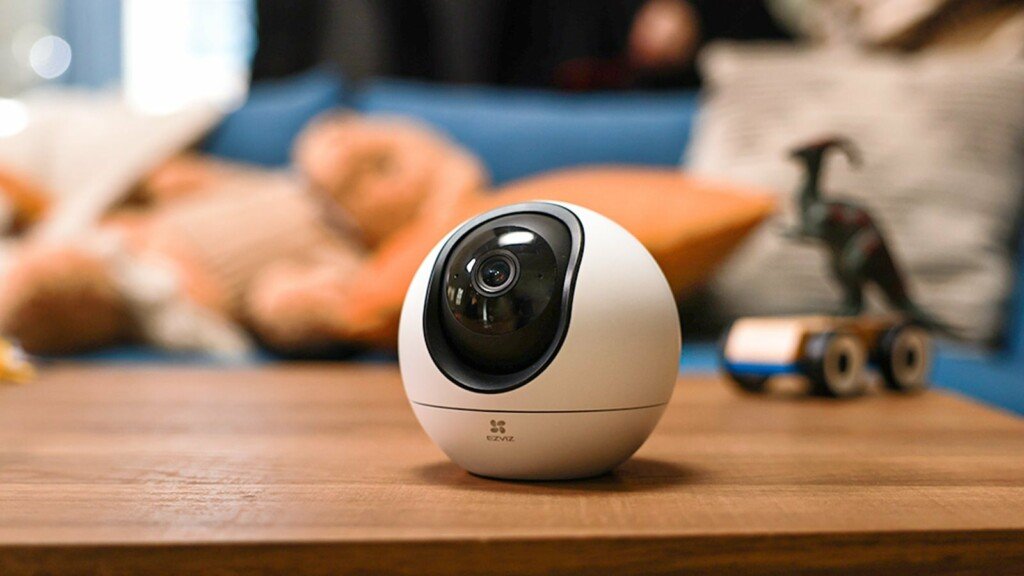
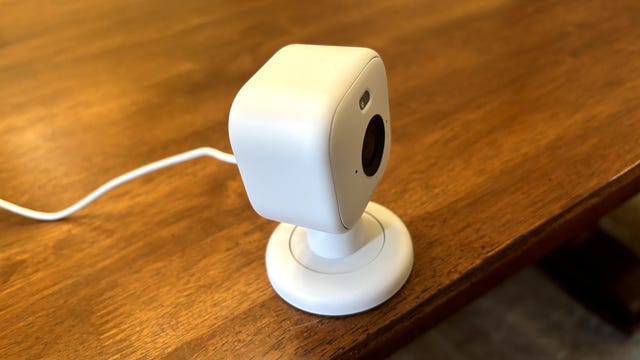
For example, a smart camera might use motion sensors and video analysis to distinguish between family members, pets, and strangers. Over time, it can reduce false alarms and provide more relevant notifications. If you’re interested in how these systems work in a security context, AI remote home monitoring offers a deeper look at real-time surveillance powered by machine learning.
Personalization and User Experience
One of the main advantages of AI-driven devices is their ability to personalize your environment. As gadgets learn your habits, they can:
- Automate repetitive tasks, such as turning off lights when you leave a room.
- Suggest actions based on your schedule, like brewing coffee before your alarm goes off.
- Adjust settings for comfort, security, or energy savings without manual input.
This level of personalization can make daily life smoother, but it also raises questions about control and transparency. Users should be aware of what data is being collected and how it’s used. Many manufacturers now offer dashboards or privacy settings to help you manage your preferences and data sharing.
Privacy and Security Considerations
With the growing ability of AI gadgets to learn from your routines, privacy is a key concern. Devices that collect and analyze personal data must follow strict security protocols to protect users from unauthorized access or misuse. Here are some best practices to keep in mind:
- Choose devices with transparent privacy policies and regular security updates.
- Review and adjust data sharing settings to control what information is stored or sent to the cloud.
- Use strong passwords and enable two-factor authentication where available.
Manufacturers are increasingly aware of these concerns and are building privacy features directly into their products. Still, it’s important for users to stay informed and proactive about their digital footprint.
Real-World Examples of Adaptive AI Devices
The market for habit-learning gadgets is expanding quickly. Some notable examples include:
- Smart thermostats like the Google Nest, which learn your schedule and adjust heating or cooling automatically.
- Leak detectors that monitor water use and send alerts if unusual patterns are detected.
- Voice assistants that remember your preferences for news, music, or reminders.
- Security cameras that distinguish between familiar faces and strangers, reducing unnecessary notifications.
For a broader look at the latest portable AI devices, check out this overview of innovative AI gadgets that are changing how people interact with technology on the move.
Benefits and Challenges of Habit-Learning Technology
There are clear advantages to having devices that adapt to your lifestyle:
- Convenience: Automation saves time and effort.
- Efficiency: Optimized energy use and resource management.
- Personalization: Tailored experiences based on your unique habits.
However, challenges remain:
- Privacy: Balancing data collection with user control.
- Security: Protecting sensitive information from breaches.
- Transparency: Ensuring users understand how their data is used.
As AI technology continues to evolve, manufacturers and consumers alike will need to address these issues to maximize the benefits while minimizing risks.
Integrating AI Gadgets Into Your Home
If you’re considering adding adaptive devices to your home, start by identifying your needs. Do you want to save energy, improve security, or simply make daily routines easier? Look for products that offer clear privacy controls and regular updates. For students and DIY enthusiasts, exploring AI smart home project ideas can be a great way to learn about the technology and customize solutions for your space.
As more devices become interconnected, the potential for seamless automation grows. For example, integrating AI battery management systems for homes with other smart gadgets can further optimize energy use and provide backup during outages.
FAQ
How do AI gadgets learn my habits?
AI-powered devices use sensors and software to collect data about your actions, such as when you turn on lights or adjust the thermostat. Machine learning algorithms analyze this data to identify patterns, allowing the device to anticipate your needs and automate tasks over time.
Can I control what data my smart devices collect?
Most modern AI gadgets offer privacy settings that let you manage what information is collected, stored, or shared. It’s important to review these settings and choose devices from reputable manufacturers that provide clear privacy policies and regular security updates.
Are there risks to letting devices learn from my routines?
While adaptive technology offers convenience and efficiency, it also introduces privacy and security risks. Always use strong passwords, enable security features, and stay informed about how your data is being used. Choose products that prioritize transparency and user control.
What are some examples of adaptive AI devices for the home?
Examples include smart thermostats that adjust temperatures based on your schedule, leak detectors that alert you to unusual water use, and voice assistants that personalize responses based on your preferences. These devices use machine learning to improve their performance over time.