Adopting eco friendly smart lighting is one of the most effective ways to make your home more sustainable while reducing energy bills. Smart lighting systems combine advanced technology with energy-efficient design, allowing you to control and optimize your lighting for both comfort and environmental responsibility. This guide explores how to select, install, and maximize the benefits of intelligent, sustainable lighting solutions for your living space.
Whether you’re upgrading a single room or transforming your entire home, understanding the principles behind green smart lighting can help you make informed choices. We’ll cover the essential features, practical tips, and the latest innovations that make these systems a cornerstone of modern, eco-conscious living. For those interested in the financial impact, you can also explore smart lighting for reducing electricity bills to see how these solutions can help you save monthly.
Why Choose Sustainable Smart Lighting?
Switching to smart lighting with an eco-friendly focus offers several advantages beyond just convenience. Here’s why more homeowners are making the transition:
- Energy Efficiency: Smart bulbs and fixtures use LED technology, which consumes up to 80% less energy than traditional incandescent bulbs.
- Automated Controls: Scheduling, motion sensors, and remote access help eliminate wasted electricity by ensuring lights are only on when needed.
- Longer Lifespan: LEDs and smart devices typically last much longer than standard bulbs, reducing waste and replacement costs.
- Lower Carbon Footprint: Reduced energy use translates directly into fewer greenhouse gas emissions.
For a deeper look at the financial benefits, the smart lighting cost savings guide provides strategies to lower your utility bills even further.
Key Features of Eco-Conscious Smart Lighting Systems
When evaluating options for your home, prioritize features that enhance both sustainability and user experience. Here are the most important elements to consider:
- LED Technology: Look for bulbs and fixtures that are ENERGY STAR certified or have high lumens-per-watt ratings.
- Smart Sensors: Motion and occupancy sensors ensure lights turn off automatically in unoccupied rooms.
- Scheduling & Automation: Set routines for lights to turn on or off based on time of day or sunrise/sunset cycles.
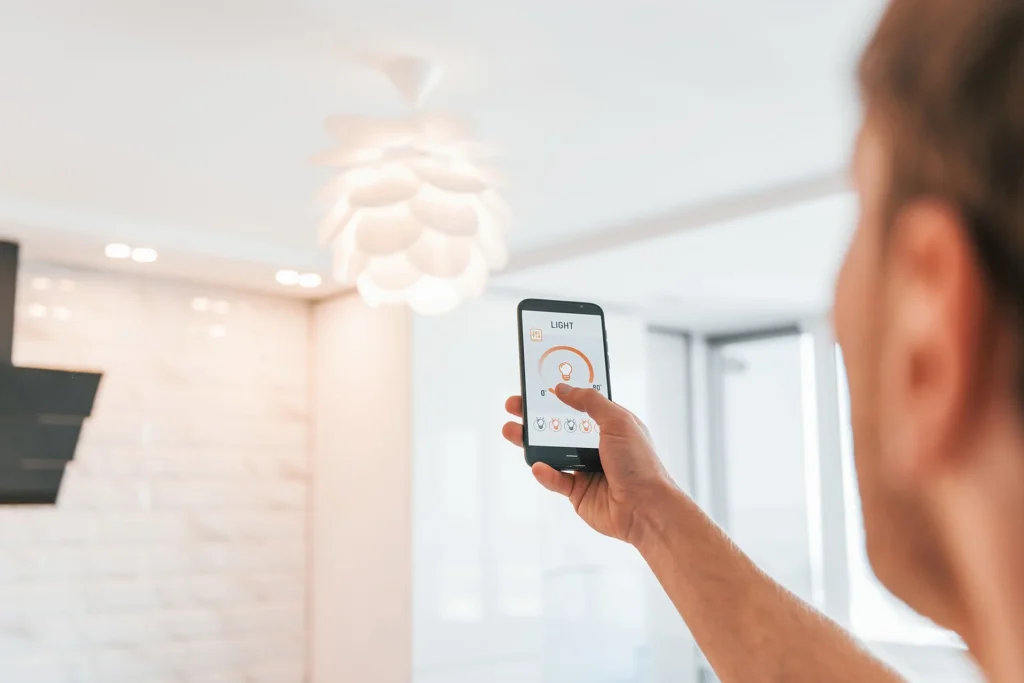
- Remote & Voice Control: Manage lighting from your smartphone or with voice assistants, reducing unnecessary usage.
- Integration with Other Smart Devices: Connect lighting to thermostats, security systems, or energy monitors for a holistic approach to sustainability.
For those interested in building a fully connected home, the smart lighting ecosystem guide explains how to integrate lighting with other smart technologies.

How to Set Up a Green Smart Lighting System
Getting started with sustainable smart lighting doesn’t have to be complicated. Follow these steps to ensure your setup is both energy-efficient and user-friendly:
- Assess Your Current Lighting: Identify which rooms or fixtures use the most energy and prioritize them for upgrades.
- Choose Compatible Devices: Select smart bulbs, switches, and hubs that work with your preferred ecosystem (such as Google Home, Amazon Alexa, or Apple HomeKit).
- Install and Connect: Replace old bulbs with LED smart bulbs and connect them to your home Wi-Fi or smart hub.
- Configure Automation: Set up schedules, scenes, and automation rules to optimize usage and minimize waste.
- Monitor and Adjust: Use built-in analytics or third-party apps to track energy use and refine your settings for maximum efficiency.
For more detailed advice on optimizing schedules for both convenience and safety, see the smart lighting scheduling tips article.
Best Practices for Maximizing Sustainability
To get the most out of your eco-friendly lighting system, consider these practical strategies:
- Group Lights by Zone: Control multiple fixtures together to avoid lighting empty spaces.
- Utilize Dimming Features: Lower brightness levels where full illumination isn’t needed, further reducing power consumption.
- Take Advantage of Daylight: Use sensors or schedules that adjust lighting based on natural light availability.
- Regular Maintenance: Keep bulbs and fixtures clean for optimal performance and longevity.
- Educate Household Members: Ensure everyone understands how to use the system efficiently.
To master the controls and get the most from your setup, check out smart lighting app features explained for a breakdown of key app functionalities.
Comparing Top Eco-Friendly Smart Lighting Brands
Several brands stand out for their commitment to sustainability and innovation. Here’s a quick comparison of popular options:
| Brand | Key Features | Eco Credentials |
|---|---|---|
| Philips Hue | Wide compatibility, robust app, color options | ENERGY STAR certified, recyclable packaging |
| Kasa Smart | Affordable, easy setup, voice control | LED efficiency, long lifespan |
| LIFX | No hub required, vibrant colors | High lumens-per-watt, low standby power |
Each of these brands offers unique strengths, but all prioritize energy savings and user convenience. For a broader overview of benefits, see this article on the advantages of smart lighting.
Integrating Smart Lighting with Other Sustainable Technologies
For maximum impact, consider pairing your lighting system with other eco-friendly home technologies:
- Smart Thermostats: Coordinate lighting and climate control for optimal comfort and efficiency.
- Solar Panels: Power your smart lights with renewable energy for a truly green solution.
- Home Energy Monitors: Track real-time energy usage and identify further opportunities for savings.
Building an integrated, sustainable home ecosystem ensures that every device works together to minimize waste and maximize comfort.
Frequently Asked Questions
What makes smart lighting eco-friendly?
Smart lighting is considered eco-friendly because it uses energy-efficient LED bulbs, offers automation features to reduce unnecessary usage, and often integrates with sensors and schedules to further cut down on waste. These systems help lower your home’s overall energy consumption and carbon footprint.
How much can I save on my electricity bill with smart lighting?
Switching to smart lighting can reduce lighting-related energy use by up to 50–80%, depending on your previous setup and how effectively you use automation and scheduling. For more details, refer to the smart lighting cost savings guide.
Can I install eco-friendly smart lighting myself?
Most smart bulbs and switches are designed for easy DIY installation. Simply replace your existing bulbs with smart LEDs, connect them to your Wi-Fi or hub, and follow the manufacturer’s app instructions for setup. For more advanced features like whole-home automation or integration with other systems, you may want to consult a professional.
Conclusion
Embracing eco friendly smart lighting is a practical and impactful way to support sustainable living. By choosing the right products, leveraging automation, and integrating with other smart home technologies, you can enjoy a comfortable, efficient, and environmentally responsible home. Start small or go all-in—the benefits for your wallet and the planet are clear.