Living off the grid in a tropical climate offers both unique rewards and complex hurdles. The lush environment provides abundant natural resources, but also brings intense weather, rapid plant growth, and persistent pests. For those considering a move toward tropical off-grid homesteading, understanding the realities and preparing with practical strategies is essential for long-term success.
Whether you’re new to self-sufficient living or looking to refine your setup, this guide explores the main obstacles and actionable solutions for thriving in a remote, humid environment. For a broader perspective on the transition process, you might find transitioning to off-grid life a helpful resource as well.
Climate Realities in Humid Environments
The tropical climate is characterized by high humidity, heavy rainfall, and intense sunlight. These factors can affect everything from building materials to daily routines. Structures must be designed to withstand moisture and allow for proper ventilation. Mold, mildew, and rot can quickly become issues if not managed proactively.
- Ventilation: Incorporate wide eaves, screened windows, and raised floors to promote airflow and reduce indoor humidity.
- Material Selection: Use rot-resistant woods, galvanized metals, or concrete to minimize decay.
- Rainwater Management: Install gutters and rainwater catchment systems to control runoff and maximize water collection.
Water Sourcing and Purification Strategies
Reliable water access is a cornerstone of any off-grid lifestyle. In tropical regions, rainfall is abundant but can be unpredictable. Storing and purifying water is critical for health and daily living.
- Rainwater Harvesting: Set up large tanks or cisterns to collect water from rooftops during the wet season.
- Filtration: Use multi-stage filters or UV purification to ensure water is safe for drinking and cooking.
- Backup Sources: Consider wells or springs as secondary options, especially during dry spells.
For those interested in modern solutions, exploring smart tech for off-grid homes can reveal innovative water monitoring and filtration systems tailored for remote environments.
Food Production and Garden Management
Growing food in a tropical off-grid setting can be both productive and challenging. The rapid growth of plants is matched by the speed at which weeds and pests can take over. Planning and maintenance are crucial for a sustainable harvest.
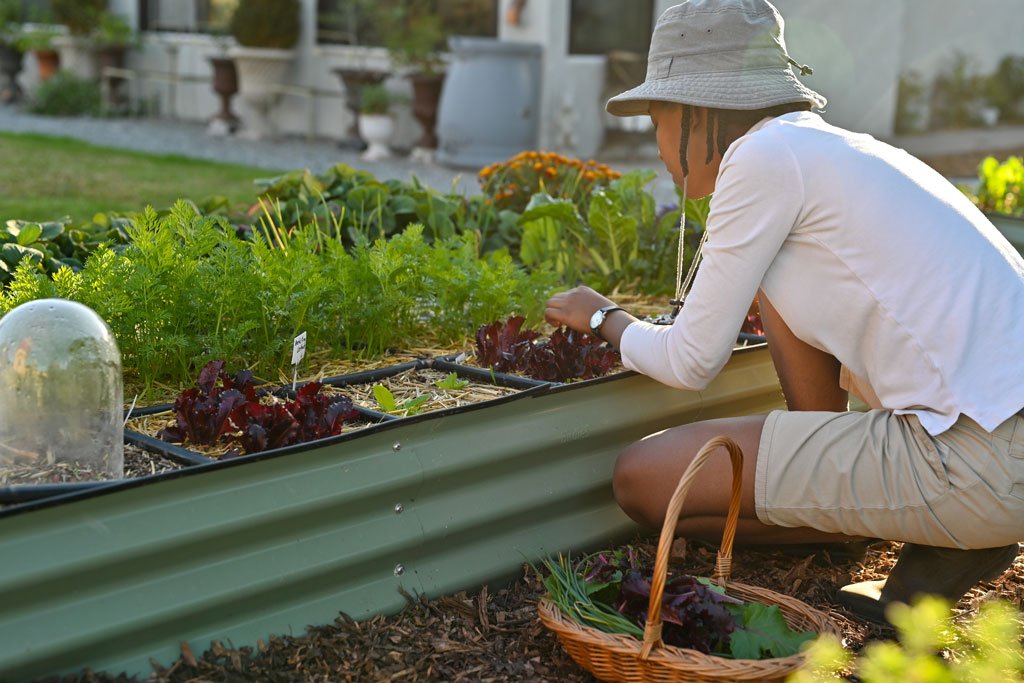
- Raised Beds: Elevate gardens to improve drainage and reduce soil-borne diseases.
- Mulching: Apply thick organic mulch to suppress weeds and retain soil moisture.
- Crop Selection: Opt for heat-tolerant, disease-resistant varieties suited to local conditions.
- Integrated Pest Management: Use natural predators, barriers, and crop rotation to minimize chemical use.
Investing in durable garden infrastructure, such as raised beds, can save time and increase yields. For those looking to upgrade their setup, see the options above for effective solutions.
Energy Generation and Storage in the Tropics
Consistent sunshine makes solar power a logical choice for many off-grid homesteads in humid climates. However, heavy rains and cloud cover can still impact energy production.
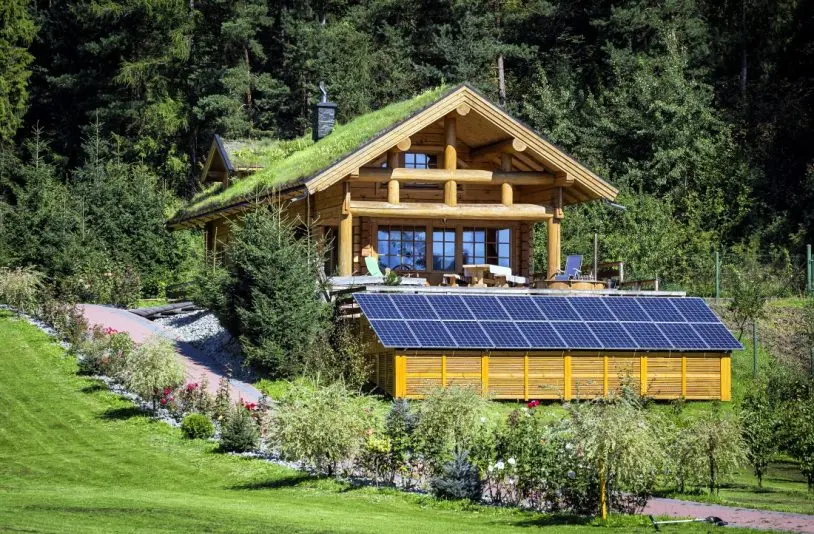
- Solar Panels: Install at optimal angles and keep them clean of debris and mold.
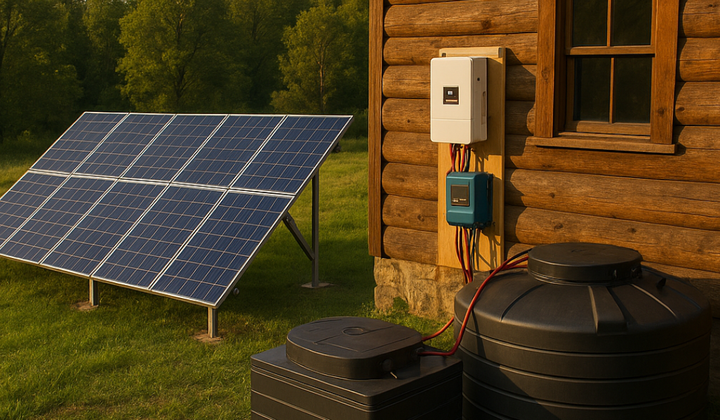
- Battery Storage: Use sealed batteries to prevent moisture damage and ensure reliable power during storms.
- Backup Generators: Consider fuel-efficient generators for extended cloudy periods or emergencies.
For a look at how technology can streamline daily life in remote areas, check out modern off-grid homesteading for inspiration and practical advice.
Animal Care and Livestock Protection
Raising animals in a tropical environment requires extra vigilance. Heat, humidity, and predators can threaten livestock health and safety.
- Ventilated Shelters: Build coops and pens with ample airflow to prevent heat stress.
- Secure Fencing: Use sturdy materials to keep out snakes, wild dogs, and other predators.
- Automated Systems: Consider smart coop doors and feeders to reduce labor and improve animal welfare.
Upgrading to automated solutions can make animal care more manageable, especially during the hottest months.
Dealing with Pests and Disease
The warm, wet conditions of the tropics create ideal breeding grounds for insects, rodents, and plant diseases. Staying ahead of these threats is vital for both comfort and productivity.
- Physical Barriers: Use netting, screens, and fencing to keep pests away from crops and living spaces.
- Natural Repellents: Plant pest-repelling herbs and use organic sprays to minimize infestations.
- Routine Inspections: Check gardens, animal enclosures, and storage areas regularly for early signs of trouble.
Learning from other homesteaders’ experiences can be invaluable. For real-world examples, see off-grid living success stories for practical lessons and inspiration.
Community, Resilience, and Financial Considerations
While self-sufficiency is a core goal, building connections with neighbors and local communities can provide crucial support, especially during emergencies or natural disasters. Bartering, sharing resources, and exchanging knowledge help strengthen resilience.
Financial planning is also important. While some aim to live with minimal expenses, initial setup costs for infrastructure, tools, and supplies can be significant. For those interested in minimizing costs, tips on living off the grid with little or no money offer creative strategies to get started.
Adapting to the Rural Off-Grid Lifestyle
Adjusting to life in a remote, humid environment requires patience and flexibility. Daily routines shift with the seasons, and unexpected challenges are common. Embracing a mindset of continuous learning and adaptation is key.
For a deeper look at what to expect, rural off-grid lifestyle explores the pros, cons, and realities of this unique way of living.
Frequently Asked Questions
What are the biggest challenges of tropical off-grid living?
The main difficulties include managing high humidity, protecting against pests and diseases, ensuring reliable water and energy supplies, and maintaining structures in a harsh climate. Planning and regular maintenance are essential for overcoming these obstacles.
How can I keep my garden productive in a tropical climate?
Use raised beds for better drainage, apply thick mulch to control weeds, select crops suited to heat and humidity, and practice crop rotation. Regular monitoring and integrated pest management help maintain healthy plants.
Is it possible to live off-grid in the tropics with minimal money?
While initial investments are often necessary, it is possible to reduce ongoing costs by using salvaged materials, bartering, and focusing on low-cost, high-yield projects. For more ideas, see practical advice for low-budget off-grid living.