Building a more independent lifestyle is increasingly appealing for those seeking resilience, sustainability, and a deeper connection to the land. Whether you dream of growing your own food, raising animals, or simply reducing reliance on outside systems, starting a homestead can be both rewarding and challenging. This self-sufficient homestead guide is designed to help beginners lay a solid foundation, covering essential skills, planning tips, and practical steps to get started.
Before diving into the details, it’s important to recognize that self-reliant living is a journey, not a destination. Each step you take—no matter how small—brings you closer to your goals. For those interested in preparedness, exploring topics like off-grid medical preparedness can further strengthen your homestead’s resilience.
Getting Started: Planning Your Homestead Journey
The first step toward a more independent lifestyle is thoughtful planning. Consider your goals, available resources, and the unique challenges of your location. Are you aiming for complete food independence, or do you want to supplement your current lifestyle with homegrown produce and eggs? Start by listing your priorities and assessing your land, climate, and budget.
- Location and Land: Evaluate soil quality, water sources, sunlight, and local zoning laws. Even a small backyard can support a productive garden or a few chickens.
- Budgeting: Factor in costs for tools, seeds, fencing, and infrastructure. Start small to avoid becoming overwhelmed financially or physically.
- Skill Assessment: Identify areas where you need to learn more, such as gardening, animal care, or basic carpentry.
For those in tropical or challenging climates, learning from others’ experiences—like the insights in tropical off-grid homesteading—can help you adapt your plans for success.
Essential Skills for a Self-Reliant Lifestyle
Developing practical abilities is key to thriving on your own land. Focus on core competencies that support your independence and reduce reliance on outside systems.
Food Production and Preservation
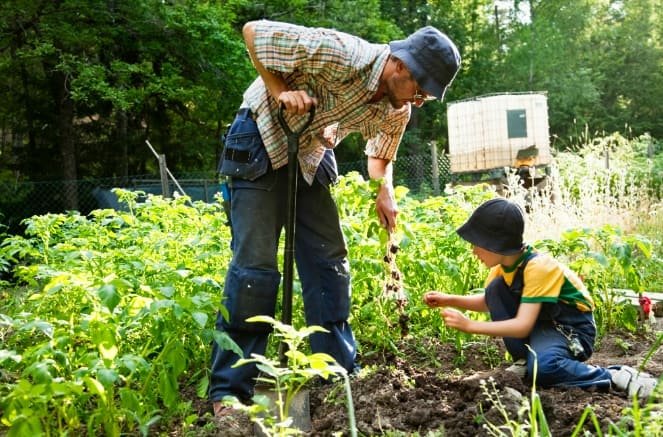
Growing your own food is at the heart of any self-sufficient homestead guide. Start with a manageable garden, choosing crops that thrive in your region. Learn about composting, crop rotation, and organic pest control. As you gain experience, consider expanding into fruit trees, berry bushes, or perennial vegetables.
Preserving your harvest through canning, dehydrating, or fermenting ensures you have food year-round. These skills not only reduce waste but also save money and increase your food security.

Raising Animals for Food and Resources
Chickens are often the first livestock for new homesteaders, providing eggs, meat, and natural pest control. Goats, rabbits, and bees are also popular choices, each offering unique benefits. Research the needs of each species and start with a manageable number to ensure proper care.
Investing in quality infrastructure, such as predator-proof coops and secure fencing, protects your animals and your investment. As you gain confidence, you can expand your livestock and diversify your homestead’s resources.
Water Management and Conservation
Reliable water access is critical for both plants and animals. Rainwater harvesting, drip irrigation, and mulching are effective ways to conserve water and reduce dependence on municipal supplies. Test your water sources regularly and consider filtration or purification methods if needed.
Building Sustainable Systems
Creating a resilient homestead means thinking beyond daily chores. Design systems that work together to minimize waste and maximize efficiency.
- Composting: Turn kitchen scraps and yard waste into nutrient-rich soil amendments.
- Renewable Energy: Solar panels, wind turbines, or micro-hydro systems can reduce or eliminate your reliance on the grid.
- Natural Building: Use local materials and passive design principles to create energy-efficient structures.
For those interested in integrating technology, resources like smart tech for off-grid homes offer guidance on balancing tradition with innovation.

Preparedness and Security for Homestead Living
True self-reliance includes being ready for emergencies. Develop a plan for power outages, natural disasters, and medical situations. Stock up on essential supplies, maintain a first-aid kit, and learn basic emergency skills.
For a deeper dive into readiness, the disaster preparedness off-grid resource offers practical advice for handling unexpected events while living independently.
Learning from Others and Continuous Improvement
No two homesteads are alike, and every journey is unique. Connect with local groups, attend workshops, and read widely to expand your knowledge. Online communities and resources, such as this self-sufficient homestead guide, provide valuable support and inspiration.
If you’re interested in taking your independence even further, you might explore guides on living off the grid with minimal resources. These resources can help you adapt and thrive, no matter your starting point.
Frequently Asked Questions
What is the first step to becoming more self-sufficient?
Begin by assessing your current skills, resources, and goals. Start small—such as growing a few vegetables or raising chickens—and gradually expand as you gain experience and confidence.
How much land do I need for a productive homestead?
You don’t need a large property to make progress. Many people start with a backyard garden or a small plot. The key is to use your available space efficiently and choose projects that fit your environment and lifestyle.
What are some common challenges for beginners?
New homesteaders often face challenges like poor soil, unpredictable weather, and learning new skills. Planning, ongoing education, and connecting with experienced homesteaders can help you overcome these obstacles.
How can I balance technology with traditional homesteading?
Many modern homesteaders use technology to improve efficiency and safety. Solar power, automated watering systems, and smart coops can all be integrated without sacrificing the core values of self-reliance.
Embarking on a self-reliant lifestyle is a rewarding commitment. By starting with clear goals, building essential skills, and connecting with a supportive community, you can create a thriving, resilient homestead that meets your needs and adapts to changing times.