Living away from urban centers brings unique rewards, but it also means taking full responsibility for your own safety and health. When traditional healthcare access is limited or unavailable, being ready for medical emergencies becomes essential. Off-grid medical preparedness involves more than just having a first aid kit—it’s about building knowledge, assembling the right supplies, and developing practical skills to handle a wide range of situations.
Whether you’re a seasoned homesteader or just beginning your journey toward self-sufficiency, understanding how to respond to injuries and illnesses without immediate outside help is a crucial part of resilient living. For those interested in broader strategies for remote living, the disaster preparedness off-grid guide offers additional context on preparing for unexpected events.
Why Self-Reliance in Health Matters Off the Grid
When you live far from hospitals and clinics, every minute counts during a medical crisis. Roads might be impassable, communication lines could be down, or help may simply be hours away. This reality makes off-grid medical preparedness a cornerstone of sustainable, independent living.
Being prepared means you can stabilize injuries, manage common illnesses, and prevent minor issues from escalating. It also reduces anxiety, knowing you have the tools and know-how to respond effectively when needed.
Essential Supplies for Remote Medical Readiness
Building a comprehensive medical kit is the foundation of any emergency plan. While every homestead has unique needs, there are universal items that should be included for effective off-grid medical preparedness:
- First Aid Basics: Adhesive bandages, gauze pads, medical tape, antiseptic wipes, and antibiotic ointment.
- Wound Care: Sterile dressings, saline solution, tweezers, scissors, and wound closure strips.
- Pain and Fever Relief: Ibuprofen, acetaminophen, and cold packs.
- Burn Treatment: Burn gel, non-stick dressings, and aloe vera.
- Splinting Supplies: SAM splints, elastic bandages, and triangular bandages for immobilization.
- Personal Medications: A supply of prescription medicines, allergy treatments, and emergency inhalers if needed.
- Tools: Thermometer, flashlight, headlamp, and extra batteries.
- Reference Materials: A reliable first aid manual or printed guides for quick reference.
Consider the specific risks of your environment—snake bites, insect stings, or extreme weather injuries—and tailor your kit accordingly. For more on adapting to different climates and challenges, see the tropical off-grid homesteading resource.
Building Medical Skills for Remote Living
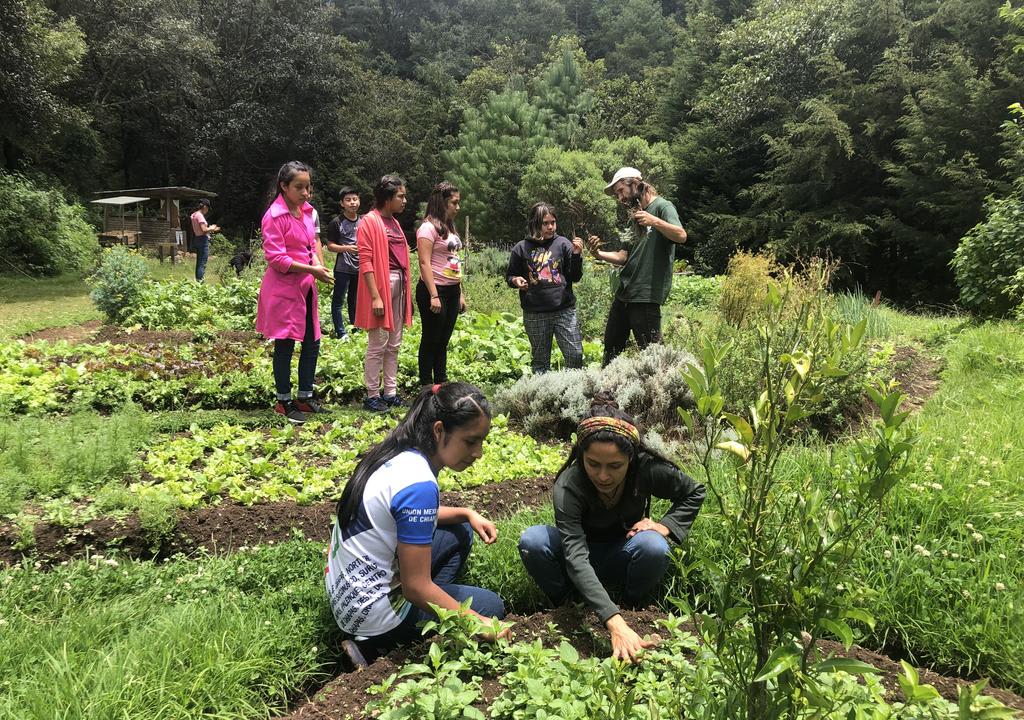
Having supplies is only half the equation; knowing how to use them is equally important. Practical skills empower you to respond confidently when emergencies arise. Here are some core competencies every off-grid resident should develop:
- Basic First Aid: Learn to clean and dress wounds, stop bleeding, and recognize signs of infection.
- CPR and Rescue Breathing: These lifesaving techniques are vital for cardiac or respiratory emergencies.
- Splinting and Immobilization: Properly stabilize fractures or sprains to prevent further injury.
- Burn and Shock Management: Understand how to cool burns and treat for shock until advanced care is available.
- Recognizing Serious Illness: Identify symptoms that require urgent evacuation, such as severe allergic reactions or stroke.
Many organizations offer wilderness first aid or remote medicine courses, which are tailored for those living far from immediate help. Investing time in these trainings can make a significant difference during a crisis.
Adapting Medical Preparedness to Your Environment
No two off-grid locations are the same. Climate, wildlife, terrain, and distance from help all influence your emergency planning. For example, those in humid or tropical regions may need to focus on waterborne illnesses and insect-borne diseases, while colder climates present risks like hypothermia and frostbite.
It’s also wise to consider the needs of all household members, including children, elderly relatives, and pets. Keep medical histories and allergy information accessible, and rotate supplies to ensure nothing expires.
Leveraging Technology and Community Resources
While living off the grid often means less reliance on modern infrastructure, technology can still play a role in your emergency planning. Solar-powered radios, satellite messengers, and offline medical apps can provide valuable information and communication options when traditional networks fail. For more on integrating technology into remote living, see the smart tech for off-grid homes overview.
Don’t overlook the value of community. Building relationships with nearby neighbors, local first responders, and regional clinics can provide support and backup when you need it most. Consider forming mutual aid agreements or participating in local preparedness groups.
Maintaining Your Medical Supplies and Knowledge
Regular maintenance of your emergency kit and skills is essential. Check supplies every few months, replace expired medications, and update your knowledge with refresher courses or new resources. Keeping a written inventory and schedule can help you stay organized.
For those interested in a broader perspective on sustainable living, the Greener Wisdom blog on off-grid living offers additional insights into building resilience and self-reliance in remote environments.
Frequently Asked Questions
What are the most important items to include in an off-grid medical kit?
Focus on wound care supplies, pain and fever reducers, burn treatments, splinting materials, and any personal prescription medications. Include tools like a thermometer, flashlight, and a reliable first aid manual. Adapt your kit to local risks such as wildlife, climate, and distance from help.
How can I learn the skills needed for medical emergencies when living remotely?
Enroll in wilderness first aid or remote medicine courses, which teach practical skills for stabilizing injuries and managing illnesses when professional help is delayed. Many organizations offer in-person and online options tailored for off-grid situations.
How often should I check and update my emergency medical supplies?
Review your kit at least every three to six months. Replace expired medications, restock used items, and update your supplies based on seasonal risks or changes in household members’ health needs.
Conclusion
Taking responsibility for your health is a key part of thriving in remote environments. By assembling the right supplies, developing practical skills, and staying connected with resources and community, you can handle most medical emergencies with confidence. For more tips on adapting to independent living, explore the transitioning to off-grid life guide or learn about modern off-grid homesteading solutions.