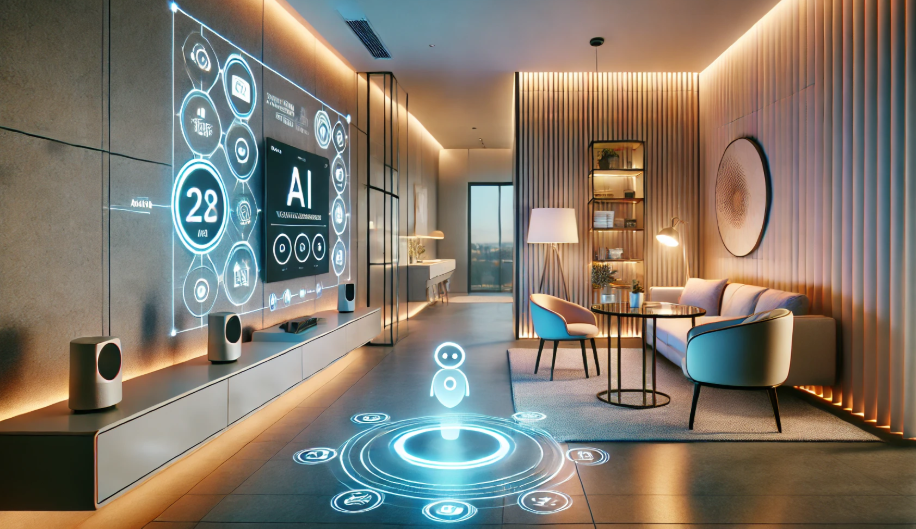
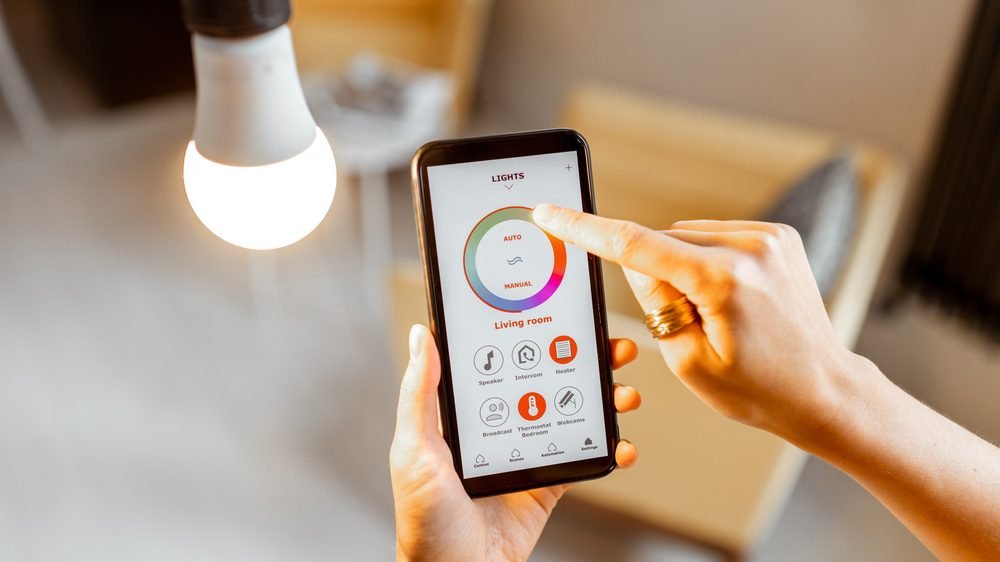
Modern homes are becoming more connected, and lighting is at the forefront of this transformation. Smart lighting automation ideas can help you save time, reduce energy costs, and create a more comfortable living environment. By integrating intelligent lighting solutions, you can control your home’s ambiance, security, and efficiency with minimal effort. Whether you’re new to smart home technology or looking to expand your setup, there are practical ways to make your daily routines easier and your spaces more inviting.
Before diving into specific automation strategies, it’s important to understand how smart lighting fits into the broader home automation ecosystem. For those seeking a comprehensive overview, the smart lighting integration guide offers detailed steps for connecting lighting with other devices and platforms.
Why Automate Your Home Lighting?
Automated lighting isn’t just about convenience. It’s a powerful tool for improving energy efficiency, enhancing security, and personalizing your living space. By using smart bulbs, switches, and sensors, you can:
- Reduce energy waste by ensuring lights are only on when needed.
- Boost home security with scheduled or motion-triggered lighting.
- Customize lighting scenes for activities like reading, relaxing, or entertaining.
- Control lights remotely, whether you’re at home or away.
For a deeper look at the advantages, check out this summary of smart lighting benefits from industry experts.
Top Smart Lighting Automation Ideas for Everyday Living
There are countless ways to use automation to make your lighting smarter. Below are some of the most effective and popular strategies for simplifying your daily routines and enhancing your home’s atmosphere.
1. Motion-Activated Lighting for Entryways and Hallways
Installing motion sensors in entryways, hallways, or staircases ensures that lights turn on automatically when someone enters the area. This is especially helpful at night or when your hands are full. You can adjust sensitivity and timing to suit your needs, reducing unnecessary energy use while improving safety and convenience.
2. Schedule-Based Lighting for Routines
Automating lights based on schedules is one of the simplest yet most effective approaches. Set your bedroom lights to gradually brighten in the morning as a wake-up cue, or program living room lamps to dim at bedtime. Scheduling helps reinforce healthy routines and ensures lights are never left on by accident.
For those interested in integrating lighting with other smart devices, the smart lighting for home automation resource provides essential tips for seamless operation.
3. Scene Creation for Activities and Moods
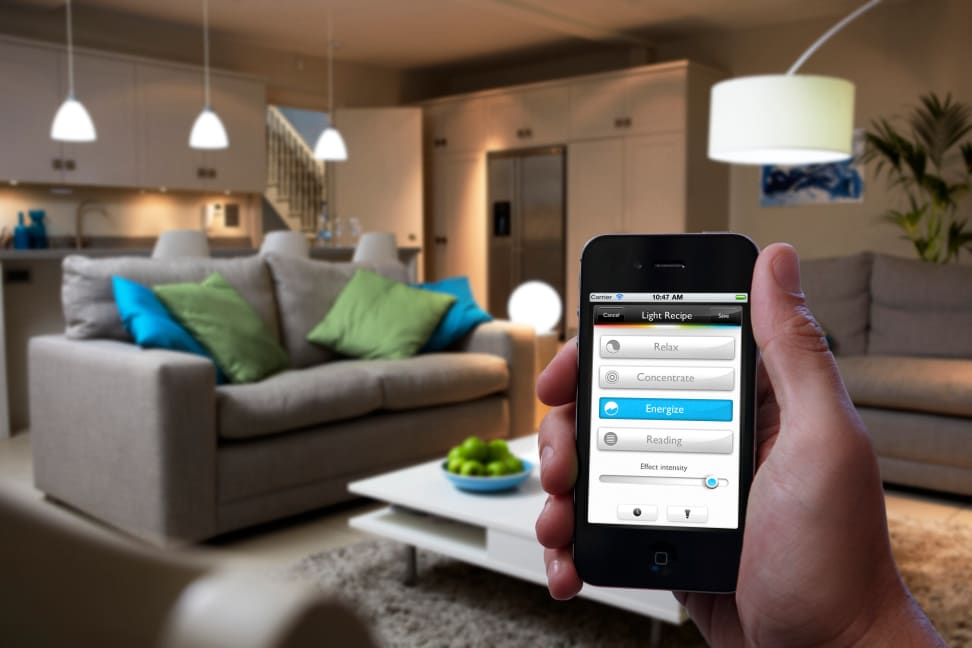
Smart lighting platforms allow you to create custom scenes—preset combinations of brightness and color temperature—for different activities. For example, a “Movie Night” scene can dim the lights and add a warm hue, while a “Focus” scene can brighten your workspace. These scenes can be triggered by voice, app, or automation rules, making it easy to set the right mood with a single command.
4. Geofencing for Arrival and Departure
Geofencing uses your smartphone’s location to automate lighting when you arrive home or leave. When you pull into the driveway, porch and hallway lights can turn on automatically. When you leave, all lights can switch off to save energy. This not only adds convenience but also enhances security by making your home appear occupied.
5. Adaptive Lighting for Natural Rhythms
Some advanced systems adjust lighting throughout the day to mimic natural sunlight. Morning lights are cooler and brighter, while evening lights become warmer and softer. This supports your circadian rhythm, helping you feel more alert during the day and relaxed at night. Adaptive lighting can be set up using compatible bulbs and controllers, and it’s especially useful in rooms without much natural light.
Getting Started with Smart Lighting Devices
Choosing the right products is key to a smooth automation experience. Popular options include smart bulbs, switches, plugs, and motion sensors. When selecting devices, consider compatibility with your preferred voice assistant (such as Alexa, Google Assistant, or Apple HomeKit) and ensure they work with your home’s existing wiring and Wi-Fi network.
If you’re unsure about compatibility, the smart lighting compatibility guide can help you avoid common pitfalls. For troubleshooting tips, refer to the smart lighting troubleshooting tips article.
Tips for Maximizing the Benefits of Automated Lighting
- Group lights by room or activity to simplify control and scene creation.
- Use dimmers to fine-tune brightness and save energy.
- Integrate lighting with other smart devices, such as thermostats and security systems, for a unified experience.
- Regularly update device firmware to access new features and maintain security.
- Take advantage of energy reports and usage analytics to identify savings opportunities.
For long-term performance, follow the smart lighting maintenance guide to keep your bulbs and fixtures in top condition.
FAQ: Smart Lighting Automation
What do I need to start automating my home lighting?
To begin, you’ll need compatible smart bulbs or switches, a reliable Wi-Fi network, and a smartphone or tablet for setup. Many systems also work with voice assistants for hands-free control. Optional accessories like motion sensors and smart plugs can further expand your automation options.
Can smart lighting help lower my electricity bills?
Yes, automated lighting can significantly reduce energy consumption by ensuring lights are only on when needed. Features like scheduling, motion activation, and remote control help eliminate waste and optimize usage patterns, leading to lower utility costs over time.
Is it difficult to install and set up smart lighting devices?
Most smart bulbs simply screw into existing fixtures and connect via an app. Smart switches may require basic wiring, but many models are designed for DIY installation. Setup typically involves connecting devices to your Wi-Fi and configuring automation rules through a user-friendly app interface.
Conclusion
Implementing smart lighting automation ideas can transform your home, making it more efficient, secure, and comfortable. From motion-activated entryway lights to adaptive routines that match your lifestyle, there are solutions for every need and budget. By choosing the right devices and exploring creative automations, you’ll enjoy a more convenient and enjoyable living environment.