Smart lighting has quickly become one of the most popular upgrades for modern homes, promising convenience, energy savings, and a touch of futuristic flair. However, it’s important to approach these systems with a clear understanding of what they can and cannot do. This smart lighting expectations guide is designed to help you set achievable goals, avoid common pitfalls, and make the most of your investment.
Before diving into the details, it’s helpful to familiarize yourself with some of the smart lighting glossary terms that often come up when researching or installing these systems. Knowing the basics will make it easier to evaluate features, compare products, and communicate with installers or support teams.

Understanding the Capabilities of Smart Lighting
When considering a transition to automated lighting, it’s easy to be swept up by marketing claims and futuristic promises. While these systems offer impressive features, it’s essential to recognize their true strengths and limitations. This section of the smart lighting expectations guide breaks down what you can realistically expect from today’s products.
- Remote Control: Most smart bulbs and switches allow you to control your lights from a smartphone app, voice assistant, or even remotely when you’re away from home.
- Scheduling and Automation: You can set routines for your lights to turn on or off at specific times, or even trigger them based on motion sensors or sunrise/sunset.
- Energy Efficiency: Many smart lighting systems use LED technology, which is more efficient than traditional bulbs. Automation also helps reduce wasted energy.
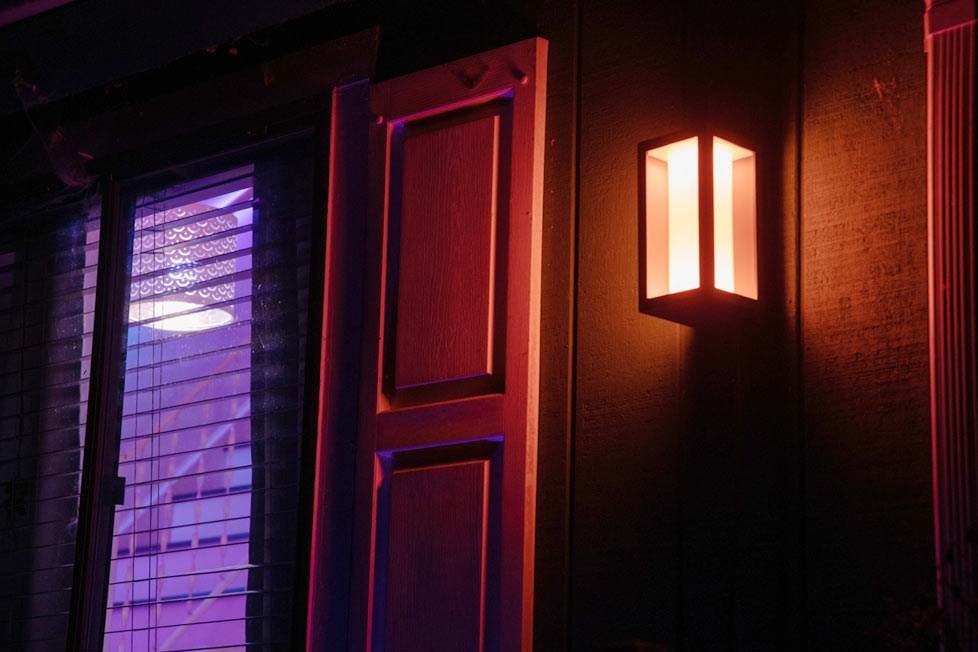
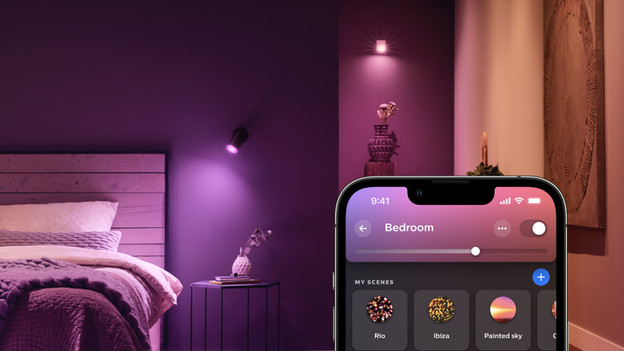
- Color and Brightness Adjustment: Higher-end systems let you fine-tune color temperature and brightness, creating different moods for different times of day or activities.
- Integration with Other Smart Devices: Smart lighting can often be linked with security systems, thermostats, and other connected devices for more comprehensive automation.
For a deeper dive into the advantages and disadvantages, the smart lighting pros and cons guide offers a balanced perspective on whether these solutions are right for your home.
Common Misconceptions and Limitations
Despite the many benefits, there are some common misunderstandings about what smart lighting can deliver. Setting realistic goals starts with knowing where the boundaries are.
- Instant Setup: While some products are plug-and-play, others require a hub, wiring changes, or network configuration. Setup can take time and may need troubleshooting.
- Universal Compatibility: Not all bulbs, switches, and platforms work seamlessly together. Always check compatibility with your existing devices and preferred voice assistants.
- Perfect Reliability: Like all tech, smart lighting can experience glitches, connectivity drops, or firmware issues. For more on this, see smart lighting reliability explained.
- Unlimited Range: Wireless signals can be affected by walls, distance, and interference. Some systems may need range extenders or mesh networks for whole-home coverage.
- Complete Privacy: Any device connected to the internet has potential privacy risks. Be sure to review privacy settings and understand what data is collected.
For a more detailed look at what smart lighting can and cannot do, the smart lighting limitations explained article is a valuable resource.
Setting Practical Goals for Your Smart Lighting Project
To get the most out of your investment, it’s important to set clear, achievable objectives. Here are some practical goals to consider as you plan your upgrade:
- Start Small: Begin with a single room or a few key fixtures. This allows you to learn the system and expand gradually as you become more comfortable.
- Prioritize Functionality: Focus on features that genuinely improve your daily routine, such as automated porch lights, bedroom dimming, or voice-activated controls in the kitchen.
- Balance Aesthetics and Utility: While color-changing bulbs are fun, consider where you truly need them versus where standard dimmable LEDs will suffice.
- Plan for Integration: If you already have other smart home devices, choose lighting products that can work with your existing ecosystem for smoother automation.
- Budget Wisely: Costs can add up quickly. Set a budget and compare options to ensure you’re getting the best value for your needs.
For those concerned about privacy or ongoing costs, the smart lighting user concerns explained guide addresses common questions and offers tips for safe, cost-effective use.
What to Expect During Installation and Setup
Installing smart lighting is usually straightforward, but there are a few things to keep in mind to ensure a smooth process:
- Check Your Wi-Fi: A stable wireless network is essential. If your signal is weak in certain areas, consider upgrading your router or adding extenders.
- Follow Manufacturer Instructions: Each brand and model has its own setup process. Take your time and refer to the official guides or support resources.
- Test Before Expanding: Once your first bulbs or switches are installed, test all features and automations before buying more devices.
- Update Firmware: Manufacturers often release updates to improve performance and security. Check for updates after installation.
If you encounter issues, many brands offer troubleshooting support, and online communities can be a helpful resource for tips and solutions.
Maximizing Benefits and Avoiding Disappointment
To ensure your experience matches your expectations, keep these tips in mind:
- Stay Informed: Technology evolves quickly. Keep up with new features, integrations, and best practices by following reputable sources and manufacturer updates.
- Be Patient: Some trial and error is normal, especially when setting up automations or integrating with other devices.
- Seek Expert Advice: If you’re unsure about wiring or compatibility, consult a professional installer or reach out to customer support.
- Protect Your Privacy: Review privacy policies and settings for each app and device. Use strong passwords and enable two-factor authentication where possible.
For a comprehensive overview of how smart lighting can benefit you, including real-world use cases, see this detailed guide on smart lighting benefits.
Frequently Asked Questions
How much energy can I actually save with smart lighting?
Most smart lighting systems use LED bulbs, which are significantly more energy-efficient than traditional incandescent or halogen bulbs. The ability to automate schedules and turn lights off when not needed can further reduce energy consumption. However, the total savings will depend on your usage patterns and the number of fixtures you automate.
Are smart lighting systems secure?
Security varies by brand and setup. Look for products with strong encryption and regular firmware updates. Always use secure Wi-Fi networks, set strong passwords, and enable two-factor authentication if available. For more on privacy and security, the smart lighting user concerns explained article provides helpful tips.
Can I use smart bulbs with my existing light switches?
In many cases, yes, but it depends on the product. Some smart bulbs require the switch to remain in the “on” position to function, while others can be paired with smart switches for more flexibility. Always check compatibility before purchasing, and consider whether you want to control lights via app, voice, or physical switches.
Conclusion
Adopting smart lighting can bring meaningful improvements to your home, from convenience and energy savings to enhanced ambiance. By setting realistic goals, understanding the technology’s capabilities, and planning your installation carefully, you’ll be well-positioned to enjoy the benefits without frustration. For further reading, explore resources like the limitations explained and reliability explained guides to ensure you’re making informed decisions every step of the way.