Smart lighting has become a staple in modern homes, offering convenience, energy efficiency, and customization options that traditional bulbs can’t match. But as more people consider upgrading to connected lighting, questions about durability and longevity naturally arise. Understanding the smart lighting lifespan explained can help you make informed decisions, budget for replacements, and maximize your investment in home automation.
In this article, we’ll break down how long smart bulbs and fixtures typically last, what factors influence their lifespan, and how they compare to conventional lighting options. We’ll also share practical tips for extending the life of your smart lights and address common concerns about reliability and maintenance. For those interested in the broader context of connected lighting, you may also want to explore the smart lighting learning curve explained for insights on setup and adoption.
What Determines How Long Smart Lights Last?
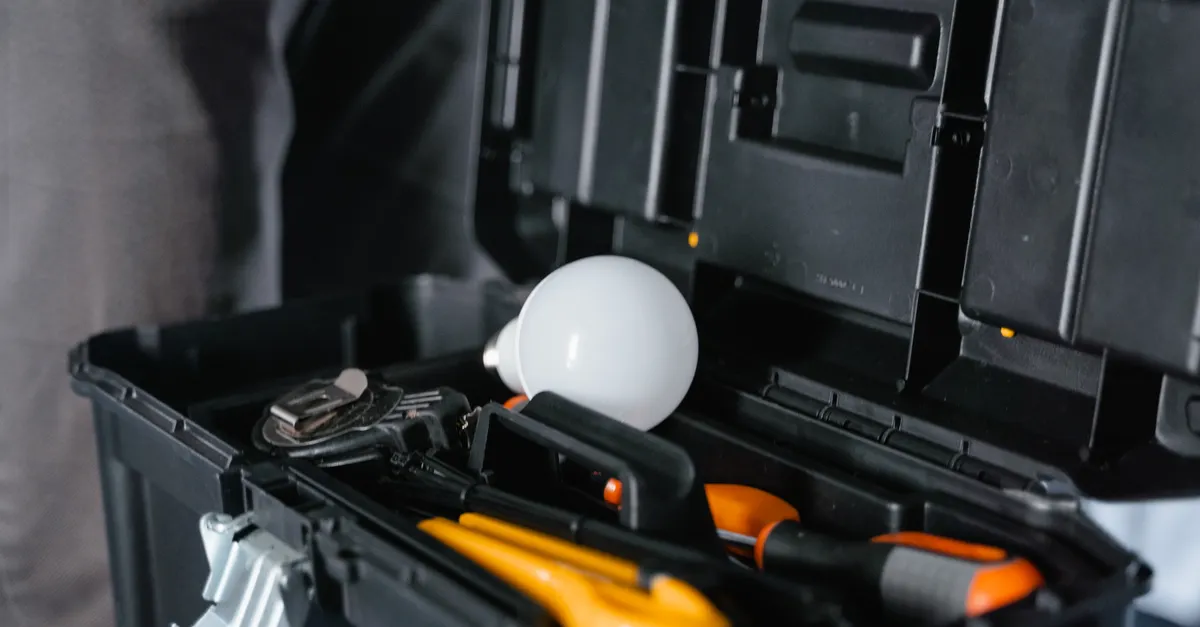
The longevity of smart lighting depends on several factors, including the type of bulb, usage patterns, and environmental conditions. Most smart bulbs use LED technology, which is known for its impressive lifespan compared to incandescent or CFL bulbs. However, the integrated electronics and wireless components in smart bulbs can also impact durability.
- LED Quality: High-quality LEDs can last up to 25,000 hours or more, while cheaper options may have shorter lifespans.
- Electronics: The chips and wireless modules that enable smart features can sometimes fail before the LEDs themselves.
- Heat Management: Excessive heat can degrade both the LEDs and internal electronics, shortening the bulb’s usable life.
- On/Off Cycles: While LEDs handle frequent switching well, the electronics in smart bulbs may be more sensitive to power fluctuations.
Manufacturers typically rate smart bulbs for a certain number of hours under ideal conditions. For example, a bulb rated for 25,000 hours could last over 20 years if used for three hours per day. However, real-world usage and environmental factors often lead to slightly shorter lifespans.
Average Lifespan of Popular Smart Bulbs
When looking at the smart lighting lifespan explained across major brands, most smart bulbs fall within a similar range. Here are some typical estimates:
| Brand | Estimated Lifespan (Hours) | Estimated Years (3 hrs/day) |
|---|---|---|
| Philips Hue | 25,000 | ~22 years |
| Kasa Smart | 15,000 – 25,000 | ~14 – 22 years |
| LIFX | 22,800 | ~21 years |
| Generic Smart LEDs | 15,000 – 20,000 | ~14 – 18 years |
It’s important to note that these figures assume average daily use and optimal conditions. If your lights are on for longer periods or exposed to heat, the actual lifespan may be shorter.
How Smart Lighting Compares to Traditional Bulbs
One of the main advantages of smart lighting is its longevity compared to older technologies. Incandescent bulbs typically last around 1,000 hours, while compact fluorescents (CFLs) may reach 8,000 hours. In contrast, smart LEDs can last 15,000 to 25,000 hours or more, making them a cost-effective choice over time.
However, the added electronics in smart bulbs introduce new points of failure. While the LED itself may still be functional, a failed Wi-Fi or Zigbee chip can render the bulb “dumb.” This is why it’s important to choose reputable brands and ensure your bulbs are installed in well-ventilated fixtures to minimize heat buildup.
For a deeper look at the trade-offs, see the smart lighting pros and cons guide for a balanced perspective on connected lighting solutions.
Factors That Can Shorten or Extend Lifespan
Understanding what affects the durability of your smart lights can help you get the most from your investment. Here are some key factors:
- Power Quality: Fluctuations, surges, or frequent outages can stress the electronics in smart bulbs.
- Ambient Temperature: High temperatures, especially in enclosed fixtures, accelerate wear on both LEDs and circuits.
- Firmware Updates: Keeping your bulbs updated can improve performance and prevent premature failures.
- Usage Patterns: Leaving lights on 24/7 will naturally reduce the number of years your bulbs last.
To extend the life of your smart lighting, use bulbs in open fixtures, avoid excessive on/off cycling, and ensure your home’s wiring is in good condition. If you notice flickering or connectivity issues, address them promptly to prevent further damage.
Reliability and Maintenance of Connected Lighting
While smart bulbs are generally reliable, occasional issues can arise. Connectivity drops, firmware bugs, or compatibility problems may occur, especially as technology evolves. For more on this topic, the smart lighting reliability explained article covers what to expect and how to troubleshoot common problems.
Routine maintenance is minimal—just keep bulbs dust-free and update firmware when prompted. If a bulb fails prematurely, check if it’s still under warranty, as many brands offer replacements for defective products within a certain period.
For users concerned about privacy, cost, or other potential drawbacks, the smart lighting user concerns explained resource addresses these topics in detail.
Smart Lighting Lifespan: Key Takeaways
- Most smart bulbs last between 15,000 and 25,000 hours—far longer than traditional bulbs.
- Quality of components, heat, and power quality are major factors influencing longevity.
- Choose reputable brands and follow best practices to maximize the usable life of your smart lighting.
- While the LEDs often outlast the electronics, most users will enjoy years of reliable service before needing replacements.
- For more on the limitations and what to expect, see the smart lighting limitations explained guide.
For a broader perspective on why connected lighting is gaining popularity, check out seven reasons why smart lighting is a smart choice for modern homes and businesses.
Frequently Asked Questions
How do smart bulbs compare in lifespan to regular LEDs?
Smart bulbs typically use similar LED technology as standard LEDs, so their core light-emitting components last about as long. However, the added electronics in smart bulbs can sometimes fail earlier, especially if exposed to heat or power surges. Still, most users find that smart bulbs offer years of reliable service, often outlasting traditional incandescent or CFL bulbs by a wide margin.
Can you replace the electronics in a smart bulb if they fail?
In most cases, smart bulbs are sealed units, so if the electronics fail, the entire bulb needs to be replaced. Some smart fixtures may allow for component replacement, but this is rare in consumer-grade products. Always check the manufacturer’s warranty and consider reputable brands for better support.
Do smart lights use more electricity and does this affect their lifespan?
Smart bulbs use a small amount of standby power to maintain connectivity, but this is typically less than 1 watt. The impact on lifespan is minimal, as the main factor is still the quality of the LED and electronics. Overall, smart lighting remains highly energy-efficient compared to older technologies.