
Lighting does more than just brighten a room—it shapes the mood, highlights decor, and transforms how a space feels. With the rise of connected bulbs and advanced controls, creating the perfect atmosphere at home is easier than ever. This guide explores smart lighting ambiance tips to help you use light creatively, whether you want to set a relaxing vibe, energize a workspace, or make your living room feel more inviting.
Modern smart lighting systems offer a range of features, from color-changing bulbs to automated scenes and voice control. By understanding how to layer light, choose the right color temperatures, and use effects strategically, you can elevate your home’s style and comfort. For a deeper dive into mood lighting strategies, check out the smart lighting mood lighting guide for additional inspiration.
Understanding the Power of Smart Lighting for Ambiance
Smart lighting technology allows you to customize your environment with precision. Unlike traditional bulbs, smart options let you adjust brightness, color, and even schedule changes throughout the day. This flexibility is key to creating the right ambiance for different activities and times.
- Color temperature: Warm whites (2700K–3000K) create a cozy, relaxing feel, while cooler whites (4000K–6500K) are energizing and ideal for focus.
- Color-changing bulbs: RGB and tunable white bulbs allow you to shift the mood instantly, from calming blues to vibrant party colors.
- Scene setting: Many smart lighting systems let you save and recall custom scenes, so you can switch from movie night to dinner party with a tap or voice command.
For more on choosing between white and RGB bulbs, the smart lighting white vs rgb explained article breaks down the differences and helps you pick the right option for your needs.
Layering Light for Depth and Interest
One of the most effective smart lighting ambiance tips is to use multiple light sources at different heights and locations. Layered lighting adds dimension, reduces harsh shadows, and lets you fine-tune the atmosphere.
- Ambient lighting: The main source of light, such as ceiling fixtures or recessed lights, sets the overall brightness.
- Accent lighting: Spotlights, LED strips, or wall washers highlight artwork, plants, or architectural features.
- Task lighting: Desk lamps, under-cabinet strips, or reading lights provide focused illumination for specific activities.
Combining these layers with smart controls allows you to adjust each element independently or as part of a scene, giving you total control over your space’s look and feel.
Choosing the Right Colors and Effects
Color is a powerful tool for setting the mood. With smart bulbs, you can experiment with millions of shades and dynamic effects. Here are some practical ways to use color and effects for ambiance:
- Warm tones (amber, gold, soft white): Ideal for bedrooms and living rooms to promote relaxation and comfort.
- Cool tones (blue, green, crisp white): Great for offices, kitchens, or workout spaces to boost alertness and focus.
- Dynamic effects: Use gradual fades, color cycles, or pulsing effects for parties or to highlight special features.
Many smart lighting apps offer preset scenes or let you create your own. For example, a “sunset” scene can gradually dim and warm the lights in the evening, while a “focus” scene might use bright, cool whites during the day. If you want to master color-changing techniques, the smart lighting color changing guide provides step-by-step advice on personalizing your space.
Automating Lighting for Effortless Ambiance
Automation is one of the biggest advantages of smart lighting. By setting schedules, routines, or using sensors, you can have your lights adjust automatically to match the time of day or your activities. Here are some ideas:
- Wake up gently with lights that brighten gradually in the morning.
- Set lights to dim and shift to warmer tones in the evening to support relaxation and better sleep.
- Use motion sensors in hallways or bathrooms for hands-free convenience at night.
- Sync lighting with music or movies for immersive entertainment experiences.
For more on smooth dimming and control, see the smart lighting dimming explained guide, which covers advanced dimming solutions and compatibility tips.
Practical Tips for Decorating with Light Effects
Here are some actionable ideas to help you get the most out of your smart lighting setup:
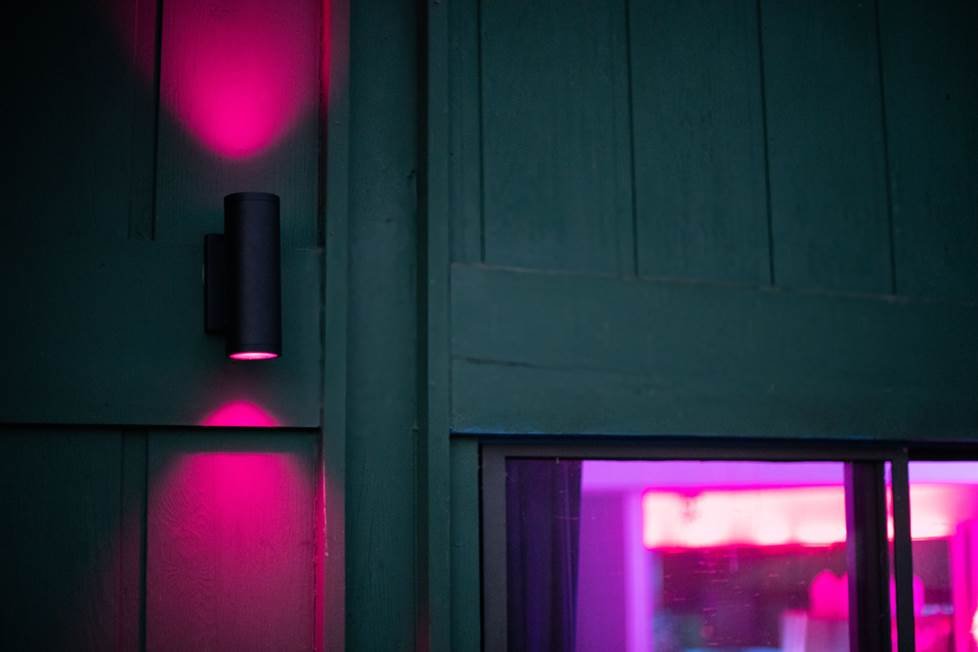
- Highlight architectural features: Use LED strips or spotlights to draw attention to alcoves, shelves, or textured walls.
- Create zones: Divide open-plan spaces with different lighting scenes for dining, relaxing, or working.
- Use dimmers: Adjust brightness to suit the time of day and activity, reducing eye strain and saving energy.
- Experiment with placement: Place lamps behind furniture or under cabinets for subtle, indirect glow.
- Combine with natural light: Use smart controls to complement sunlight, adjusting artificial lights as daylight changes.
For a comprehensive overview of brightness control, the smart lighting brightness levels guide is a valuable resource.
Benefits of Smart Lighting Beyond Ambiance
While setting the mood is a major advantage, smart lighting offers additional benefits:
- Energy efficiency: Automations and dimming help reduce electricity usage.
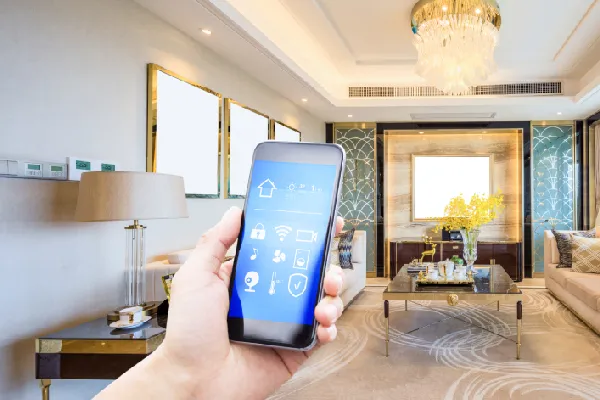
- Convenience: Control lights from your phone, voice assistant, or automatically based on routines.
- Security: Schedule lights to turn on and off when you’re away, giving the appearance of occupancy.
- Accessibility: Voice and app controls make lighting easier for everyone, including those with mobility challenges.
For more reasons to consider upgrading, see seven compelling reasons to embrace smart lighting in your home or office.
FAQ
How do I choose the right smart bulbs for ambiance?
Consider what features matter most for your space. If you want to adjust color and mood, look for RGB or tunable white bulbs. For simple dimming and scheduling, standard smart bulbs may suffice. Compatibility with your preferred app or voice assistant is also important.
Can I use smart lighting with existing fixtures?
Yes, most smart bulbs fit standard sockets and can be used in lamps, ceiling fixtures, and more. For built-in lighting or specialty fixtures, smart switches or plugs may be a better solution.
Is it difficult to set up lighting scenes and automations?
Most smart lighting systems offer user-friendly apps that guide you through creating scenes and automations. Many also support voice commands for quick adjustments. Start with basic schedules and experiment with more advanced routines as you get comfortable.