Smart lighting has transformed the way we illuminate our homes, offering flexibility, energy savings, and the ability to tailor environments to our moods and needs. With the rise of color-changing bulbs and advanced controls, it’s easier than ever to create a personalized atmosphere in any room. This smart lighting color changing guide will walk you through the essentials of choosing, installing, and optimizing color-changing smart lights to reflect your style and enhance your daily life.
Whether you want to boost productivity with crisp white light, set a relaxing ambiance with warm tones, or make your living space pop with vibrant colors, modern smart lighting systems make it possible. Before diving into the details, it’s helpful to understand how color temperature and tone affect the feel of your environment. For a deeper look at the science behind lighting tones, check out warm vs cool smart lighting explained.
Understanding Color-Changing Smart Lighting
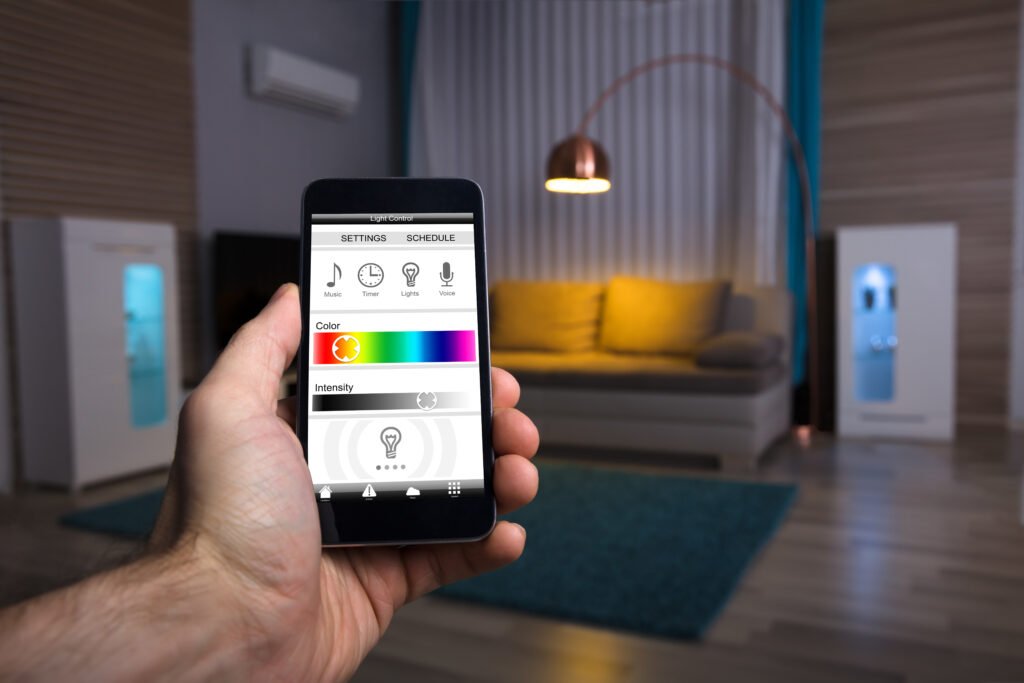
Color-changing smart bulbs and fixtures use LEDs capable of displaying millions of colors and a wide range of white tones. These lights are controlled via smartphone apps, voice assistants, or smart home hubs, allowing you to adjust brightness and color with a tap or voice command. The main benefits include:
- Personalization: Match lighting to your mood, activity, or decor.
- Convenience: Control lights remotely or automate schedules.
- Energy Efficiency: LEDs use less power and last longer than traditional bulbs.
- Integration: Sync with other smart devices for routines and scenes.
For those interested in outdoor applications, explore smart lighting for garden ambiance to see how color-changing lights can enhance your yard or patio.
Choosing the Right Color-Changing Smart Lights
When selecting smart lighting for your home, consider the following factors to ensure you get the best experience:
- Compatibility: Make sure the bulbs or fixtures work with your preferred smart home platform (Amazon Alexa, Google Assistant, Apple HomeKit, etc.).
- Color Range: Some products offer only tunable whites, while others provide full RGB color spectrums.
- Brightness: Check the lumen rating to ensure the light is bright enough for your space.
- Form Factor: Choose from bulbs, light strips, panels, or integrated fixtures depending on your needs.
- Control Options: Look for intuitive apps, voice control, and automation features.
Popular brands like Philips Hue and Kasa offer reliable options with robust ecosystems. Starter kits are a great way to begin, providing bulbs and a hub or bridge for easy setup.

How to Set Up and Control Your Smart Lighting
Most modern smart lights are designed for easy installation. Here’s a step-by-step overview to get you started:
- Install the bulbs or fixtures in your desired locations.
- Download the manufacturer’s app and follow the pairing instructions.
- Connect the lights to your Wi-Fi network or hub.
- Assign names and rooms for easy voice or app control.
- Create scenes or routines to automate color and brightness changes.
Many systems allow you to control lights individually or as groups, making it simple to set the mood for movie nights, parties, or focused work sessions. For those interested in optimizing lighting for safety, see smart lighting for garage safety and smart lighting for stairs safety for practical tips.
Tips for Personalizing Your Space with Color-Changing Lights
Customizing your environment with smart lighting is about more than just picking a color. Here are some practical ideas to make the most of your system:
- Match Lighting to Activities: Use cool whites for tasks and reading, warm tones for relaxation, and vibrant colors for entertainment.
- Automate Daily Routines: Schedule lights to mimic sunrise in the morning and dim gradually at night to support healthy sleep patterns.
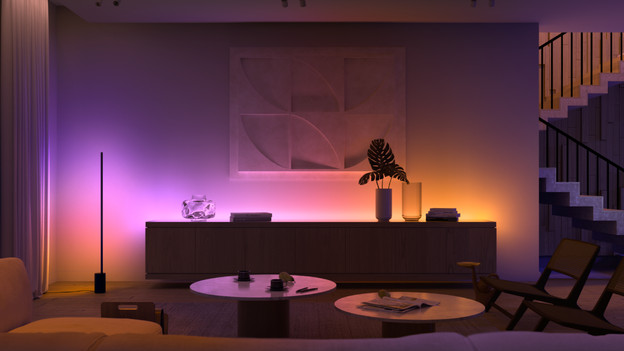
- Highlight Features: Use accent lighting to draw attention to artwork, shelves, or architectural details.
- Sync with Music or Media: Some systems can change colors in response to sound or on-screen action for an immersive experience.
- Seasonal Themes: Adjust colors for holidays or special occasions to create a festive atmosphere.
Understanding smart lighting color temperature explained can help you choose the right shades for each room and time of day.
Benefits of Smart Lighting and Color Control
Adopting smart, color-changing lighting offers more than just aesthetics. Some of the key advantages include:
- Enhanced Wellbeing: Adjusting light color and intensity can improve mood, focus, and sleep quality.
- Energy Savings: LEDs are efficient and can be dimmed or turned off automatically to save power.
- Security: Automate lights to simulate occupancy when you’re away.
- Accessibility: Voice and app controls make lighting easier for everyone, including those with mobility challenges.
For a broader perspective on the advantages, see this overview of smart lighting benefits.
Common Challenges and Solutions
While smart lighting is generally straightforward, users may encounter a few hurdles:
- Wi-Fi Connectivity: Ensure your router can handle multiple devices and place hubs centrally for best coverage.
- App Compatibility: Stick to reputable brands with regular software updates and broad platform support.
- Color Accuracy: Cheaper bulbs may not display true-to-life colors; investing in quality pays off.
- Integration: If you use multiple brands, consider a universal smart home hub for seamless control.
Most issues can be resolved with a quick reset or by consulting the manufacturer’s support resources.
FAQ: Smart Lighting Color Changing
How do I choose the right color temperature for each room?
For living areas and bedrooms, warmer tones (2700K–3000K) create a cozy atmosphere, while cooler whites (4000K–6500K) are ideal for kitchens, bathrooms, and workspaces. Many smart bulbs allow you to adjust the color temperature to suit the time of day or activity.
Can I control smart lights when I’m not at home?
Yes, most smart lighting systems offer remote control through their apps, as long as your home Wi-Fi and the lights are connected to the internet. This feature is useful for security and convenience.
Are color-changing smart lights energy efficient?
Absolutely. LED-based smart bulbs use significantly less energy than traditional incandescent bulbs and last much longer. You can also automate schedules to ensure lights are only on when needed, further reducing energy use.
Conclusion
Personalizing your home with color-changing smart lighting is a practical way to enhance comfort, boost productivity, and express your style. By understanding the basics of color control, choosing the right products, and leveraging automation, you can create a dynamic environment that adapts to your needs. Whether you’re starting with a single bulb or outfitting your entire home, today’s smart lighting solutions make it easy to take control of your space’s ambiance.