Understanding how to control and optimize brightness is essential for anyone looking to create a comfortable, energy-efficient, and adaptive home environment. This smart lighting brightness levels guide will help you make sense of lumens, wattage, and the latest features in intelligent lighting systems. Whether you’re upgrading a single room or automating your entire house, knowing how to select and adjust the right brightness levels can transform your living spaces.
Smart lighting offers more than just convenience. It allows you to tailor illumination to your needs, moods, and activities—improving comfort, safety, and even your energy bills. Before diving into technical details, it’s worth noting that brightness is just one aspect of a well-designed lighting plan. For a deeper understanding of how color temperature affects your space, check out smart lighting color temperature explained.
Why Brightness Matters in Smart Lighting
Brightness is measured in lumens, which indicates the total amount of visible light a bulb emits. Unlike traditional lighting, where wattage was the main indicator of brightness, today’s smart bulbs and fixtures use energy-efficient LEDs that deliver more light with less power. This shift makes it crucial to understand lumens when choosing smart lighting solutions.
Proper brightness levels can:
- Enhance visual comfort and reduce eye strain
- Set the mood for different activities, from relaxing to working
- Improve safety in areas like stairways and garages
- Lower energy consumption by using only as much light as needed
For those interested in outdoor or specialized applications, you might find value in exploring smart lighting for garden ambiance or smart lighting for garage safety for more targeted advice.
Decoding Lumens: The New Standard for Brightness
In the era of smart lighting, lumens have replaced watts as the go-to measurement for brightness. Here’s a quick reference table to help you understand how lumens compare to traditional incandescent bulbs:
| Incandescent Watts | LED Lumens | Typical Use |
|---|---|---|
| 40W | 450 lm | Accent, night lights |
| 60W | 800 lm | Bedrooms, living rooms |
| 75W | 1100 lm | Task lighting, kitchens |
| 100W | 1600 lm | Large rooms, garages |
When selecting smart bulbs, always check the lumen rating to ensure you’re getting the right level of brightness for your space. Many smart bulbs allow you to adjust brightness via an app or voice assistant, making it easy to fine-tune illumination throughout the day.
Choosing the Right Brightness for Each Room
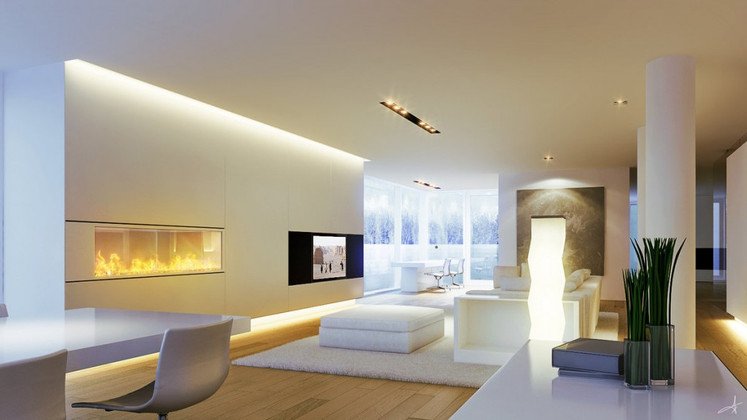
Every room in your home serves a different purpose, and the ideal brightness level varies accordingly. Here’s a breakdown to help you decide:
- Living Room: Aim for 1,500–3,000 lumens total, with dimmable options for flexibility.
- Kitchen: 3,000–4,000 lumens for prep areas, with task lighting above counters.
- Bedroom: 1,000–2,000 lumens, using softer light for relaxation and reading.
- Bathroom: 1,500–3,000 lumens, especially around mirrors for grooming.
- Hallways/Stairs: 500–1,500 lumens, prioritizing safety and visibility.
Smart lighting systems make it easy to customize these levels. Many platforms allow you to create scenes or routines, automatically adjusting brightness based on time of day or activity. For safety-focused setups, see smart lighting for stairs safety for practical tips.
How to Adjust and Automate Brightness with Smart Controls
One of the biggest advantages of modern lighting systems is the ability to control brightness remotely or automatically. Here’s how you can get the most from your setup:
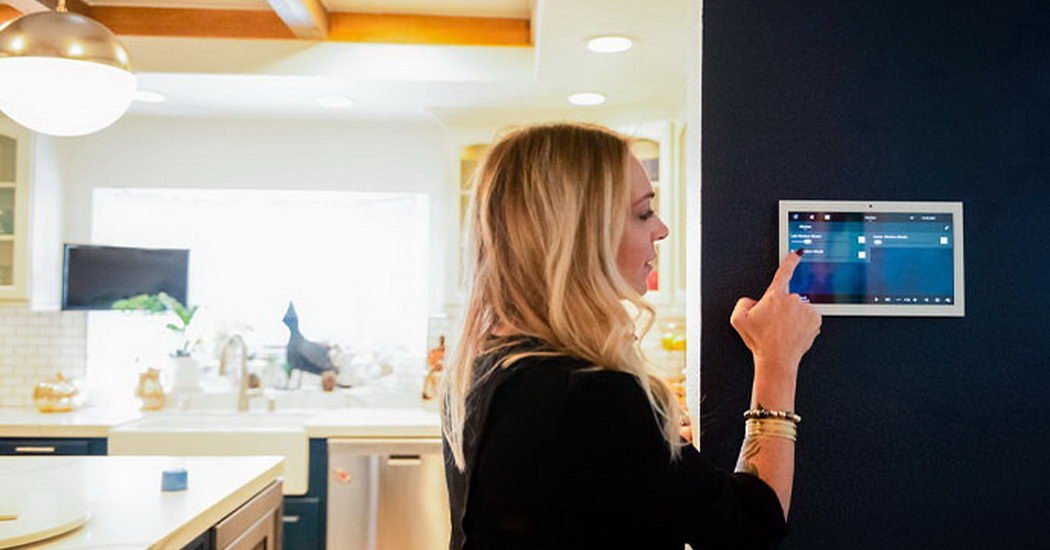
- App Control: Most smart bulbs come with companion apps that let you adjust brightness, set schedules, and create custom scenes.
- Voice Assistants: Integrate with Alexa, Google Assistant, or Siri to control lights hands-free.
- Sensors: Motion and ambient light sensors can trigger lights to adjust automatically based on presence or daylight levels.
- Routines: Program lights to dim in the evening or brighten in the morning, supporting your natural circadian rhythm.
For more insights into the benefits of automated lighting, you can read this detailed overview of smart lighting advantages for homes.

Tips for Mastering Smart Lighting Brightness
To get the most out of your lighting system, keep these practical tips in mind:
- Layer Your Lighting: Combine ambient, task, and accent lighting for maximum flexibility and comfort.
- Use Dimmable Bulbs: Most smart bulbs are dimmable, allowing you to fine-tune brightness for any occasion.
- Consider Color Temperature: Brightness and color temperature work together. For a full explanation, see warm vs cool smart lighting explained.
- Automate for Efficiency: Set schedules and routines to avoid wasting energy and to support your daily habits.
- Test and Adjust: Don’t be afraid to experiment with different settings until you find what feels right for each room.
Common Mistakes to Avoid
Even with advanced controls, it’s easy to make mistakes when setting up your lighting. Here are some pitfalls to watch out for:
- Over-lighting: Too much brightness can cause glare and discomfort. Always match lumens to the room’s size and function.
- Ignoring Natural Light: Take advantage of daylight and supplement only as needed.
- Neglecting Zones: Treat each area individually—what works in the kitchen may not suit the bedroom.
- Forgetting About Color: Remember that brightness and color temperature together create the overall effect.
FAQ
How do I know how many lumens I need for a room?
Calculate the square footage of your room and multiply by the recommended lumens per square foot (typically 20–30 for living areas, 70–100 for task areas). Adjust based on personal preference and the amount of natural light available.
Can I control smart lighting brightness remotely?
Yes, most smart bulbs and fixtures allow you to adjust brightness through mobile apps, voice assistants, or automation routines, giving you full control from anywhere.
What’s the difference between lumens and watts in lighting?
Watts measure energy consumption, while lumens measure the amount of visible light. With LEDs and smart bulbs, focus on lumens to ensure you get the right brightness without wasting energy.
Are smart bulbs always dimmable?
Most smart bulbs are dimmable, but always check the product specifications to be sure. Some require compatible dimmer switches or specific app controls for full functionality.
How can I automate brightness changes throughout the day?
Use your smart lighting app to set up routines or schedules. Many systems also support sensors that adjust brightness based on time, occupancy, or ambient light levels.
By understanding and mastering brightness levels, you can create a home that’s both comfortable and efficient. Smart lighting puts control at your fingertips, letting you adapt your environment to every moment and mood.