
Lighting has evolved far beyond simple illumination. Today, smart lighting design trends are reshaping how we experience our homes, blending advanced technology with modern aesthetics. Homeowners and designers alike are seeking solutions that not only look great but also offer practical benefits like energy savings, convenience, and adaptability to different lifestyles. This article explores the latest innovations in connected lighting, offering insights into how you can create a space that’s both fashionable and highly functional.
Whether you’re renovating, building, or simply updating a room, understanding the current direction of intelligent lighting will help you make informed choices. From voice-activated controls to adaptive mood settings, the possibilities are expanding rapidly. For those working with limited space, our smart lighting for small homes guide provides additional tips on maximizing both style and utility in compact environments.
Key Elements Shaping Modern Smart Lighting
Today’s most influential smart lighting design trends are driven by a blend of technology, sustainability, and user-centric design. Here are some of the core elements that define the current landscape:
- Seamless Integration: Lighting systems are now designed to work effortlessly with voice assistants, mobile apps, and other smart home devices, making control intuitive and accessible.
- Personalization: Homeowners can tailor lighting scenes to match activities, moods, or even time of day, enhancing comfort and ambiance.
- Energy Efficiency: LED technology, motion sensors, and automated schedules help reduce electricity consumption without sacrificing style.
- Minimalist Aesthetics: Sleek fixtures and hidden controls keep spaces looking uncluttered while delivering advanced features.
- Adaptive Lighting: Systems that adjust color temperature and brightness automatically, supporting well-being and productivity.
For a deeper dive into how these innovations are shaping the future, check out our smart lighting innovation overview.
Popular Styles and Technologies in Connected Lighting
The intersection of design and technology is producing a wide range of options for every taste and need. Here are some of the most notable styles and solutions emerging in the world of intelligent lighting:
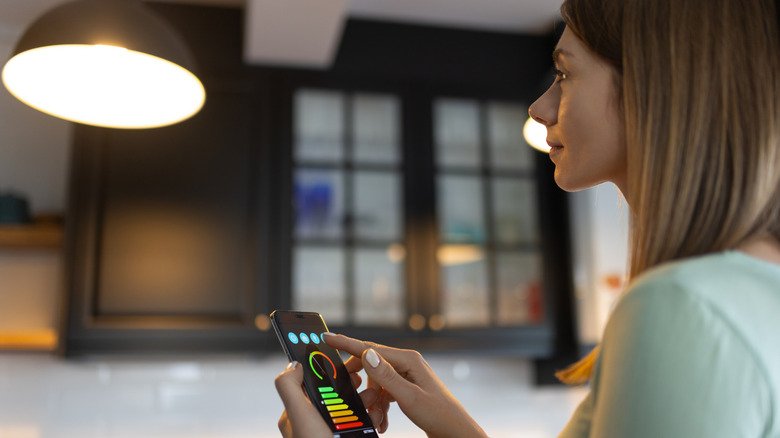
- Color-Changing Bulbs: These allow users to shift between millions of hues, perfect for setting the mood for any occasion.
- Wireless Switches and Dimmers: No need for complex rewiring—wireless controls offer flexibility and easy installation.
- Architectural Fixtures: Recessed lights, LED strips, and under-cabinet solutions provide both task and accent lighting while maintaining a modern look.
- Voice and App Control: Integration with platforms like Alexa, Google Assistant, and Apple HomeKit makes managing lights hands-free and convenient.
- Scene Programming: Pre-set scenes for activities like reading, entertaining, or relaxing can be activated with a tap or voice command.
For those interested in how user experience is evolving, our smart lighting user experience trends article covers the latest in simplified controls and intuitive interfaces.
Benefits of Embracing Smart Lighting Solutions
Adopting the latest in intelligent lighting isn’t just about aesthetics—it brings a host of practical advantages:
- Convenience: Automate daily routines, such as dimming lights in the evening or turning them off when you leave the house.
- Security: Use schedules and remote access to simulate occupancy, deterring potential intruders.
- Health and Well-being: Adaptive lighting can help regulate sleep cycles and boost productivity by mimicking natural daylight patterns.
- Cost Savings: Efficient bulbs and automation reduce energy bills over time.
For a comprehensive look at the advantages, see seven reasons to consider smart lighting from industry experts.
How to Incorporate Smart Lighting Into Your Home
Getting started with connected lighting doesn’t have to be overwhelming. Here are some practical steps to help you integrate these technologies into your living space:
- Start Small: Begin with a single room or a few bulbs to get comfortable with the controls and features.
- Choose Compatible Devices: Make sure your lights, switches, and hubs work together and with your preferred smart home platform.
- Plan for Flexibility: Consider wireless options and modular systems that can grow with your needs.
- Focus on Key Areas: Prioritize spaces where lighting has the most impact, such as kitchens, living rooms, and bedrooms.
- Experiment with Scenes: Try different presets for activities and adjust as you discover what works best for your lifestyle.
If you’re curious about how artificial intelligence is being woven into home lighting, our guide to AI integration in lighting explains the latest developments.
Emerging Innovations and What’s Next
The world of connected lighting continues to evolve quickly. Some of the most exciting developments on the horizon include:
- Human-Centric Lighting: Systems that dynamically adjust to support circadian rhythms, enhancing sleep and alertness.
- Integration with Other Smart Devices: Lighting that responds to security systems, thermostats, or even entertainment setups for a fully synchronized home.
- Advanced Sensors: Presence, daylight, and even air quality sensors are being incorporated to further automate and optimize lighting environments.
- Eco-Friendly Materials: Fixtures made from recycled or sustainable materials are gaining popularity among environmentally conscious consumers.
For updates on new standards and industry shifts, our overview of industry developments in lighting provides timely information.
Frequently Asked Questions
What are the main advantages of using smart lighting at home?
Smart lighting offers enhanced convenience, energy efficiency, and the ability to personalize your environment. Features like remote control, automation, and adaptive brightness help save energy and improve comfort. Security benefits, such as scheduling lights to mimic occupancy, are also significant.
How difficult is it to install smart lighting systems?
Most modern smart lighting products are designed for easy installation. Many options are plug-and-play, requiring only the replacement of existing bulbs or switches. Wireless controls and app-based setups make it accessible even for those with minimal technical experience.
Can smart lighting be integrated with other smart home devices?
Yes, many systems are compatible with popular smart home platforms like Alexa, Google Assistant, and Apple HomeKit. This allows you to create routines and automations that include lighting, security, climate control, and more, all managed from a single interface.