Personalized lighting is transforming how we interact with our homes and workspaces. With advancements in connected devices, it’s now possible to create lighting environments that adapt to your lifestyle, mood, and preferences. This smart lighting personalization guide explores how you can harness modern technology to design a lighting setup that truly feels like your own.
From setting the perfect ambiance for relaxation to optimizing brightness for productivity, tailored lighting solutions offer both comfort and efficiency. Whether you’re new to smart home technology or looking to upgrade your current system, understanding the basics of personalization will help you make informed choices. For a deeper dive into the latest trends in user-friendly controls, check out smart lighting user experience trends for insights on simplifying your setup.

Understanding Personalized Smart Lighting
Smart lighting systems go far beyond simple on/off controls. They allow for dynamic adjustment of color, brightness, and scheduling, all tailored to your daily routines. At the core of these systems are connected bulbs, switches, and hubs that can be managed through mobile apps, voice assistants, or automation rules.
Personalization means your lighting responds to your needs. For example, you can set lights to gradually brighten in the morning, mimic natural daylight during work hours, or shift to warmer tones in the evening for relaxation. This flexibility not only enhances comfort but can also contribute to better sleep and improved mood.
Key Features of a Smart Lighting Personalization Guide
When exploring options for a customized lighting experience, look for features that support adaptability and ease of use. Here are some essential elements to consider:
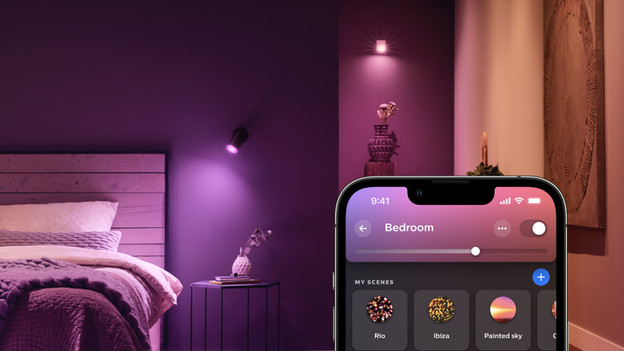
- Scene Creation: Save and recall specific lighting settings for activities like reading, dining, or movie nights.
- Scheduling: Automate lights to turn on or off at set times, aligning with your daily habits.
- Color Temperature Adjustment: Shift from cool to warm tones to match the time of day or your mood.
- Integration with Other Devices: Connect lighting to motion sensors, door locks, or thermostats for seamless automation.
- Remote Control: Manage your lights from anywhere using a smartphone or tablet.
For those interested in the technology powering these features, the smart lighting AI integration explained article offers a closer look at how artificial intelligence is making homes more intelligent and responsive.
Benefits of Tailored Lighting Solutions
Customizing your lighting setup brings a range of advantages:
- Enhanced Comfort: Lighting that adapts to your preferences creates a more inviting and relaxing environment.
- Energy Efficiency: Automated schedules and sensors help reduce unnecessary usage, lowering energy bills.
- Improved Well-being: Adjusting light color and intensity can support natural sleep cycles and boost productivity.
- Accessibility: Voice commands and remote controls make it easier for everyone to manage lighting, including those with mobility challenges.
For a comprehensive overview of where the industry is heading, see the smart lighting innovation overview to learn about future developments and new possibilities.
How to Personalize Your Smart Lighting Setup
Getting started with a customized lighting system doesn’t have to be complicated. Follow these practical steps to create a setup that fits your lifestyle:
- Assess Your Space: Identify which rooms or areas will benefit most from smart lighting. Consider factors like natural light, usage patterns, and desired ambiance.
- Choose Compatible Devices: Select bulbs, switches, and hubs that work together and support your preferred control methods (app, voice, automation).
- Install and Connect: Follow manufacturer instructions to set up your devices, ensuring they’re connected to your home network and any relevant platforms (such as Alexa, Google Assistant, or Apple HomeKit).
- Create Scenes and Schedules: Use your system’s app to design scenes for different activities and automate routines to match your daily schedule.
- Integrate with Other Smart Devices: Link lighting with sensors, thermostats, or security systems for added convenience and automation.
- Test and Adjust: Experiment with different settings to find what works best for you. Fine-tune brightness, color, and timing as needed.
Popular Devices for Personalized Lighting
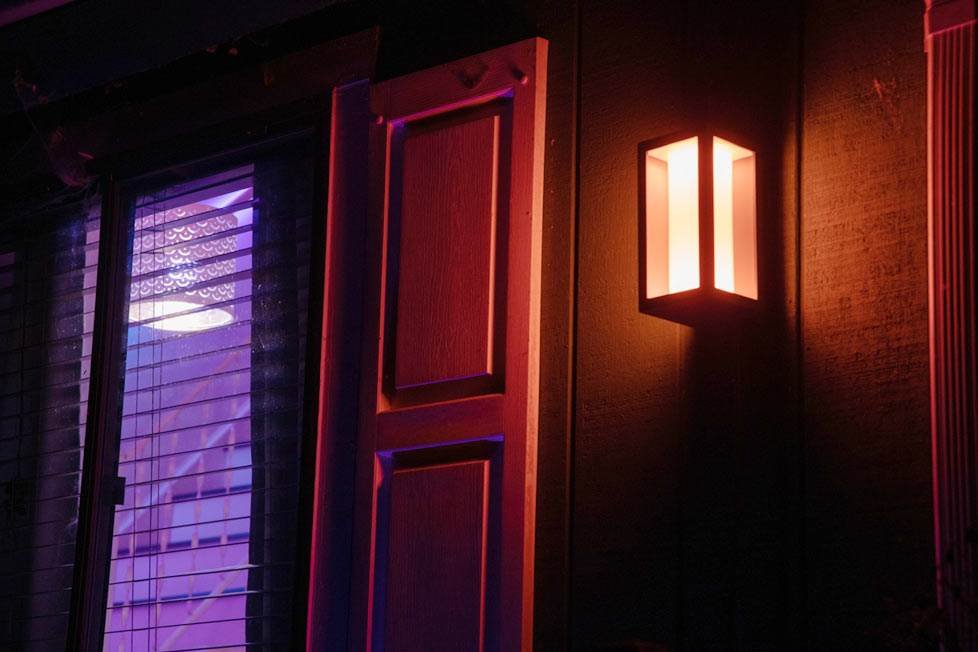
Several brands offer products designed for easy customization. When selecting devices, consider compatibility with your existing ecosystem and the range of features offered. Some popular options include:
- Philips Hue: Known for its wide range of bulbs and accessories, Hue supports extensive scene creation and third-party integrations.
- Kasa Smart: Offers affordable, reliable bulbs with color and scheduling features, suitable for beginners and advanced users alike.
- LIFX: Provides high-quality, Wi-Fi-enabled bulbs with vibrant colors and no need for a separate hub.
- Nanoleaf: Specializes in modular panels and shapes for creative, decorative lighting effects.
For more on how adaptive lighting can automatically adjust to your needs, see the smart lighting adaptive lighting guide for practical tips and automation ideas.
Integrating Lighting with Other Smart Home Systems
Personalized lighting works best when it’s part of a broader smart home ecosystem. By connecting your lights to other devices, you can unlock powerful automations. For example, motion sensors can trigger hallway lights at night, or your security system can flash lights in case of an alert. Many platforms, such as Apple HomeKit, Google Home, and Amazon Alexa, support cross-device routines for seamless operation.
To stay updated on the latest standards and compatibility improvements, explore smart lighting industry developments for news on new tech and protocols.
Tips for Maximizing Your Personalized Lighting Experience
- Experiment with Scenes: Don’t hesitate to try different combinations of color and brightness for various activities.
- Use Voice Controls: Set up voice assistants for hands-free operation, especially useful when your hands are full or you’re entering a room.
- Monitor Energy Usage: Many systems provide usage data, helping you identify opportunities to save energy.
- Stay Secure: Keep your devices updated and use strong passwords to protect your smart home network.
- Leverage Community Ideas: Many brands offer user forums and inspiration galleries to help you discover new ways to use your lighting.
Expert Insights and Further Resources
For a broader perspective on the benefits of connected lighting, see this detailed overview of smart lighting benefits. You’ll find practical advice on improving comfort, safety, and efficiency in any space.
FAQ: Smart Lighting Personalization
What is the main advantage of customizing smart lighting?
The primary benefit is the ability to create lighting environments that adapt to your routines, moods, and activities. This leads to greater comfort, improved well-being, and energy savings.
Do I need a hub to personalize my lighting setup?
Not always. Some brands, like LIFX, offer Wi-Fi-enabled bulbs that work without a hub, while others, such as Philips Hue, require a central hub for full functionality and advanced features.
Can smart lighting be integrated with other smart home devices?
Yes, most modern systems support integration with voice assistants, sensors, thermostats, and security devices. This enables powerful automations and a seamless smart home experience.
Is it difficult to set up personalized lighting scenes?
Most systems are designed for user-friendly setup, with intuitive apps that guide you through creating and saving scenes. Experimenting with different settings helps you find what works best for your space.
How does personalized lighting support energy efficiency?
Automated schedules, occupancy sensors, and remote controls help ensure lights are only on when needed, reducing unnecessary energy consumption and lowering utility costs.