Integrating intelligent lighting into your living space is one of the most impactful ways to enhance comfort, efficiency, and ambiance. As more homeowners embrace connected technology, understanding how to plan a smart lighting system is essential for achieving seamless control and long-term satisfaction. This guide breaks down the essentials of designing a modern lighting setup, from choosing the right components to ensuring compatibility and future-proofing your investment.
Before diving into the planning process, it’s helpful to get familiar with the basics of connected lighting. If you’re just starting out, you might find smart lighting basics for homeowners a useful primer. For those comparing different architectures, smart lighting hub vs hubless explained offers a detailed look at the pros and cons of each approach.
Why Thoughtful Planning Matters for Smart Lighting
Jumping into connected lighting without a clear strategy can lead to compatibility headaches, wasted money, and underwhelming results. A well-structured smart lighting system planning guide helps you:
- Identify your household’s specific needs and preferences
- Choose products that work together and fit your budget
- Ensure reliable connectivity and easy control
- Maximize energy savings and automation benefits
- Future-proof your setup for new devices and integrations
Taking the time to plan avoids common pitfalls and ensures your lighting system is both enjoyable and practical for years to come.
Assessing Your Home’s Lighting Needs
Start by evaluating each room’s purpose and how lighting can enhance daily activities. Consider:
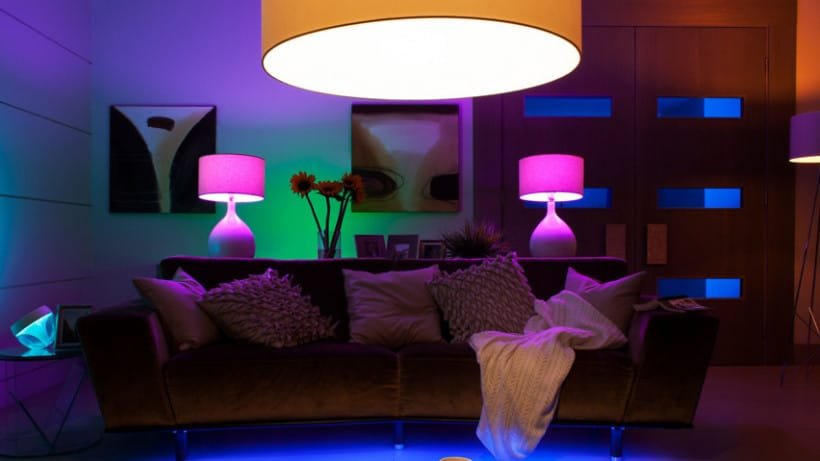
- Living areas: Flexible brightness and color for entertaining, relaxing, or watching TV
- Kitchens: Task lighting for food prep and ambient light for dining
- Bedrooms: Dimmable options for winding down, with gentle wake-up routines
- Bathrooms: Brightness for grooming, softer light for nighttime
- Outdoor spaces: Security, pathway, and accent lighting
Sketch a simple floor plan and note where you want smart bulbs, switches, or fixtures. Think about how you move through your home and where hands-free or automated control would be most valuable.
Choosing the Right Smart Lighting Components
Modern systems offer a range of devices, each with unique features. Your choices will shape the flexibility and scalability of your setup. Key components include:
- Smart bulbs: Replace standard bulbs and offer color, dimming, and scheduling
- Smart switches and dimmers: Control traditional fixtures and allow manual override
- Smart plugs: Make lamps or non-smart lights controllable
- Motion sensors: Automate lighting based on occupancy
- Hubs or bridges: Centralize control and enable advanced automation
When selecting products, check for compatibility with your preferred voice assistant (Alexa, Google Assistant, Siri) and ensure they support your home’s wireless network. For an in-depth comparison of network requirements, see smart lighting network requirements.
Network and Connectivity Considerations
Reliable communication is the backbone of any connected lighting setup. Most systems use WiFi, Zigbee, Z-Wave, or Bluetooth. Each protocol has trade-offs in range, speed, and device support. For larger homes or more complex installations, a dedicated hub may be necessary to coordinate devices and maintain stability.
Placement of your router and hubs is crucial. Avoid dead zones and interference from thick walls or appliances. If you’re unsure about setup, how to connect smart lights to wifi provides a step-by-step walkthrough for common brands.
Automation and Control Options
One of the main advantages of connected lighting is the ability to automate and personalize your environment. Common control methods include:
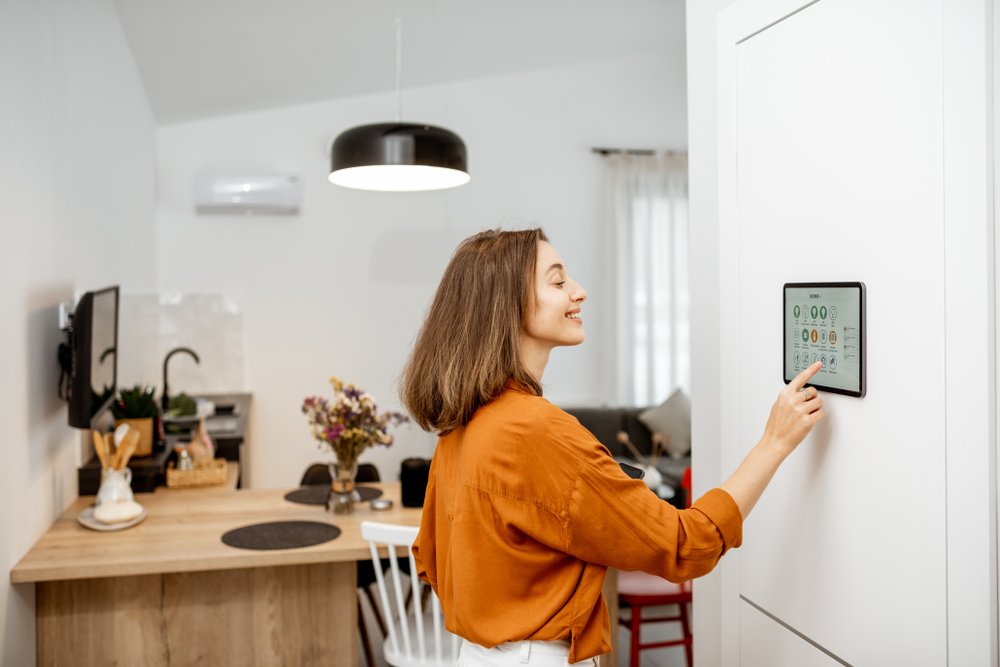
- Mobile apps: Adjust brightness, color, and schedules from anywhere
- Voice commands: Use assistants like Alexa, Google Assistant, or Siri
- Physical switches: Retain manual control for guests or quick access
- Scenes and routines: Set moods or automate based on time, occupancy, or events
For a deeper dive into must-have features, check out smart lighting features explained. Many systems also integrate with other smart home devices, such as thermostats and security cameras, for unified automation.

Energy Efficiency and Cost Savings
Switching to connected lighting isn’t just about convenience—it can also lower your energy bills. LED smart bulbs use significantly less power than traditional incandescent or halogen options. Automation features, such as motion sensors and scheduling, ensure lights are only on when needed, reducing waste.
For more details on the financial and environmental benefits, see this overview of smart lighting advantages.
Installation and Setup Tips
Most smart bulbs and plugs are designed for DIY installation. Simply screw in the bulb, plug in the device, and follow the manufacturer’s app instructions. For smart switches, some basic electrical work is required—always turn off power at the breaker and consult a professional if unsure.
After installation, group devices by room in your app for easier control. Test all automations and voice commands to confirm everything works as intended. If you encounter connectivity issues, check your network strength and device firmware updates.
Future-Proofing Your Lighting System
Technology evolves quickly, so it’s wise to choose products that support open standards like Matter or Zigbee. This ensures your investment remains compatible with new brands and platforms as they emerge. Modular systems allow you to start small and expand over time, adding new rooms or advanced features as your needs grow.
Document your setup, including device names, locations, and network details. This makes troubleshooting and upgrades much easier down the road.
Frequently Asked Questions
What are the main benefits of installing a smart lighting system?
Connected lighting offers convenience, energy savings, and the ability to customize your home’s ambiance. You can control lights remotely, automate schedules, and integrate with other smart devices for a more comfortable and efficient living environment.
Do I need a hub for my smart lighting setup?
Not always. Many modern bulbs and switches work directly with WiFi or Bluetooth. However, a dedicated hub can improve reliability, enable advanced automation, and support a wider range of devices, especially in larger homes. For a detailed comparison, refer to smart lighting hub vs hubless explained.
Can I mix and match different brands?
Yes, but compatibility depends on the wireless protocols and platforms supported. Choosing products that adhere to open standards like Matter or Zigbee increases the likelihood of seamless integration. Always check compatibility before purchasing new devices.
Conclusion
Designing a connected lighting setup for your home is a rewarding project that delivers both immediate and long-term benefits. By following a structured smart lighting system planning guide, you’ll ensure your system is reliable, flexible, and tailored to your lifestyle. Take time to assess your needs, choose compatible products, and set up robust automation for a truly modern living experience.