Smart lighting is transforming how homeowners manage comfort, security, and energy use. Whether you’re looking to automate your home, save on electricity, or simply enjoy the convenience of voice-controlled lights, understanding smart lighting basics for homeowners is the first step. This guide covers the essentials, from how these systems work to the benefits and practical steps for getting started.
Before diving into the details, it’s helpful to explore related resources. For a deeper dive into the technology trends shaping this space, visit our smart lighting technology overview. If you’re a beginner, our smart lighting for beginners guide is also a great place to start.

What Is Smart Lighting? Key Concepts for Homeowners
At its core, smart lighting refers to lighting systems that can be controlled remotely or automatically. These systems use wireless communication—such as Wi-Fi, Bluetooth, Zigbee, or Z-Wave—to connect bulbs, switches, and fixtures to your smartphone, voice assistant, or home automation hub. With a few taps or a simple voice command, you can adjust brightness, change color, set schedules, or even trigger lights based on motion or time of day.
Unlike traditional lighting, smart solutions offer much more than just on/off functionality. Many products allow for dimming, color tuning, and integration with other smart home devices. This flexibility makes it easy to create the right mood, enhance security, and improve energy efficiency throughout your home.
For a comprehensive explanation of how these systems operate, see our how smart lighting works article.
Why Upgrade? Benefits of Smart Lighting for Modern Homes
Switching to smart lighting brings a range of advantages that go beyond convenience. Here are some of the top reasons homeowners are making the change:
- Energy Savings: Automated schedules and occupancy sensors ensure lights are only on when needed, reducing electricity bills.
- Enhanced Security: Set lights to turn on and off while you’re away, deterring potential intruders and giving the appearance of an occupied home.
- Comfort and Convenience: Adjust lighting from your phone or with your voice, perfect for late-night arrivals or hands-free control.
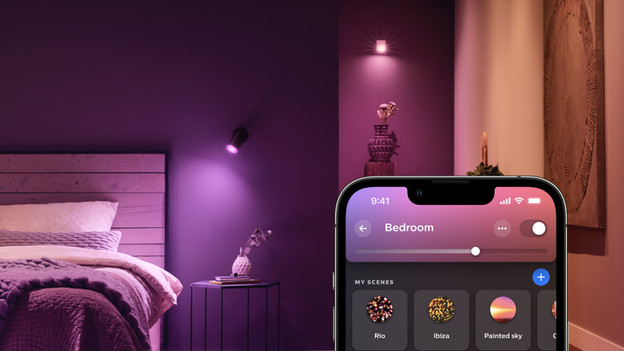
- Customization: Create scenes for movie nights, dinner parties, or bedtime routines with just a tap.
- Integration: Connect with other smart devices like thermostats, cameras, or alarms for a seamless smart home experience.
To learn more about the advantages, check out our detailed list of benefits of smart lighting for your home.
Types of Smart Lighting Products
There’s a wide variety of smart lighting options available, each suited to different needs and budgets. Here are the main categories homeowners should know:
- Smart Bulbs: Replace standard bulbs with Wi-Fi or Zigbee-enabled versions. These are easy to install and offer features like dimming and color control.
- Smart Switches and Dimmers: Upgrade your wall switches to control existing fixtures and bulbs. Ideal for rooms with multiple lights or for those who prefer using physical switches.
- Smart Plugs: Plug lamps or other lighting into a smart plug to add automation and remote control without changing bulbs or switches.
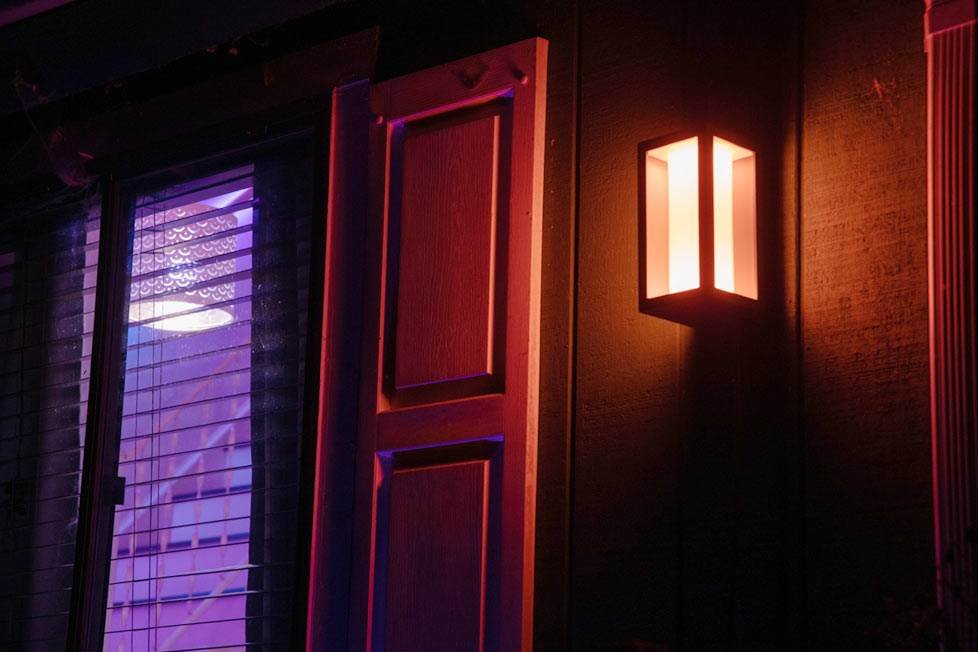
- Smart Fixtures: Some manufacturers offer entire fixtures—like ceiling lights or outdoor lamps—with built-in smart capabilities.
How to Choose the Right Smart Lighting System
With so many choices, selecting the right setup can feel overwhelming. Here are some key factors to consider:
- Compatibility: Make sure your chosen bulbs, switches, or plugs work with your preferred voice assistant (Amazon Alexa, Google Assistant, Apple HomeKit) and home Wi-Fi network.
- Hub Requirements: Some systems, like Philips Hue, require a central hub, while others connect directly to Wi-Fi. Consider whether you want a hub-based or hub-free solution.
- Features: Decide which features matter most—color changing, dimming, scheduling, or integration with other smart devices.
- Budget: Smart bulbs are affordable and easy to install, while whole-home systems with switches and fixtures can be more expensive but offer greater flexibility.
For a step-by-step breakdown of system options, see our smart lighting system guide.
Installation and Setup: Getting Started with Smart Lighting
Most smart lighting products are designed for easy installation, even for those with minimal technical experience. Here’s a general process to follow:
- Choose Your Products: Select bulbs, switches, or plugs that match your needs and are compatible with your home setup.
- Install the Hardware: Replace existing bulbs, switches, or plug in smart devices according to the manufacturer’s instructions. Always turn off power at the breaker when working with switches.
- Download the App: Most brands offer a dedicated app for setup and control. Follow the prompts to connect your devices to Wi-Fi or a hub.
- Connect to Voice Assistants: Link your smart lighting to Alexa, Google Assistant, or Siri for hands-free control.
- Set Up Schedules and Automations: Use the app to create routines, schedules, and scenes that fit your lifestyle.
Tips for Maximizing Your Smart Lighting Experience
Once your system is up and running, a few best practices can help you get the most from your investment:
- Start small—try a few bulbs or a starter kit before expanding to the whole house.
- Experiment with scenes and automations to find what works best for your daily routines.
- Keep your apps and firmware updated for the latest features and security improvements.
- Integrate with other smart devices, such as motion sensors or security cameras, for added convenience and safety.
- Educate all household members on how to use the system to avoid confusion or accidental overrides.
If you want to understand the foundational principles and trends in this space, the smart lighting technology overview is a valuable resource.
Common Questions About Smart Lighting for Homeowners
What Do I Need to Start Using Smart Lighting?
Most homeowners only need a smartphone, Wi-Fi connection, and compatible smart bulbs or switches. Some systems may require a central hub, but many modern products connect directly to your home network. Starter kits are a great way to begin, as they include everything needed for setup.
Are Smart Lighting Systems Secure?
Smart lighting is generally safe when you follow best practices—use strong passwords, keep devices updated, and purchase from reputable brands. For more on security and privacy, see trusted resources like this overview of smart lighting benefits and considerations.
Can I Use Smart Lighting Outdoors?
Yes, many manufacturers offer weatherproof bulbs and fixtures designed for outdoor use. These can be controlled and automated just like indoor lights, enhancing security and convenience around your property.
Conclusion: Take the First Step Toward a Smarter Home
Understanding smart lighting basics for homeowners opens the door to a more comfortable, efficient, and secure living environment. With a wide range of products and easy installation, there’s never been a better time to upgrade. Start with a few bulbs or a starter kit, explore automations, and enjoy the benefits of a modern, connected home.