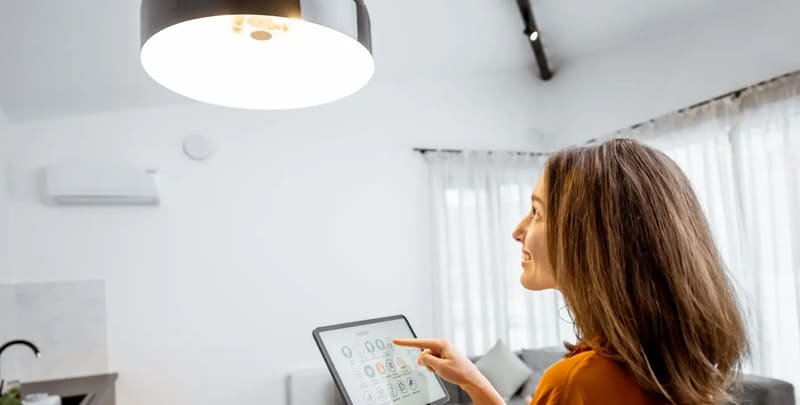
Smart lighting systems are transforming how people illuminate their homes, offering convenience, automation, and energy efficiency. However, as these technologies become more common, users are raising important questions about privacy and ongoing expenses. This article provides a clear overview of the main issues, helping homeowners and renters make informed decisions about adopting connected lighting solutions.
Understanding the real concerns behind smart lighting—such as how personal data is handled and what costs to expect—can help you weigh the benefits against the risks. We’ll also highlight practical tips for protecting your privacy and managing expenses, so you can enjoy the advantages of smart lighting with confidence.
For a deeper look at the limitations and practical realities of connected lighting, see smart lighting limitations explained. This resource covers technical, compatibility, and usability factors that are important to consider alongside privacy and cost.
Understanding Privacy Issues in Connected Lighting
One of the most common smart lighting user concerns explained by experts is the potential for privacy risks. Smart bulbs and switches often connect to Wi-Fi or Bluetooth, and many require an account with the manufacturer. This connectivity can introduce vulnerabilities if not managed carefully.
What Data Do Smart Lights Collect?
Most smart lighting products gather basic usage data, such as:
- When lights are turned on or off
- Brightness and color settings
- Location of the device (sometimes required for automation)
- Integration with other smart home devices
Some systems, especially those with voice assistants or cameras, may collect more detailed information. Always review the privacy policy of your chosen brand to understand what data is collected and how it is used.
How Is This Data Used?
Manufacturers typically use collected data to improve their products, provide technical support, and offer personalized features. However, some companies may share data with third parties for marketing or analytics. This is a key reason why privacy is a top concern for many users.
To minimize risks, consider using brands with strong privacy reputations and transparent data policies. Look for options that allow you to opt out of data sharing or use local-only control (where your data stays within your home network).
Managing the Cost of Smart Lighting
Another major topic in smart lighting user concerns explained is the total cost of ownership. While smart bulbs and switches can save energy and offer long-term value, there are upfront and ongoing costs to consider.
Initial Investment
Smart bulbs are generally more expensive than traditional LED bulbs. Starter kits, which include a hub and several bulbs, can range from $50 to $200 or more. Additional bulbs, switches, or accessories add to the initial cost.
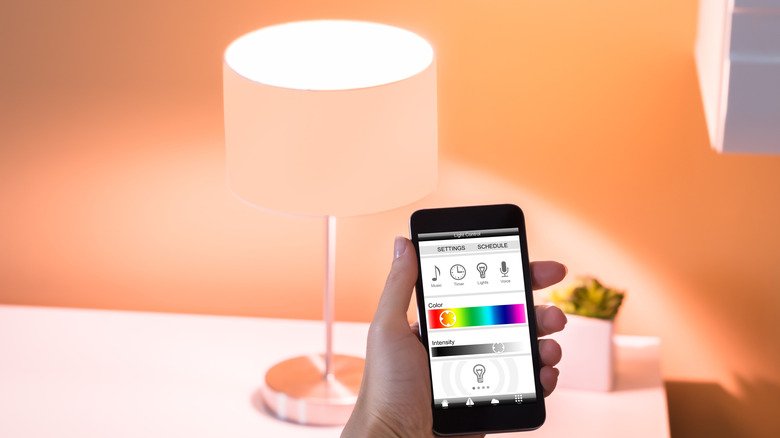
For those interested in sustainable options, the smart lighting for eco homes guide explores energy-saving features and eco-friendly products.
Ongoing Expenses
While smart bulbs use less energy than incandescent lights, they do consume a small amount of power even when “off” to maintain connectivity. This standby power is usually minimal, but it can add up with many devices. Some systems also require paid subscriptions for advanced features, such as remote access, automation, or integration with other smart home platforms.
Before purchasing, check if your preferred system charges ongoing fees and factor in the cost of replacing bulbs or accessories over time.
Security and Data Protection Tips
With smart lighting user concerns explained around privacy and cost, security becomes a top priority. Here are some practical steps to protect your data and devices:
- Use strong, unique passwords for your smart lighting accounts and Wi-Fi network.
- Enable two-factor authentication if available.
- Keep firmware and apps updated to patch security vulnerabilities.
- Limit data sharing by adjusting privacy settings in the app.
- Consider local control options that do not require cloud connectivity.
For more on common misconceptions and real risks, see smart lighting myths explained.
Balancing Benefits and Drawbacks
Despite the challenges, many users find that the advantages of smart lighting—such as automation, remote control, and energy savings—outweigh the drawbacks. The key is to stay informed and proactive about privacy and cost management.
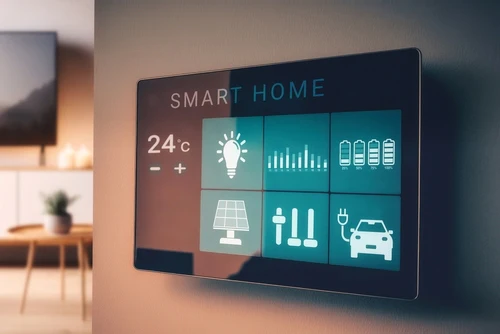
For those seeking high-end solutions, the smart lighting for luxury homes guide covers advanced features and premium integrations.
To further understand the positive aspects, you can read about the benefits of smart lighting, including flexibility, ambiance control, and potential energy savings.
Frequently Asked Questions
Are smart lights always listening or watching me?
Most smart bulbs and switches do not have microphones or cameras. However, if your system includes voice assistants or integrates with smart speakers, those devices may listen for commands. Always check the specifications and privacy policy of your chosen products.
Do I need a subscription to use smart lighting?
Basic features like remote control and scheduling are usually free. Some brands charge for advanced automation, cloud storage, or integration with other smart home platforms. Review the product details before purchasing to avoid unexpected fees.
Can smart lighting help lower my electricity bill?
Smart bulbs are typically more energy-efficient than traditional bulbs and can help reduce energy use through automation and scheduling. However, the savings depend on your usage patterns and whether you take advantage of features like dimming and occupancy sensors.
Conclusion
Smart lighting offers many advantages, but it’s important to address privacy and cost concerns before making the switch. By understanding what data is collected, how it’s used, and what expenses to expect, you can make informed choices that suit your needs and budget. Explore related topics like smart lighting for minimalist homes for inspiration on integrating connected lighting into different living spaces.
Staying informed and proactive about security, privacy, and cost will help you enjoy the convenience and efficiency of smart lighting with greater peace of mind.