Smart lighting has become a popular choice for homeowners and renters looking to enhance convenience, energy efficiency, and ambiance in their living spaces. Yet, despite its growing adoption, misconceptions and outdated beliefs still persist. This article provides smart lighting myths explained in clear, practical terms, helping you separate fact from fiction and make informed decisions about upgrading your lighting system.
Whether you’re considering your first smart bulb or planning a full-home automation project, understanding the realities behind common fears can save you time, money, and frustration. For those interested in avoiding typical pitfalls, the smart lighting common mistakes guide offers additional tips to ensure a smooth transition.
Understanding the Most Common Smart Lighting Misconceptions
Despite the benefits, several myths continue to circulate about smart lighting. These misconceptions can deter people from adopting new technology or lead to unnecessary worries. Let’s break down the most persistent myths and clarify what’s actually true.
Myth 1: Smart Lighting Is Too Complicated to Install and Use
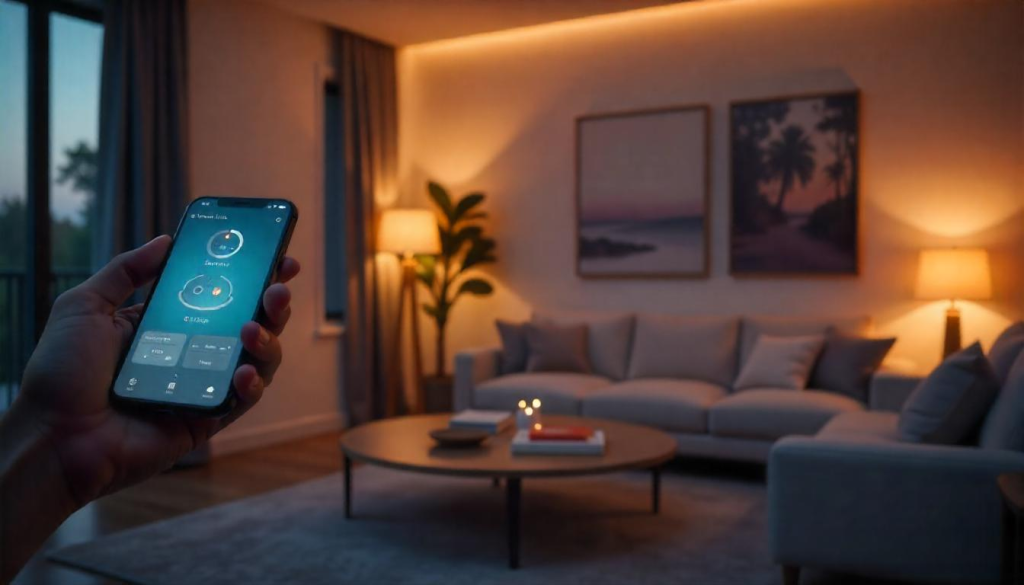
One of the most widespread beliefs is that smart lighting systems are difficult to set up and require advanced technical skills. In reality, most modern smart bulbs and switches are designed for straightforward installation. Many products simply screw into existing fixtures and connect to your Wi-Fi or Bluetooth via a user-friendly app. For renters or those in older homes, solutions are available that don’t require rewiring or permanent changes. If you’re curious about non-permanent options, the smart lighting for renters explained guide covers easy, reversible setups.
After initial setup, daily use is typically intuitive. Voice assistants like Alexa, Google Assistant, and Siri make controlling your lights as simple as speaking a command or tapping your phone.
Myth 2: Smart Lighting Consumes More Energy Than Traditional Bulbs
Another common concern is that smart bulbs use more electricity due to their connectivity features. In fact, most smart lighting products use LED technology, which is significantly more energy-efficient than incandescent or halogen bulbs. While smart features do require a small amount of standby power, the overall energy savings from LED efficiency and automation (such as scheduled turn-offs) far outweigh this minor consumption.
For businesses and organizations, the benefits are even more pronounced. According to this overview of LED smart lighting advantages, automated lighting can lead to substantial reductions in energy costs and carbon footprint.
Myth 3: Smart Lighting Is Only for New Homes or Major Renovations
Some believe that only new builds or major remodels can accommodate smart lighting. The truth is, there are retrofit solutions for nearly every type of home. Many smart bulbs and plug-in adapters work with existing fixtures and wiring, making it possible to upgrade lighting in apartments, historic homes, or any space without invasive changes. For those with older properties, the smart lighting for old houses explained resource provides practical advice on modernizing lighting safely and effectively.
Even if you’re not ready for a full-home upgrade, starting with a single room or a few fixtures can offer immediate benefits and a taste of what smart lighting can do.
Security and Privacy Concerns: Separating Fact from Fiction
Worries about hacking and privacy breaches are often cited as reasons to avoid smart lighting. While any connected device carries some risk, reputable brands invest heavily in security updates and encryption. Users can further protect themselves by:
- Changing default passwords on devices and apps
- Keeping firmware and apps up to date
- Using secure Wi-Fi networks with strong passwords
Most smart lighting systems do not collect personal data beyond basic usage statistics, and these are typically anonymized. Reviewing privacy policies and choosing trusted brands can minimize risks. For those building a new home, the smart lighting for new homes guide covers best practices for integrating secure, future-proof systems.
Cost Myths: Are Smart Lights Really Expensive?
Initial prices for smart bulbs or switches can be higher than traditional options, but it’s important to consider the long-term value. LED smart lights last much longer than incandescent bulbs and use less energy, leading to lower replacement and utility costs over time. Features like scheduling, dimming, and remote control can further reduce unnecessary usage, translating into real savings.
Additionally, the market now offers a wide range of affordable options, making it possible to start small and expand as your needs grow. For those looking to upgrade existing systems, the smart lighting retrofit guide provides step-by-step advice for cost-effective improvements.
Compatibility and Integration: Will Smart Lighting Work with My Devices?
Another misconception is that smart lighting only works with specific brands or requires a single ecosystem. In reality, many products are compatible with multiple platforms, including Alexa, Google Home, Apple HomeKit, and Samsung SmartThings. Universal standards like Matter are making it even easier to mix and match devices from different manufacturers.
Before purchasing, check product specifications for compatibility with your preferred voice assistant or hub. Most brands offer clear guidance on supported platforms, and many apps allow you to control multiple brands from a single interface.
Benefits Beyond Convenience: What Smart Lighting Really Offers
While convenience is a major selling point, smart lighting also brings benefits such as:
- Energy savings through automation and efficient LEDs
- Enhanced security with remote control and scheduling
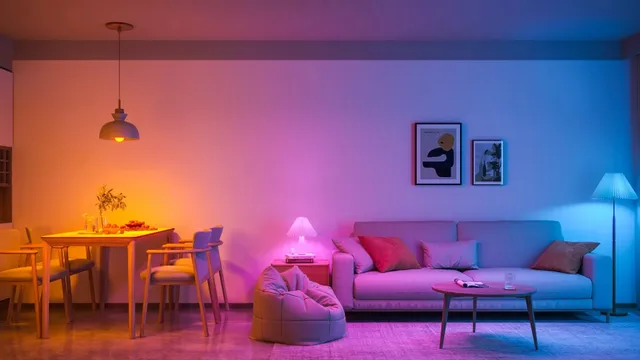
- Improved ambiance and customization for every room
- Accessibility for people with mobility or vision challenges
These advantages make smart lighting a practical upgrade for a wide range of households, regardless of size or age.
FAQ
Can I use smart lighting in an apartment or rental property?
Yes, many smart lighting solutions are designed for renters and do not require permanent changes. Plug-in adapters, smart bulbs, and wireless switches can be installed and removed easily when you move.
Do smart bulbs work if the Wi-Fi goes out?
Most smart bulbs can still be operated manually via the light switch. Some systems also support Bluetooth or Zigbee, allowing local control even if the internet is down.
Will smart lighting increase my electricity bill?
Smart lighting typically reduces energy usage thanks to LED technology and automation features. While there is minimal standby power consumption, the overall effect is usually lower electricity costs compared to traditional lighting.