Eco-friendly homes are evolving rapidly, with technology playing a central role in reducing energy consumption and environmental impact. Among the most effective upgrades, smart lighting for eco homes stands out for its ability to combine convenience, efficiency, and sustainability. By integrating intelligent lighting systems, homeowners can significantly lower their carbon footprint, cut energy bills, and enjoy a more comfortable living environment.
This guide explores how smart lighting solutions contribute to greener living, which features matter most for sustainability, and how to choose the right products for your needs. Whether you’re building a new eco home or upgrading an existing one, understanding the benefits and best practices of smart lighting is key to making informed decisions.
For those interested in avoiding common pitfalls, the smart lighting common mistakes guide offers practical advice on what to watch out for when planning your setup.
Why Choose Smart Lighting for Sustainable Living?
Lighting accounts for a significant portion of household energy use. Traditional bulbs and manual switches often lead to unnecessary energy waste, especially when lights are left on in unoccupied rooms. By contrast, smart lighting for eco homes leverages automation, sensors, and efficient LED technology to minimize waste and optimize illumination based on real-time needs.
- Energy Savings: Smart bulbs and switches can be programmed to turn off automatically, dim based on daylight, or respond to occupancy sensors, ensuring lights are only on when needed.
- Longer Lifespan: LED smart bulbs last much longer than incandescent or CFL alternatives, reducing replacement frequency and waste.
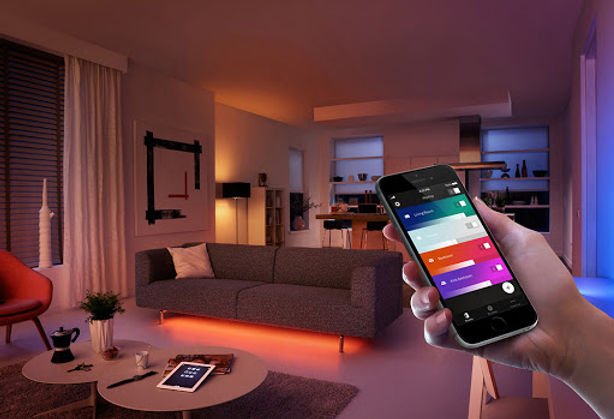
- Remote Control: Mobile apps and voice assistants allow homeowners to manage lighting from anywhere, further reducing accidental energy use.
- Integration with Eco Systems: Many smart lighting solutions work seamlessly with solar panels, energy monitoring systems, and other green technologies.
According to industry research on the benefits of smart lighting, these systems can cut lighting-related energy consumption by up to 80% in some homes.
Key Features of Smart Lighting for Eco Homes
When selecting smart lighting for a sustainable residence, consider features that maximize both efficiency and user experience. Here are the most impactful options:
- Adaptive Scheduling: Set lights to follow sunrise and sunset, or create custom schedules to match your lifestyle and reduce unnecessary use.
- Occupancy and Motion Sensors: Automatically turn lights on when someone enters a room and off when it’s empty.
- Daylight Harvesting: Adjust brightness based on available natural light, ensuring optimal illumination without excess energy use.
- Energy Monitoring: Track real-time and historical energy consumption to identify savings opportunities.
- Integration with Smart Home Platforms: Connect lighting with thermostats, security systems, and other devices for holistic automation.
For those in older properties, the smart lighting for old houses explained article provides insights into modernizing existing wiring and fixtures for smart upgrades.
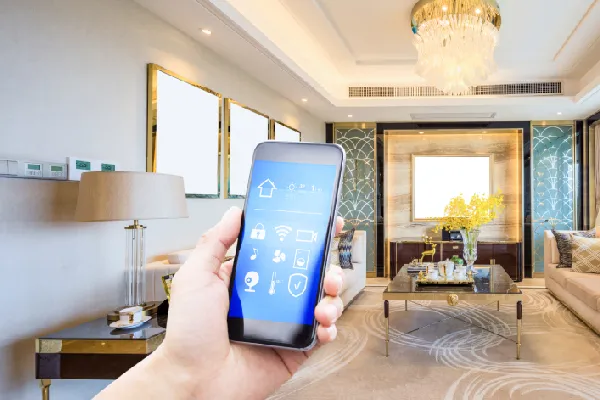
How Smart Lighting Reduces Environmental Impact
Adopting intelligent lighting systems contributes to sustainability in several measurable ways. Here’s how these technologies make a difference:
- Lower Energy Consumption: Automated controls and efficient LEDs use less electricity, directly reducing greenhouse gas emissions from power plants.
- Reduced Light Pollution: Smart dimming and targeted illumination prevent excessive outdoor lighting, helping preserve night skies and local ecosystems.
- Decreased Material Waste: Longer-lasting bulbs and fewer replacements mean less landfill waste and lower demand for raw materials.
- Support for Renewable Energy: Many smart lighting systems can be synchronized with solar panels or home batteries, maximizing the use of clean energy sources.
For those renting or unable to make permanent changes, the smart lighting for renters explained guide covers flexible, non-invasive solutions that still deliver efficiency gains.
Choosing the Right Smart Lighting for Your Eco Home
With a growing range of products on the market, selecting the best smart lighting for eco homes can feel overwhelming. Focus on these criteria to ensure your investment supports both sustainability and daily convenience:
- Compatibility: Ensure bulbs and switches work with your preferred smart home ecosystem (e.g., Alexa, Google Home, Apple HomeKit).
- Energy Efficiency: Look for ENERGY STAR-certified products and check manufacturer claims for wattage and lifespan.
- Ease of Installation: Some systems require only bulb replacement, while others may need new switches or hubs. Choose what fits your DIY skills and budget.
- Expandability: Consider whether you can add more lights or integrate with other smart devices over time.
- Control Options: Prioritize solutions that offer both app and voice control for maximum flexibility.
If you’re upgrading an existing property, the smart lighting retrofit guide provides step-by-step advice for a smooth transition.
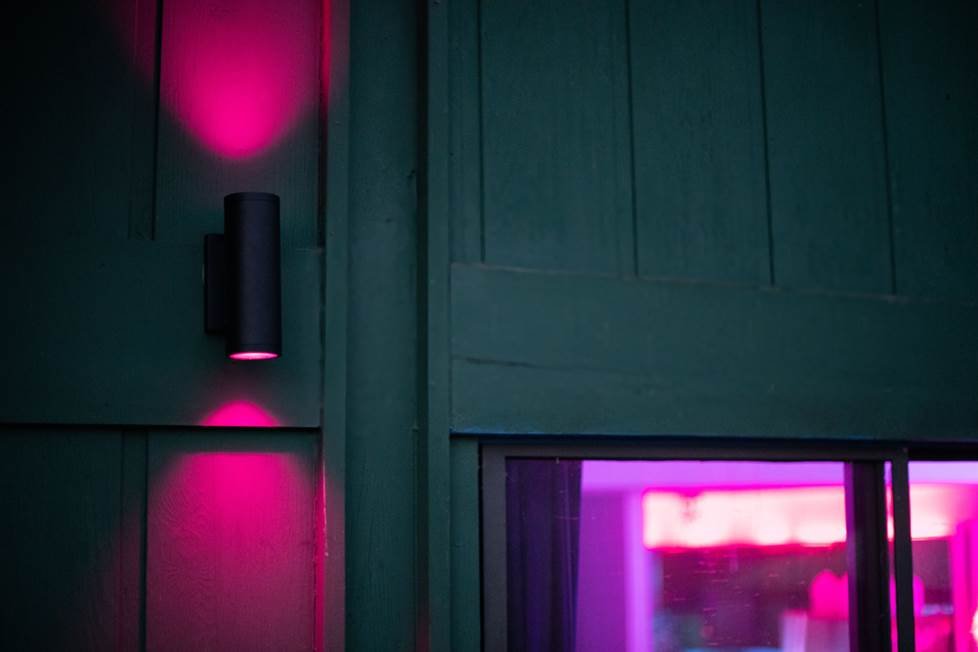
Installation Tips and Best Practices
To get the most from your smart lighting setup, follow these practical recommendations:
- Start Small: Begin with a few key rooms—such as the living area or entryway—before expanding throughout the home.
- Group Lights by Zone: Organize lights into zones (e.g., kitchen, bedrooms) for easier control and automation.
- Utilize Scenes: Create preset scenes for activities like reading, entertaining, or sleeping to optimize comfort and efficiency.
- Regularly Update Firmware: Keep devices updated for security, new features, and improved energy management.
- Educate Household Members: Ensure everyone understands how to use the system to maximize savings and convenience.
For those building from scratch, the smart lighting for new homes guide offers tailored advice for integrating these systems into modern construction.
FAQ: Smart Lighting and Sustainable Homes
How much energy can smart lighting really save?
Switching to smart LED bulbs and using automation features can reduce lighting energy use by 50–80%, depending on your previous setup and usage habits. Features like motion sensors and adaptive scheduling help ensure lights are only on when needed, maximizing savings.
Are smart lighting systems difficult to install?
Most modern smart bulbs are as easy to install as traditional bulbs—just screw them in and connect via an app. Smart switches may require some basic wiring, but many retrofit kits are designed for DIY installation. Always follow manufacturer instructions and consider professional help for complex projects.
Can I use smart lighting if I rent my home?
Yes, many smart lighting solutions are non-permanent and require no changes to wiring or fixtures. Smart bulbs and plug-in adapters are ideal for renters, offering efficiency and convenience without violating lease agreements.
What is the lifespan of smart LED bulbs?
Smart LEDs typically last 15,000 to 25,000 hours, far outlasting incandescent and CFL bulbs. This reduces both replacement costs and environmental impact over time.
Do smart lighting systems work with solar panels?
Many smart lighting products can be integrated with solar-powered homes, allowing you to maximize the use of renewable energy for your lighting needs. Check compatibility with your home energy management system for best results.