
Minimalist design is all about simplicity, functionality, and a sense of calm. As technology becomes more integrated into daily life, homeowners are seeking ways to enhance their spaces without adding clutter or complexity. Smart lighting for minimalist homes offers a seamless solution, blending advanced features with a clean aesthetic. By choosing the right lighting systems, you can maintain the tranquility of your environment while enjoying the benefits of automation, energy savings, and personalized control.
Whether you’re updating an existing space or planning a new build, understanding how to integrate intelligent lighting into a pared-back interior is key. This article explores the essentials of smart lighting in minimalist settings, from design principles and product choices to installation tips and common pitfalls. For those interested in avoiding frequent errors during setup, the smart lighting common mistakes guide offers valuable insights.
Why Choose Smart Lighting for Minimalist Interiors?
Minimalist homes prioritize open spaces, neutral colors, and uncluttered surfaces. Traditional lighting setups often require multiple switches, visible cords, and bulky fixtures, which can disrupt the streamlined look. Smart lighting for minimalist homes addresses these challenges by offering:
- Wireless control: Eliminate wall switches and visible wiring with app-based or voice-activated systems.
- Flexible ambiance: Adjust brightness and color temperature to match your mood or time of day, all without physical dimmers or extra hardware.
- Discreet hardware: Many smart bulbs and fixtures are designed with minimalism in mind, featuring slim profiles and simple finishes.
- Energy efficiency: Automated schedules and occupancy sensors help reduce unnecessary energy use, supporting both sustainability and simplicity.
By integrating intelligent lighting, you maintain the serenity of your space while gaining advanced control and customization.
Key Features That Support a Minimalist Lifestyle
When selecting lighting solutions for a minimalist home, it’s important to focus on features that enhance simplicity rather than complicate it. Here are some essentials to consider:
- Scene setting: Create preset lighting scenes for different activities—reading, dining, relaxing—without manual adjustments.
- Voice assistant compatibility: Systems that work with Alexa, Google Assistant, or Apple HomeKit allow you to control lights hands-free, reducing the need for physical switches.
- Remote access: Control your lights from anywhere using a smartphone app, ensuring you never leave lights on unnecessarily.
- Minimalist design: Choose bulbs, switches, and fixtures with simple lines and neutral colors to blend seamlessly into your décor.
For a deeper dive into the benefits and technical aspects of these systems, check out this comprehensive overview of smart lighting and its advantages.
Design Tips: Achieving a Seamless Look with Smart Lighting
To keep your home’s look cohesive and uncluttered, follow these design strategies when implementing intelligent lighting:
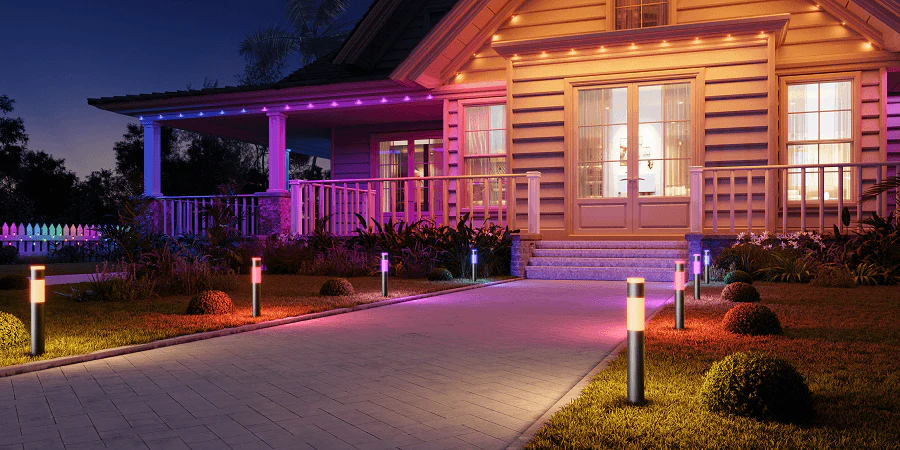
- Choose integrated fixtures: Recessed lighting, LED strips, and flush-mount options minimize visual distractions and blend into ceilings or walls.
- Opt for wireless controls: Use apps or voice commands to reduce the need for multiple wall switches.
- Limit visible devices: Select multi-purpose bulbs and avoid unnecessary hubs or bridges when possible.
- Coordinate finishes: Match the color and style of smart switches or remotes with your home’s palette for a unified appearance.
For those living in older properties, adapting modern lighting to classic architecture is possible. The smart lighting for old houses explained guide offers practical advice for blending new tech with traditional spaces.
Installation and Setup: Keeping It Simple
One of the main advantages of smart lighting for minimalist homes is the ease of installation. Many systems are designed for DIY setup, requiring only a Wi-Fi connection and a compatible device. Here’s how to streamline the process:
- Start with a starter kit: Kits like Philips Hue or Kasa Smart provide bulbs, a hub (if needed), and clear instructions for quick setup.
- Use existing fixtures: Replace standard bulbs with smart versions to avoid rewiring or major renovations.
- Automate routines: Set schedules for lights to turn on or off based on time of day or occupancy, reducing the need for manual control.
- Test compatibility: Ensure your chosen system works with your preferred voice assistant or smart home platform.
If you’re a renter or want non-permanent solutions, the smart lighting for renters explained resource covers flexible, no-drill options ideal for temporary setups.

Choosing the Right Products for Your Space
Not all smart lighting products are created equal, especially when it comes to minimalist homes. Here’s what to look for:
- Bulb shape and size: Select bulbs that fit your existing fixtures and maintain a low profile.
- Color options: Some systems offer millions of colors, while others focus on tunable white light. Choose based on your needs—subtle white adjustments often suit minimalist spaces best.
- App design: A clean, intuitive app interface makes controlling your lights easy and frustration-free.
- Expandability: Consider whether you’ll want to add more lights or integrate with other smart home devices in the future.
For those planning a new build, the smart lighting for new homes guide provides tips on wiring, fixture placement, and future-proofing your setup.
Common Mistakes to Avoid with Smart Lighting in Minimalist Homes
Even with the best intentions, it’s easy to make choices that disrupt the harmony of a minimalist space. Here are some pitfalls to watch out for:
- Overcomplicating controls: Too many apps or remotes can create confusion and clutter.
- Visible cables and adapters: Use wireless or battery-powered options when possible, and conceal any necessary cords.
- Mixing incompatible brands: Stick to one ecosystem for seamless operation and a unified look.
- Ignoring color temperature: Choose bulbs that offer adjustable white tones to match the natural light in your home.
For more detailed advice on what to avoid, refer back to the smart lighting common mistakes guide.
Frequently Asked Questions
Can smart lighting be installed in rental properties?
Yes, many smart bulbs and plug-in devices require no permanent changes. They can be screwed into existing fixtures or plugged into outlets, making them ideal for renters. For more ideas, see the guide to smart lighting for renters.
How do I keep my smart lighting setup looking minimal?
Choose products with simple designs, use wireless controls, and avoid visible cables. Recessed fixtures and slim-profile bulbs help maintain a clean look. Stick to a single app or voice assistant for streamlined control.
Are smart lighting systems energy efficient?
Yes, most smart bulbs use LED technology, which is highly efficient. Automated schedules and occupancy sensors further reduce energy consumption by ensuring lights are only on when needed.
What if I want to upgrade my existing home?
You can retrofit most homes with smart bulbs and switches without major renovations. For step-by-step instructions, the smart lighting retrofit guide is a helpful resource.
Integrating smart lighting into a minimalist home doesn’t have to be complicated. By focusing on discreet hardware, intuitive controls, and thoughtful design, you can enjoy all the benefits of modern technology while preserving the calm, uncluttered feel that defines minimalist living.