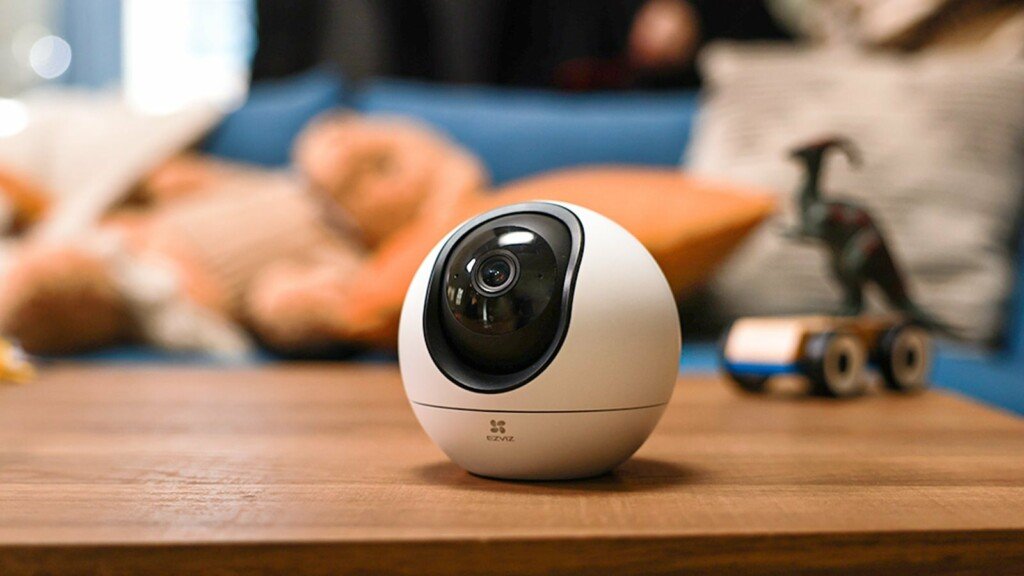
As technology advances, more older adults are discovering the benefits of virtual assistants for seniors in their daily routines. These voice-activated AI helpers are designed to make life at home safer, more convenient, and more connected. From setting reminders for medication to controlling smart home devices, voice-based assistants are transforming how seniors manage their independence and well-being.
For families and caregivers, these tools offer peace of mind and new ways to support loved ones remotely. Integrating smart assistants into the home can also complement other innovations, such as ai remote home monitoring systems, to create a comprehensive, supportive environment for aging in place.
How Voice-Activated AI Supports Older Adults
Voice-based AI assistants—such as Amazon Alexa, Google Assistant, and Apple Siri—are increasingly tailored to meet the unique needs of older adults. These devices respond to spoken commands, making them accessible even for those who may struggle with touchscreens or small buttons. By simply speaking, users can access a wide range of services and information.
- Medication Reminders: Set daily alerts for pills or medical appointments.
- Emergency Assistance: Call family, friends, or emergency services hands-free.
- Daily Routine Support: Get weather updates, news, or calendar reminders.
- Home Automation: Control lights, thermostats, and security systems with voice commands.
- Entertainment: Listen to music, audiobooks, or play games for cognitive engagement.
These features help seniors maintain independence and stay engaged, while reducing the risk of missing important tasks or appointments.
Key Benefits of Virtual Assistants for Seniors
The adoption of voice-based AI assistants in the home offers several advantages for older adults and their families:
- Ease of Use: No need for complex navigation—just speak naturally to interact.
- Accessibility: Ideal for those with limited mobility, vision, or dexterity.
- Safety: Immediate voice access to help in emergencies, even if the user cannot reach a phone.
- Social Connection: Make calls or send messages to loved ones, reducing feelings of isolation.
- Personalization: Devices can learn routines and preferences, offering tailored reminders and suggestions.
According to recent research on AI adoption among older adults, these technologies can significantly improve quality of life and promote independent living.

Choosing the Right Voice Assistant for the Home
When selecting a virtual assistant for older adults, consider the following factors to ensure the best fit:
- Compatibility: Does the device work with existing smart home systems or medical devices?
- Privacy Controls: Look for options to mute microphones or limit data sharing.
- Language and Accent Recognition: Choose a system that understands the user’s speech patterns.
- Support and Updates: Opt for brands with reliable customer service and regular software updates.
- Physical Design: Devices should be easy to place and access in the home.
Many families also consider pairing voice assistants with other smart home solutions, such as ai battery management systems for homes or occupancy sensors, to further enhance safety and energy efficiency.
Getting Started: Setup and Training Tips
Setting up a voice-based AI helper is generally straightforward, but a few steps can make the process smoother for seniors:
- Simple Placement: Put devices in central locations, such as the kitchen or living room, for easy access.
- Clear Instructions: Walk through common commands together, such as “What’s the weather?” or “Remind me to take my medicine.”
- Personalization: Add contacts, favorite music, and daily routines to make the assistant more useful.
- Safety Features: Program emergency contacts and test calling features.
- Ongoing Support: Check in regularly to answer questions or update settings as needed.
Many seniors appreciate having a printed list of useful commands nearby. Family members or caregivers can also set up routines and reminders remotely on most platforms.

Integrating Voice Assistants with Other Smart Home Technologies
The true power of AI-powered assistants for seniors is realized when they are integrated with other smart home devices. For example, pairing a voice assistant with smart lighting allows users to turn lights on or off without getting up, reducing fall risks. Connecting with smart thermostats or security cameras can further enhance comfort and safety.
Students and tech enthusiasts interested in expanding their home’s capabilities can explore ai smart home project ideas for inspiration. These projects can help create a more adaptive and personalized environment for older adults.
Common Concerns and How to Address Them
While many seniors find voice assistants helpful, some may have concerns about privacy, complexity, or reliability. Here are a few strategies to address these issues:
- Privacy: Review device privacy settings together and demonstrate how to mute the microphone when not in use.
- Learning Curve: Start with basic commands and gradually introduce new features as confidence grows.
- Technical Support: Ensure there is someone available to help with troubleshooting or updates.
- Backup Plans: Keep traditional phones or alert systems as a backup in case of power outages or connectivity issues.
Open communication and patient support can help seniors feel comfortable and empowered using these new tools.
FAQ
What are the main advantages of using voice assistants for older adults?
These tools offer hands-free convenience, improved safety, and easy access to information, reminders, and communication. They help seniors stay independent and connected with family and friends.
Are voice-activated assistants safe for privacy?
Most major brands include privacy controls, such as microphone muting and customizable data sharing. It’s important to review and adjust these settings to match personal comfort levels.
Can these AI helpers work with other smart home devices?
Yes, many voice-based assistants can connect with compatible smart lights, thermostats, cameras, and more. This integration allows for greater convenience and safety throughout the home.
Conclusion
Voice-activated AI helpers are making a real difference in the lives of older adults, offering greater independence, safety, and connection. By choosing the right device, setting it up thoughtfully, and integrating it with other smart home technologies, families can create a supportive environment that adapts to changing needs. As these tools continue to evolve, they will play an increasingly important role in helping seniors age comfortably and confidently at home.