Lighting is more than just a practical necessity—it shapes the mood, comfort, and functionality of every space in your home. As smart lighting becomes increasingly popular, understanding the difference between warm and cool tones is essential for creating the right atmosphere. This guide offers a clear breakdown of warm vs cool smart lighting explained, helping you make informed decisions for every room.
Whether you’re upgrading your living room ambiance or optimizing your workspace, the right color temperature can transform how you experience your environment. If you’re interested in specialized tips for specific spaces, the smart lighting for outdoor spaces guide provides detailed advice for yards and patios.
Understanding Color Temperature in Smart Lighting
Color temperature, measured in Kelvin (K), describes the appearance of light produced by a bulb. Lower Kelvin values (typically 2200K–3000K) emit a warm, yellowish glow, while higher values (4000K–6500K) create a cool, bluish-white light. This distinction is fundamental when considering warm vs cool smart lighting explained for your home.
Smart bulbs and fixtures allow you to adjust color temperature with a simple app or voice command, making it easy to tailor the lighting to your needs. For example, you might want a cozy, warm light in the bedroom but a crisp, cool light in your kitchen or office.
Warm Lighting: Comfort and Relaxation
Warm lighting, often described as soft white, is ideal for creating a welcoming and relaxing environment. Here’s why you might choose warmer tones:
- Promotes relaxation: The yellowish hue mimics sunset, signaling your body to wind down.
- Ideal for evenings: Warm light is less likely to disrupt your natural sleep cycle.
- Enhances coziness: Perfect for living rooms, bedrooms, and dining areas where comfort is key.
Many smart bulbs offer preset scenes such as “Relax” or “Reading” that use warm tones to help you unwind after a long day.
Cool Lighting: Focus and Functionality
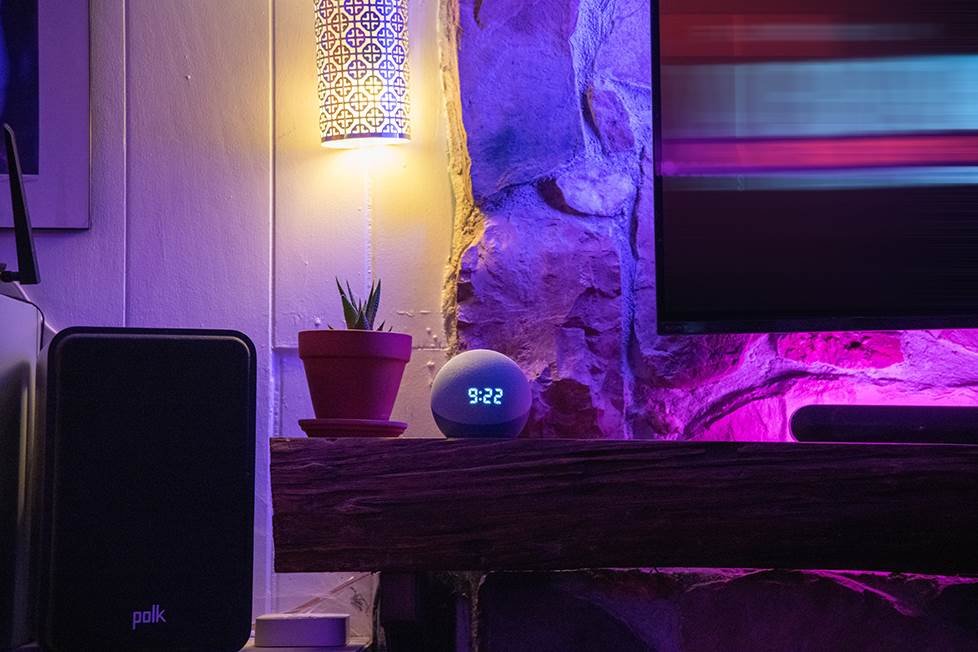
Cool lighting, also known as daylight or bright white, is best suited for areas where clarity and alertness are important. Here are some benefits of cooler tones:
- Boosts concentration: The blue-white light helps keep you alert and focused.
- Great for tasks: Kitchens, bathrooms, and home offices benefit from the increased visibility.
- Modern aesthetic: Cool light can make spaces appear cleaner and more contemporary.
For those working from home, using cool smart lighting in your workspace can help improve productivity. The smart lighting for home office productivity guide offers more targeted tips for optimizing your work environment.
Comparing Warm and Cool Smart Lighting Features
When it comes to warm vs cool smart lighting explained, it’s not just about color temperature. Modern smart lighting systems offer features that let you switch between tones, automate schedules, and integrate with voice assistants.
| Feature | Warm Light | Cool Light |
|---|---|---|
| Best For | Relaxation, Ambiance | Productivity, Tasks |
| Common Locations | Living Room, Bedroom | Kitchen, Office, Bathroom |
| Effect on Mood | Soothing, Calming | Energizing, Alert |
| Smart Scenes | “Relax”, “Night” | “Focus”, “Energize” |
How to Choose the Right Tone for Each Room
Selecting the ideal color temperature depends on the room’s purpose and your personal preferences. Here’s a quick guide:
- Living Room: Warm tones foster relaxation and socializing.
- Kitchen: Cool light enhances visibility for cooking and cleaning. For more details, see the smart lighting for kitchen guide.
- Bedroom: Warm light helps signal bedtime and promotes restful sleep.
- Bathroom: Cool tones are ideal for grooming and makeup. The smart lighting for bathroom safety article covers safety and brightness tips.
- Home Office: Cool, bright lighting supports focus and reduces eye strain.
- Hallways: Adjustable smart lighting can provide both safety and ambiance. Learn more in the smart lighting for hallway automation resource.
Smart Lighting Controls and Automation
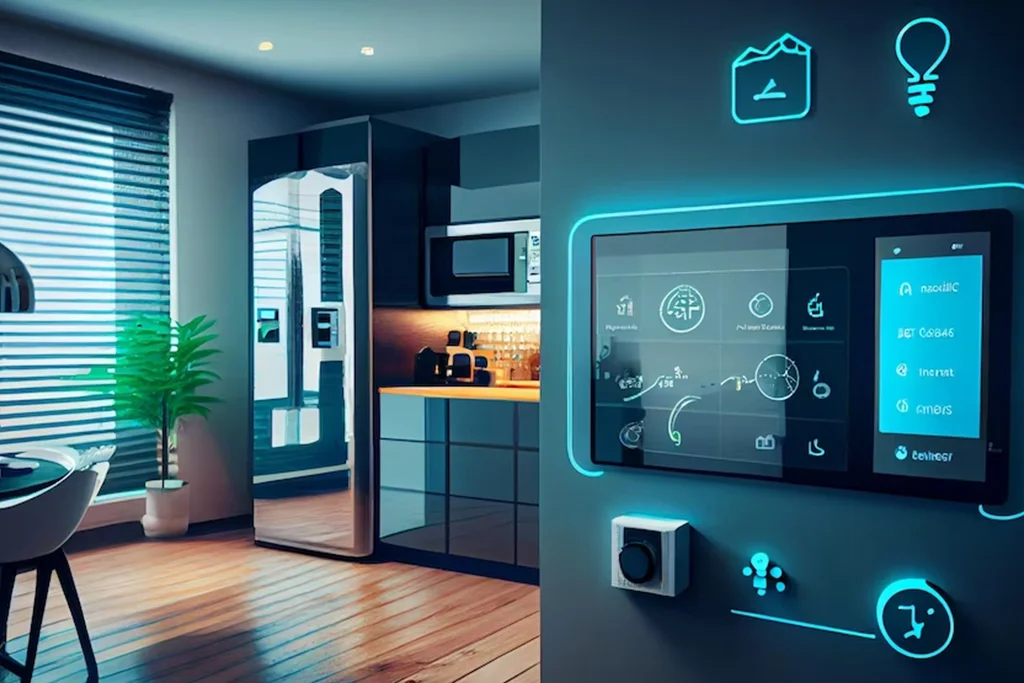
One of the biggest advantages of smart lighting is the ability to automate and customize your lighting experience. Most smart bulbs let you:
- Set schedules to automatically shift from cool to warm tones throughout the day
- Use voice assistants like Alexa or Google Assistant for hands-free control
- Sync lighting scenes with routines, such as “Wake Up” or “Movie Night”
- Adjust brightness and color temperature from your smartphone
For a deeper dive into how smart lighting works and its benefits, check out this introduction to smart lighting technology.
Energy Efficiency and Health Considerations
Smart lighting isn’t just about convenience—it can also help reduce energy consumption. By automating lights to turn off when not needed and dimming them during the day, you can lower your electricity bills.
From a health perspective, the ability to shift between warm and cool tones supports your body’s natural rhythms. Warmer light in the evening helps signal it’s time to unwind, while cooler light during the day can boost alertness and productivity.
Frequently Asked Questions
What is the main difference between warm and cool smart lighting?
Warm lighting emits a yellowish, cozy glow ideal for relaxation, while cool lighting produces a bluish-white tone that enhances focus and visibility. The choice depends on the activity and mood you want to create in each space.
Can I change the color temperature of my smart bulbs?
Most modern smart bulbs allow you to adjust the color temperature through an app or voice assistant. This flexibility lets you switch between warm and cool tones as needed, often with preset scenes for different activities.
Is smart lighting energy efficient?
Yes, smart lighting can help save energy by allowing you to automate schedules, dim lights, and turn them off remotely. LED smart bulbs are also more efficient than traditional incandescent bulbs.
Conclusion
Choosing between warm and cool smart lighting is about more than aesthetics—it’s about creating the right environment for every moment. By understanding the impact of color temperature and leveraging the flexibility of smart technology, you can tailor your home’s lighting to fit your lifestyle. Whether you want a cozy retreat or a productive workspace, smart lighting puts the power of customization at your fingertips.