Choosing the right smart lighting technology can make a significant difference in your home’s convenience, reliability, and future-proofing. Two of the most popular options for connected lighting are WiFi and Zigbee. Each has its own strengths and limitations, and understanding these differences helps you select the best system for your needs. This article offers a clear comparison of wifi vs zigbee smart lighting explained—covering how they work, their pros and cons, and which scenarios suit each protocol best.
Before diving into the technical details, it’s helpful to understand the basics of smart lighting and its benefits. For a deeper look at how intelligent lighting can enhance safety and comfort at night, check out our smart lighting for night lighting guide.
Understanding Smart Lighting Protocols
Smart lighting systems rely on wireless protocols to connect bulbs, switches, and controllers to your home network or automation hub. The two most common wireless standards for these devices are WiFi and Zigbee. Both enable remote control, automation, and integration with voice assistants, but they differ in how they communicate and interact with other devices.
- WiFi smart lights connect directly to your home router, using the same wireless network as your phones, laptops, and other devices.
- Zigbee lights use a dedicated mesh network, requiring a compatible hub or bridge to communicate with your home automation system.
Understanding these core differences is essential for making an informed decision about which technology fits your home and lifestyle.
How WiFi Smart Lighting Works
WiFi-enabled bulbs and switches connect directly to your existing wireless router. This means you can control your lights from anywhere with an internet connection, using a smartphone app or voice assistant. Popular brands like Kasa and LIFX offer a wide range of WiFi-compatible lighting products.
Advantages of WiFi-based lighting:
- Straightforward setup: No need for a separate hub or bridge—just connect to your WiFi network.
- Wide compatibility: Works with most modern routers and integrates easily with Alexa, Google Assistant, and other platforms.
- Remote access: Control your lights from anywhere via the internet.
Drawbacks:
- Network congestion: Adding many WiFi devices can slow down your home network or cause interference.
- Limited scalability: Most routers can only handle a certain number of devices before performance drops.
- Reliance on internet: If your WiFi or internet goes down, you may lose remote control or automation features.
How Zigbee Smart Lighting Operates
Zigbee is a wireless protocol designed specifically for smart home devices. Unlike WiFi, Zigbee forms a mesh network where each device can relay signals to others, extending range and reliability. Systems like Philips Hue and IKEA TRÅDFRI use Zigbee to connect bulbs, switches, and sensors to a central hub or bridge, which then links to your home network.
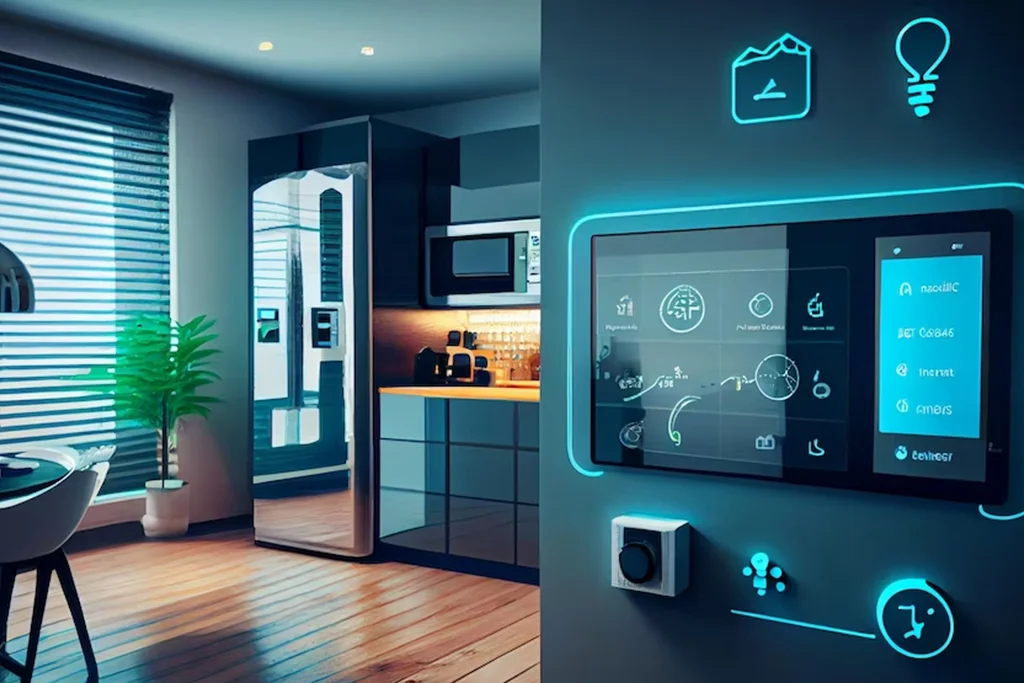
Advantages of Zigbee lighting:
- Mesh networking: Devices strengthen the network as more are added, improving reliability and range.
- Minimal WiFi load: Zigbee operates on its own frequency, reducing congestion on your main home network.
- Scalability: Supports dozens or even hundreds of devices without impacting performance.
Drawbacks:
- Requires a hub: You need a compatible bridge or hub for Zigbee devices to work.
- Compatibility concerns: Not all Zigbee devices work with all hubs; check for interoperability before buying.
- Setup complexity: Initial configuration can be more involved compared to WiFi-only bulbs.
Comparing WiFi and Zigbee for Smart Lighting
When evaluating wifi vs zigbee smart lighting explained in practical terms, several factors come into play. Here’s a side-by-side comparison to help clarify the differences:
| Feature | WiFi | Zigbee |
|---|---|---|
| Setup | Simple, no hub needed | Requires hub/bridge |
| Network Load | Uses home WiFi bandwidth | Separate mesh network |
| Device Limit | Limited by router capacity | Highly scalable |
| Reliability | Depends on WiFi stability | Mesh improves reliability |
| Range | Limited to WiFi coverage | Expands with each device |
| Integration | Works with most platforms | Requires compatible hub |
For more on how smart lighting can enhance your home’s safety and automation, see our smart lighting safety advantages article.
Which Smart Lighting System Is Right for You?
The ideal choice depends on your home, goals, and technical comfort level. Here are some guidelines:
- Choose WiFi lighting if you want a quick, low-hassle setup with just a few smart bulbs or switches. It’s perfect for apartments, renters, or those who prefer minimal equipment.
- Opt for Zigbee if you plan to expand your smart home with many devices, want robust reliability, or already have a compatible hub (like Philips Hue Bridge or Amazon Echo with Zigbee support).
- If you’re interested in advanced features like presence simulation, check out our smart lighting presence simulation guide for more automation ideas.
Ultimately, both WiFi and Zigbee have matured into reliable options for smart lighting. Consider your current setup, future expansion plans, and the importance of network stability when making your decision.
Smart Lighting and Home Automation Integration
Both WiFi and Zigbee lighting can be integrated with popular voice assistants and automation platforms. However, Zigbee’s mesh network is especially well-suited for larger homes or setups with many devices. WiFi lights, on the other hand, are often easier to add to existing smart home ecosystems, especially if you already use Alexa or Google Home.
For more information on what smart lighting can do, see this comprehensive overview of smart lighting technology.
Frequently Asked Questions
Is Zigbee or WiFi Better for Large Homes?
Zigbee is generally better for large homes or setups with many smart lights. Its mesh network allows devices to relay signals, extending range and improving reliability as you add more products. WiFi systems may struggle with range or bandwidth limitations in bigger spaces.
Can I Mix WiFi and Zigbee Smart Lights?
Yes, you can use both types in the same home, but they will be managed through separate apps or hubs. Some smart home platforms, like SmartThings or Amazon Echo with Zigbee support, can help unify control of both protocols.
Do Zigbee Lights Work Without Internet?
Most Zigbee systems can operate locally through their hub, so basic functions like switching and automation may still work if your internet is down. However, remote access and some integrations may require an active internet connection.
Conclusion
Understanding the differences between WiFi and Zigbee smart lighting helps you make an informed choice for your home. WiFi lights offer simplicity and easy integration, while Zigbee provides scalability and robust performance for larger or more complex setups. Evaluate your needs, consider future expansion, and choose the system that aligns with your smart home vision.