Deciding how much land needed for off-grid homestead is one of the most important steps for anyone considering a self-sufficient lifestyle. The right acreage can mean the difference between a thriving, sustainable setup and one that constantly feels limited. Factors like food production, water access, energy needs, and personal goals all play a role in determining the ideal plot size. Whether you dream of a compact, efficient micro-homestead or a sprawling property with livestock and orchards, understanding your requirements is key.
This article breaks down the main considerations for choosing land for off-grid living. You’ll find practical advice on minimum acreage, what influences land needs, and how to balance your ambitions with reality. For those interested in preparing for emergencies while living independently, our off-grid medical preparedness guide offers additional insights.
Key Factors That Influence Land Requirements
The amount of land necessary for a successful off-grid homestead depends on several variables. Here are the most important aspects to consider:
- Food Production: Will you grow all your own vegetables, raise animals, or focus on a smaller garden?
- Water Access: Is there a reliable well, spring, or surface water source?
- Energy Generation: Do you plan to use solar panels, wind turbines, or micro-hydro systems?
- Personal Space: How much privacy and buffer do you want from neighbors?
- Livestock and Outbuildings: Will you keep chickens, goats, or larger animals? Do you need barns or workshops?
- Climate and Soil: Productive land in a mild climate may require less acreage than marginal land in harsher conditions.
Minimum Acreage for Basic Self-Sufficiency
For many, the question of how much land needed for off-grid homestead starts with the smallest possible area that supports a self-reliant lifestyle. While there’s no universal answer, most experts agree that a family of four can meet basic needs with as little as one to two acres—if the land is fertile, water is abundant, and the climate is favorable.
On a one-acre plot, you can typically fit a modest home, a productive garden, a small orchard, and space for chickens or rabbits. Intensive gardening methods like raised beds and permaculture can maximize yields in compact spaces. However, if your plans include larger livestock, firewood harvesting, or greater privacy, you’ll want to look at larger parcels.
Expanding Your Homestead: When More Land Makes Sense
While a small plot can support core needs, many off-grid enthusiasts choose larger properties—five, ten, or even twenty acres. Here’s why you might want more space:
- Livestock Grazing: Cows, sheep, and goats need pasture. A single cow requires at least one to two acres of quality grazing land.
- Firewood Harvest: Heating with wood is common off-grid. A wooded lot of several acres can provide a sustainable supply.
- Privacy and Noise Buffer: More acreage means greater distance from roads and neighbors.
- Future Expansion: Room for additional buildings, gardens, or family members.
- Wildlife Habitat: Larger tracts support biodiversity and hunting opportunities.
If you plan to be fully self-sufficient, including raising most of your own meat and fuel, five to ten acres is a practical starting point. For those interested in modern amenities, smart tech for off-grid homes can help you make the most of any property size.
Land Quality vs. Quantity
The size of your land is only one part of the equation. A small, fertile plot with good water access can outperform a much larger but less productive property. When evaluating potential sites, pay close attention to:
- Soil Fertility: Rich, well-drained soil supports abundant crops.
- Water Availability: A year-round spring or deep well is invaluable.
- Sun Exposure: South-facing slopes are ideal for gardens and solar panels.
- Topography: Flat or gently sloping land is easier to work and build on.
- Access: Proximity to roads, markets, and emergency services matters, even off-grid.
It’s often better to have a smaller, high-quality parcel than a large, marginal one. For those in tropical climates, check out our tropical off-grid homesteading tips for region-specific advice.
Planning for Resilience and Emergencies
When choosing land for off-grid living, consider how your acreage will support you during unexpected events. Having enough space for food storage, water catchment, and backup power systems increases your resilience. For a comprehensive approach, our disaster preparedness off-grid guide covers essential strategies.
Practical Examples: Typical Homestead Setups
Here are some common land sizes and what they can support:
| Land Size | What You Can Do |
|---|---|
| 1–2 acres | Home, garden, small orchard, chickens/rabbits, limited privacy |
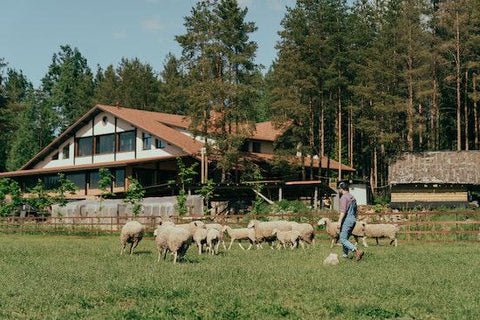
| 5 acres | Room for goats/sheep, larger orchard, more privacy, small woodlot |
| 10+ acres | Full livestock, firewood, hunting, significant privacy, expansion |
Legal and Zoning Considerations
Before purchasing any property, research local zoning laws and land use regulations. Some areas require a minimum lot size for building, restrict livestock, or limit alternative energy installations. Permits may be needed for wells, septic systems, or even gardens in certain regions. Always verify that your plans align with local rules to avoid costly surprises.
Making the Most of Your Land
No matter the acreage, thoughtful planning and efficient design can help you achieve your off-grid goals. Consider strategies like:
- Using raised beds and vertical gardening to maximize small spaces
- Rotational grazing to improve pasture health
- Harvesting rainwater and building swales for water management
- Integrating renewable energy systems sized for your needs
- Building multi-purpose structures to save space and resources
For inspiration on blending technology and sustainability, see our guide to modern off-grid homesteading.
Further Reading and Resources
For a deeper dive into the philosophy and practicalities of self-sufficient living, consider this comprehensive introduction to homesteading and off-grid life. It covers everything from daily routines to long-term sustainability.
Frequently Asked Questions
What is the smallest amount of land needed for off-grid living?
With intensive gardening and efficient design, some individuals manage on as little as a half-acre. However, most families find that one to two acres is the minimum for basic self-sufficiency, especially if they want to grow most of their own food and keep small animals.
How much land do I need to raise livestock off-grid?
The answer depends on the type and number of animals. Chickens and rabbits require very little space, but goats and sheep need at least a quarter to half an acre each for grazing. Cattle require one to two acres per animal, depending on pasture quality.
Is it better to have more land or better quality land?
Quality usually outweighs quantity. Fertile soil, reliable water, and good sun exposure can make a small property highly productive. Large, poor-quality parcels may require more work and resources to achieve the same results.