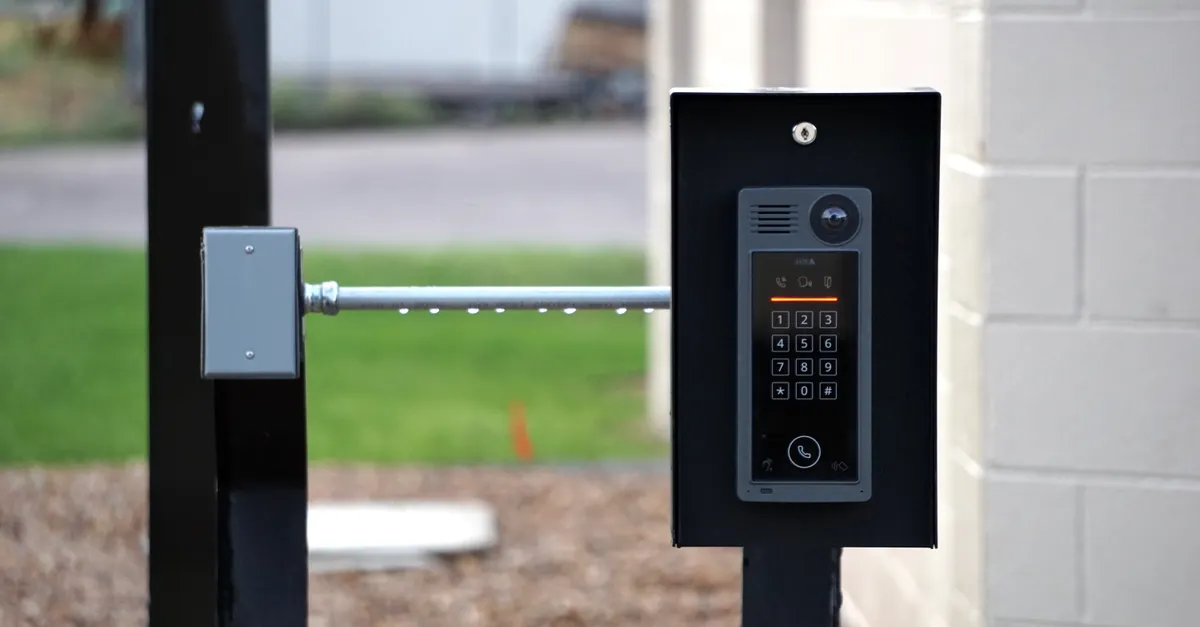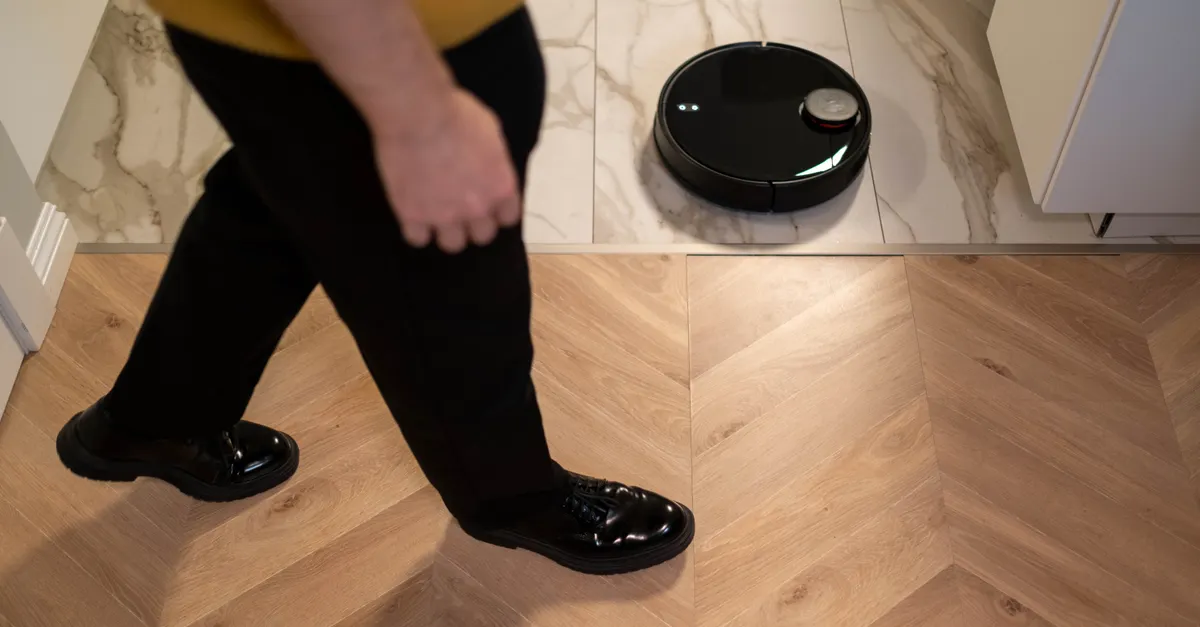
Managing energy efficiently is a top priority for anyone living away from public utilities. As more people embrace self-sufficient lifestyles, the integration of off-grid homestead automation has become a practical solution for optimizing resources and reducing manual labor. By leveraging technology, homesteaders can monitor, control, and maximize the use of solar, wind, and other renewable energy sources, ensuring that every watt is put to good use.
This article explores practical strategies and tools for automating energy systems in remote settings. Whether you’re just starting your journey or looking to upgrade an established setup, understanding how to automate and manage your energy can make daily life smoother and more sustainable. For a broader look at how technology is transforming rural living, check out this guide on smart tech for off-grid homes.
Why Automate Energy Use on a Remote Homestead?
Living independently from the grid means every resource counts. Automating energy systems allows homesteaders to:
- Reduce waste by matching energy production with consumption.
- Increase reliability through proactive monitoring and alerts.
- Save time by automating routine tasks like battery charging or generator start-up.
- Extend equipment life by preventing overuse or improper cycling.
These benefits free up time for other essential tasks and help ensure that critical systems—such as refrigeration, water pumps, and lighting—remain operational even during periods of low energy production.
Core Components of Automated Off-Grid Energy Systems
Building an effective automated setup involves several key elements. Here’s what to consider when planning your system:
1. Smart Energy Monitoring
At the heart of any automated homestead is a robust monitoring system. These devices track energy production (from solar panels, wind turbines, etc.) and consumption in real time. Many modern systems offer mobile apps or web dashboards, allowing you to check your status from anywhere on your property.
Look for monitors that can send alerts if batteries run low, if a generator needs to kick in, or if a system is malfunctioning. This proactive approach helps prevent outages and equipment damage.
2. Automated Power Switching and Load Management
When energy is limited, prioritizing essential loads is crucial. Automated transfer switches and smart load controllers can direct power where it’s needed most, shutting off non-essential circuits during peak demand or low production periods. This ensures that critical appliances always have the energy they need.
3. Renewable Energy Integration
Solar, wind, and even micro-hydro systems often produce variable amounts of power. Automation can help balance these sources, charging batteries when production is high and shifting loads to times of peak generation. Some systems can even forecast weather to optimize charging schedules.
Popular Automation Tools for Homesteaders
There’s a growing range of devices and platforms designed specifically for remote, self-sufficient living. Here are some of the most effective options:
- Programmable timers and relays: Automate irrigation, lighting, or charging cycles based on time of day or battery status.
- Smart inverters and charge controllers: Many modern inverters can communicate with batteries and loads, adjusting output automatically to maximize efficiency.
- Remote sensors: Wireless temperature, humidity, and occupancy sensors can trigger fans, heaters, or lights only when needed.
- Mobile apps and dashboards: Centralized control platforms let you monitor and adjust your system from a smartphone or computer.
For more inspiration on how others are using technology to streamline their rural lifestyles, read about off-grid living success stories.
Integrating Automation with Daily Homestead Life
The best automated systems are those that blend seamlessly into your daily routines. For example, you might set up your system to:
- Start a generator automatically when battery voltage drops below a set threshold.
- Turn off irrigation pumps during cloudy days to conserve stored energy.
- Send a text alert if the freezer temperature rises unexpectedly.
- Adjust lighting schedules seasonally to match daylight hours.
These small automations can add up to significant time and energy savings, especially during busy planting or harvest seasons.
Challenges and Considerations for Automated Off-Grid Setups
While automation brings many benefits, it’s important to be aware of potential challenges:
- System complexity: More automation means more components that could fail. Choose reliable brands and keep backups for critical parts.
- Power consumption: Some automation devices draw power continuously. Make sure their energy use is justified by the savings they provide.
- Maintenance: Automated systems still require regular checks and occasional updates. Schedule maintenance to avoid unexpected downtime.
- Security: If your system is internet-connected, use strong passwords and keep software up to date to prevent unauthorized access.
For those considering a move to a more self-reliant lifestyle, it’s helpful to review resources on transitioning to off-grid life and the realities of rural off-grid living.
Getting Started with Automated Energy Management
If you’re new to the concept, start small. Begin by monitoring your current energy use and identifying the most time-consuming or error-prone tasks. Gradually introduce automation—such as a smart inverter or a programmable relay—before scaling up to more complex systems.
For those interested in the latest advancements, explore modern off-grid homesteading solutions that integrate seamlessly with both traditional and high-tech approaches.
As you expand your setup, keep in mind the importance of redundancy and manual overrides. Technology should make life easier, but you should always be able to take control if needed.
Further Resources and Community Insights
Many homesteaders share their experiences and tips online. For a comprehensive overview of what it means to live independently, see this introduction to off-grid homesteading. Community forums, local workshops, and online courses can also provide valuable advice tailored to your region and climate.
Frequently Asked Questions
What is the first step to automating energy use on a remote property?
Begin by installing an energy monitoring system. This will help you understand your current usage patterns and identify where automation can have the biggest impact. From there, you can prioritize upgrades like smart inverters or programmable switches.
Can automation work with any renewable energy source?
Yes, most modern automation tools are compatible with solar, wind, and micro-hydro systems. The key is to choose controllers and sensors that match your specific equipment and voltage requirements.
How do I ensure my automated system is reliable?
Select high-quality components, perform regular maintenance, and keep manual overrides in place. It’s also wise to have spare parts on hand for critical devices and to test your system periodically.