Living independently from municipal utilities in regions with harsh winters presents unique challenges and rewards. For those considering off-grid homesteading in cold climates, success depends on careful planning, resilient infrastructure, and a willingness to adapt. This guide covers the essentials for thriving in frigid environments, from choosing the right shelter to ensuring year-round food and energy security. Whether you’re new to self-sufficient living or looking to refine your setup, you’ll find practical advice to help you build a sustainable and comfortable homestead even when the temperature drops.
If you’re interested in the broader realities of rural self-reliance, take a look at this detailed perspective on the rural off-grid lifestyle for an honest look at daily life and long-term sustainability.
Choosing the Right Shelter for Winter Resilience
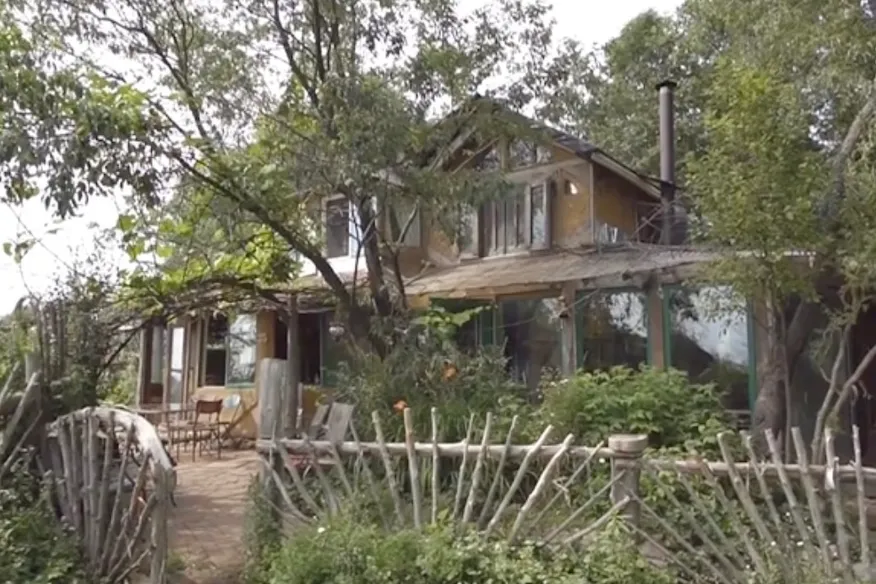
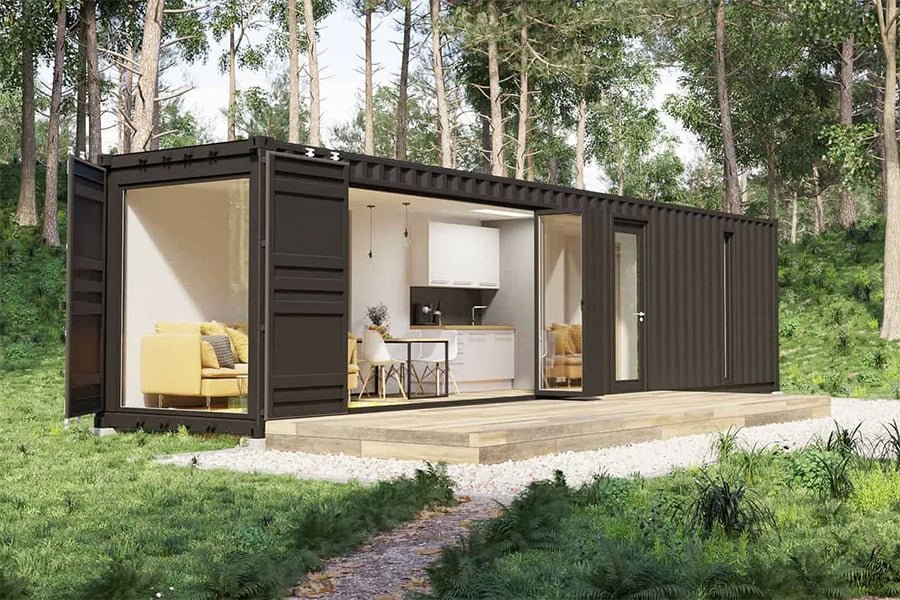
The foundation of any successful cold-climate homestead is a shelter that can withstand extreme weather. Insulation, airtight construction, and strategic orientation are crucial. Structures such as earth-bermed homes, log cabins, and modern tiny houses with high R-value insulation are popular choices. Shipping container homes, when properly insulated and ventilated, also offer durability and efficiency.
South-facing windows maximize passive solar gain, reducing heating needs. Double or triple-pane windows, insulated doors, and thermal curtains help retain warmth. Don’t overlook the importance of a well-sealed roof and foundation to prevent heat loss and moisture intrusion.
Heating and Energy Solutions for Off-Grid Winters
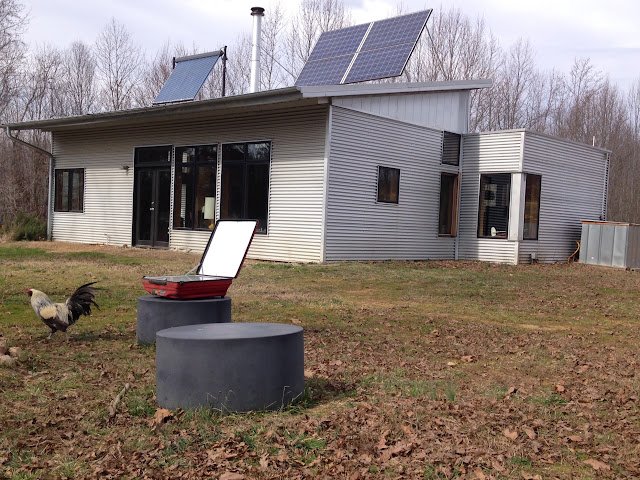
Reliable heat is non-negotiable when living off the grid in cold regions. Wood stoves remain a favorite for their simplicity and ability to heat both living spaces and water. Rocket mass heaters and masonry stoves offer even greater efficiency, using less wood and retaining heat longer. For those with access to sunlight, solar air heaters and passive solar design can supplement traditional heating methods.
Powering your homestead requires a blend of renewable sources. Solar panels, wind turbines, and micro-hydro systems can all contribute, but winter brings shorter days and potential snow cover. Battery banks must be sized for longer periods without sun, and backup generators (preferably propane or diesel) provide peace of mind during extended storms. Energy conservation is just as important: LED lighting, energy-efficient appliances, and mindful usage help stretch your resources.
For more on adapting to this lifestyle, the article on transitioning to off-grid life offers practical steps and mindset shifts for newcomers.
Water Sourcing and Management in Freezing Temperatures
Access to fresh water can be a significant challenge in subzero conditions. Wells with insulated pump houses and frost-proof hydrants are common solutions. Some homesteaders use hand pumps or solar-powered pumps with deep-well systems. To prevent freezing, pipes should be buried below the frost line and insulated. Heated water storage tanks or indoor cisterns offer backup during prolonged cold snaps.
Melting snow is a last resort, as it requires considerable energy and yields less water than expected. Rainwater catchment is possible during shoulder seasons, but tanks must be protected from freezing. Greywater recycling can reduce overall demand, especially for non-potable uses like flushing toilets or irrigating winter greenhouses.
Food Production and Storage for Year-Round Security
Growing food off the grid in northern climates means adapting to short seasons and unpredictable weather. Cold frames, hoop houses, and insulated greenhouses extend the growing period, allowing for fresh greens and hardy vegetables even when snow is on the ground. Raised beds warm up faster in spring and can be protected with row covers.
Root cellars, buried barrels, and insulated pantries provide natural refrigeration for storing potatoes, carrots, squash, and canned goods. Fermentation, dehydration, and freezing (if you have sufficient power) are popular preservation methods. Livestock such as chickens and goats can thrive with proper shelter and heated waterers, providing eggs, milk, and meat throughout winter.
For a step-by-step approach to starting your own sustainable setup, this comprehensive beginner’s roadmap to frugal off-grid homesteading covers planning, budgeting, and essential skills.
Essential Skills and Mindset for Cold-Climate Independence
Beyond infrastructure, personal skills and adaptability are vital. Firewood management, basic carpentry, plumbing repairs, and first aid are everyday necessities. Learning to monitor weather patterns, manage supplies, and troubleshoot systems will help you stay ahead of potential problems.
Community connections, even in remote areas, can be a lifeline. Bartering, sharing resources, and exchanging knowledge with neighbors or online groups can make a big difference. For inspiration and practical examples, explore these off-grid living success stories from people who have built resilient lives in challenging conditions.
Modern Tools and Smart Solutions for Off-Grid Living
New technologies are making self-sufficient living more accessible and efficient. Solar charge controllers, remote monitoring systems, and energy-efficient appliances help optimize resources. Automatic chicken coop doors, smart thermostats, and weatherproof sensors can reduce daily workload and improve animal welfare.
For a look at how technology can enhance traditional skills, see how modern off-grid homesteading blends innovation with time-tested practices.
Preparing for Emergencies and Unexpected Events
Winter storms, power outages, and supply chain disruptions are realities in isolated locations. Keep a backup supply of food, water, and fuel for at least several weeks. Redundant heating sources, extra blankets, and a well-stocked first aid kit are essential. Regularly test backup generators and maintain all equipment before winter sets in.
Communication tools such as two-way radios or satellite messengers can be crucial when cell service is unreliable. Develop a plan for medical emergencies, including knowledge of the nearest clinics and evacuation routes.
For a glimpse into what daily routines look like in these settings, read about daily life off-grid homestead experiences and how others manage the rhythm of remote living.
Frequently Asked Questions
What are the biggest challenges of self-sufficient living in cold regions?
The most significant obstacles include maintaining heat, ensuring a reliable water supply, and producing or storing enough food for winter. Energy management and backup systems are crucial, as is learning to adapt to unpredictable weather and isolation.
How do you keep water from freezing on a remote homestead?
Insulating pipes, burying them below the frost line, and using heated storage tanks or pump houses are common strategies. Some homesteaders use solar or propane heaters to keep water systems operational during extreme cold.
Can you grow food year-round without grid power?
With cold frames, greenhouses, and proper planning, it’s possible to harvest fresh greens and hardy crops even in winter. Food preservation techniques and root cellars help store produce for the months when outdoor growing isn’t feasible.
Is off-grid living in northern climates suitable for beginners?
While it’s possible, starting in a cold region requires extra preparation and a willingness to learn. Many recommend gaining experience in milder climates or starting with seasonal stays before committing year-round.