Creating the right atmosphere in your home is easier than ever with the rise of smart lighting. Whether you want to unwind after a long day, energize your mornings, or host a cozy gathering, the right lighting can transform any space. This smart lighting mood lighting guide will walk you through the essentials of using connected bulbs and fixtures to set the perfect vibe for every occasion.
Modern smart lighting systems offer a blend of convenience, customization, and energy efficiency. With the ability to adjust brightness, color temperature, and even hue from your phone or voice assistant, you can fine-tune your environment to match your mood or activity. If you’re new to smart lighting or looking to upgrade your setup, this article covers everything you need to know to get started and make the most of your investment.
For those interested in optimizing brightness as well as mood, the smart lighting brightness levels guide offers a deep dive into mastering lumens for every room.
Why Mood Lighting Matters in Modern Homes
Lighting does more than simply illuminate a space—it shapes how we feel and interact with our environment. Thoughtful use of smart mood lighting can:
- Promote relaxation by using warm, dimmed tones in the evening
- Boost productivity with cool, bright light during the day
- Enhance social gatherings by setting dynamic scenes and colors
- Support better sleep through gradual dimming and color temperature shifts
Smart lighting systems allow you to automate these changes, ensuring your home always feels inviting and functional.
Key Features to Look for in a Smart Lighting System
When choosing products for your connected home, consider these important features:
- Adjustable Color Temperature: Switch between warm and cool whites to match your activity or time of day.
- Full Color Control: Many bulbs offer millions of colors, perfect for parties or accent lighting.
- Dimming Capability: Fine-tune brightness for reading, movie nights, or winding down.
- Voice and App Control: Use your smartphone or smart speaker for hands-free adjustments.
- Scheduling and Automation: Set routines that adjust lighting automatically based on your preferences.
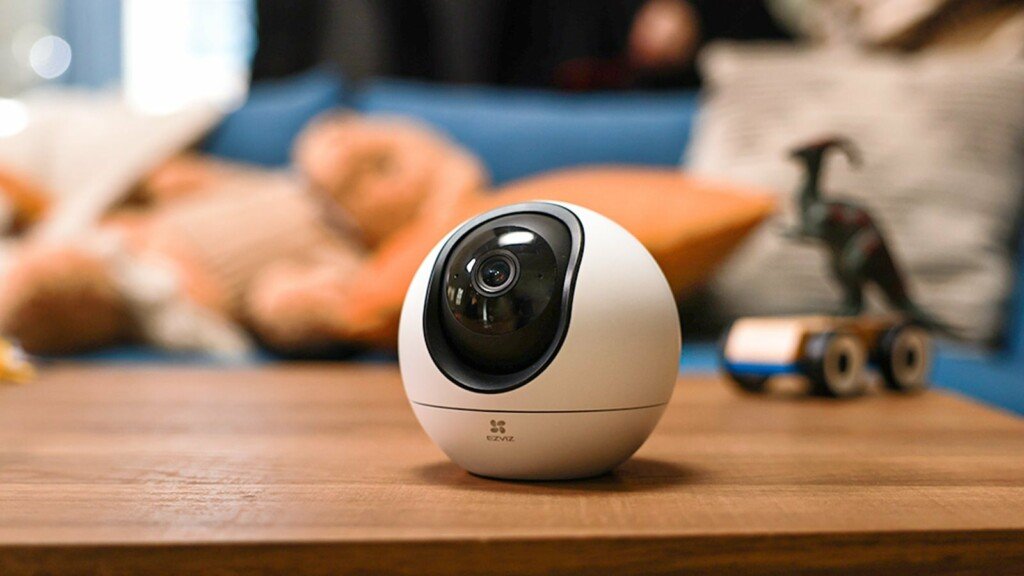
- Integration with Other Smart Devices: Connect lights to motion sensors, doorbells, or security systems for added convenience and safety.
For a detailed look at how color temperature impacts mood and function, the smart lighting color temperature explained resource is invaluable.
Setting the Mood: Practical Scene Ideas
One of the biggest advantages of smart lighting is the ability to create and save scenes—preset combinations of color, brightness, and timing. Here are some popular scene ideas to inspire your setup:
- Relaxation: Soft, warm white or amber tones at low brightness help signal your body to unwind.
- Focus: Cool, bright whites mimic daylight and can help you stay alert while working or studying.
- Entertainment: Dynamic color-changing effects or themed palettes (like blue and purple for movie night) add excitement to your living room.
- Wake-Up Routine: Gradually increasing brightness in the morning can help you wake up naturally.
- Bedtime: Slow fades to warmer tones help prepare your mind for sleep.
Many smart lighting apps come with preloaded scenes, or you can create your own to match your lifestyle.
How to Choose the Right Bulbs and Fixtures
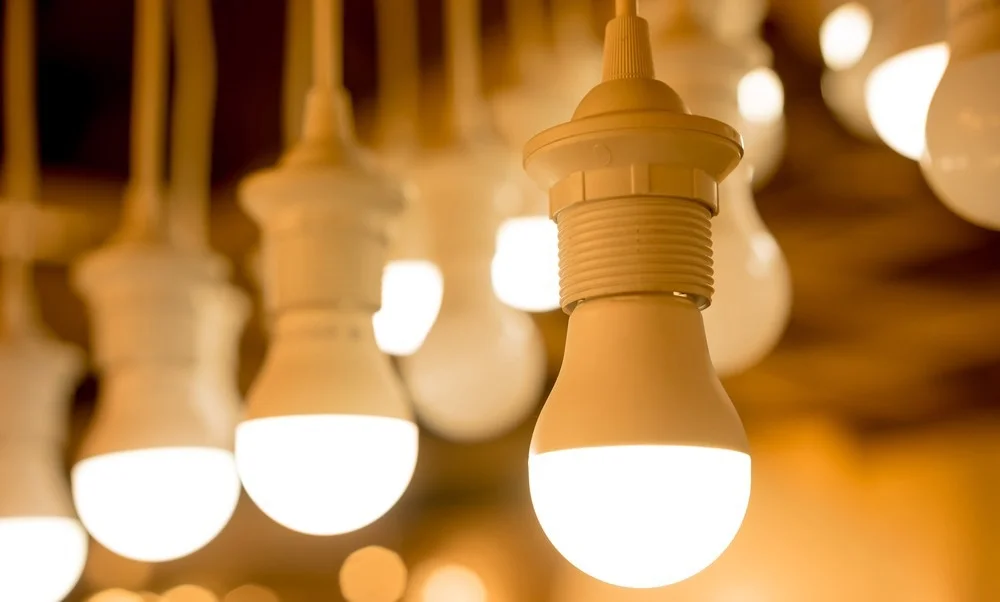
Not all smart bulbs are created equal. Here’s what to keep in mind when shopping for your home:
- Compatibility: Make sure your chosen bulbs work with your existing smart home platform (such as Alexa, Google Assistant, or Apple HomeKit).
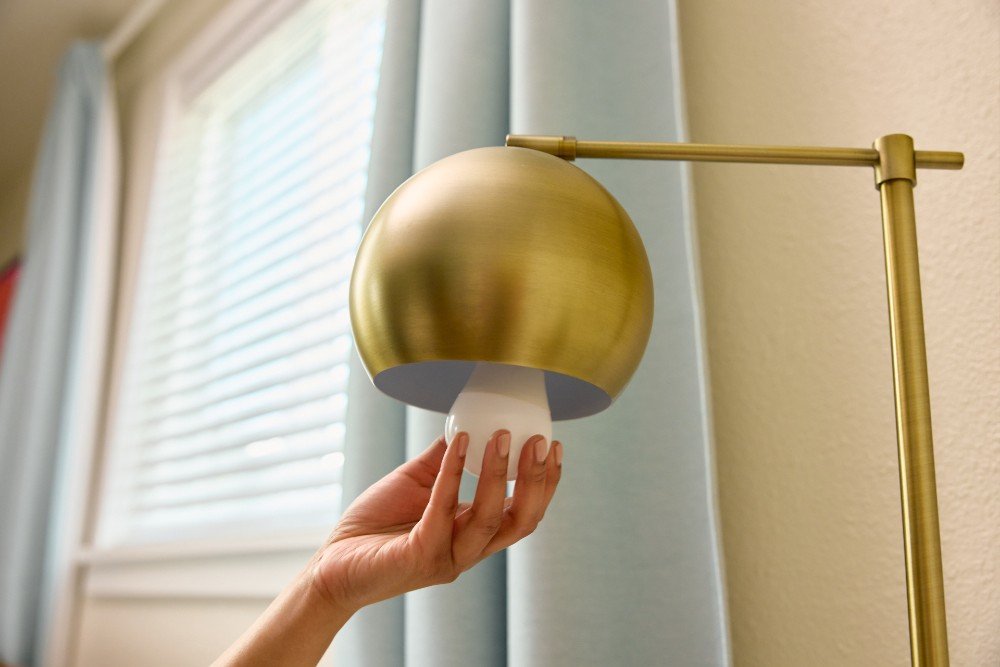
- Socket Type: Check that the bulb fits your fixtures (E26, GU10, etc.).
- Brightness: Look for bulbs with adjustable lumens to suit different room sizes and purposes. For more on this, see the smart lighting brightness levels guide.
- Energy Efficiency: LED smart bulbs are the most cost-effective and long-lasting option.
- Outdoor Use: If you want to extend mood lighting to your garden or patio, select bulbs rated for outdoor use. The smart lighting for garden ambiance article offers tips for enchanting nightscapes.
Some starter kits include everything you need to get going, while others let you build your system piece by piece.
Integrating Smart Lighting With Daily Life
Once your system is set up, the real magic happens with automation and integration. Here are some practical ways to weave smart lighting into your routines:
- Automated Schedules: Set lights to turn on or off at specific times, or to mimic sunrise and sunset.
- Motion Sensors: Lights can automatically brighten when you enter a room or dim when you leave, saving energy and enhancing convenience.
- Voice Commands: Instantly adjust lighting scenes with simple voice prompts, perfect for hands-free control while cooking or relaxing.
- Security Integration: Link lighting to your security system for added peace of mind—lights can flash or turn on in response to alarms or doorbell activity.
For more ideas on using smart lighting for safety, check out the smart lighting for stairs safety and smart lighting for garage safety guides.
Tips for Getting the Most Out of Your Smart Lighting
To maximize the benefits of your connected lighting system, keep these tips in mind:
- Experiment with Scenes: Don’t be afraid to try different color and brightness combinations to discover what feels best in each room.
- Use Grouping: Control multiple bulbs or fixtures together for seamless transitions and consistent ambiance.
- Leverage Routines: Automate daily actions like turning off all lights at bedtime or gradually brightening lights in the morning.
- Stay Updated: Many manufacturers release new features through app updates, so check regularly for enhancements.
- Explore Upgrades: If you’re considering a full overhaul, this comprehensive guide to upgrading to smart lighting covers the latest trends and technologies.
Frequently Asked Questions
What is the difference between mood lighting and regular lighting?
Regular lighting is designed primarily for visibility and function, while mood lighting focuses on creating a specific atmosphere or emotional response. With smart systems, you can easily switch between both by adjusting color, brightness, and scheduling.
Can I use smart bulbs in any light fixture?
Most smart bulbs are designed to fit standard sockets, but always check compatibility with your fixture’s size and wattage requirements. For specialty fixtures or outdoor use, look for bulbs specifically rated for those environments.
Do I need a hub to control smart lighting?
Some smart bulbs require a dedicated hub, while others connect directly to Wi-Fi or Bluetooth. Hubs can offer more advanced features and better integration with other smart devices, but many popular options work independently.
Conclusion
Smart lighting gives you powerful tools to shape the mood and functionality of your home. By choosing the right bulbs, experimenting with scenes, and integrating automation, you can create an environment that adapts to your needs and preferences. Whether you’re looking to relax, entertain, or simply make daily life more convenient, connected lighting solutions offer flexibility and control that traditional bulbs can’t match.