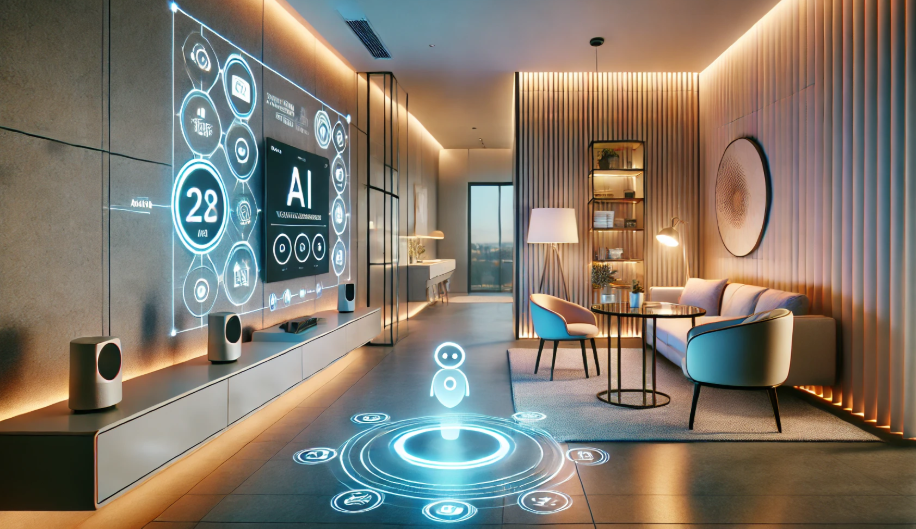
Smart lighting has rapidly become one of the most popular entry points for homeowners looking to embrace connected living. As part of the broader world of smart home basics, intelligent lighting systems offer convenience, energy savings, and a new level of control over your environment. Whether you’re just starting to explore home automation or seeking ways to expand your setup, understanding how these technologies work together can help you create a more comfortable and efficient living space.
In this guide, we’ll break down the essentials of smart lighting, explain how it fits into the foundation of a connected home, and share practical tips for choosing and using these systems. You’ll also discover how to set up scenes, automate routines, and ensure compatibility with your existing devices. For those interested in customizing their lighting experience, the smart lighting scenes setup guide offers step-by-step instructions for creating the perfect ambiance in any room.
Understanding Connected Lighting and Home Automation
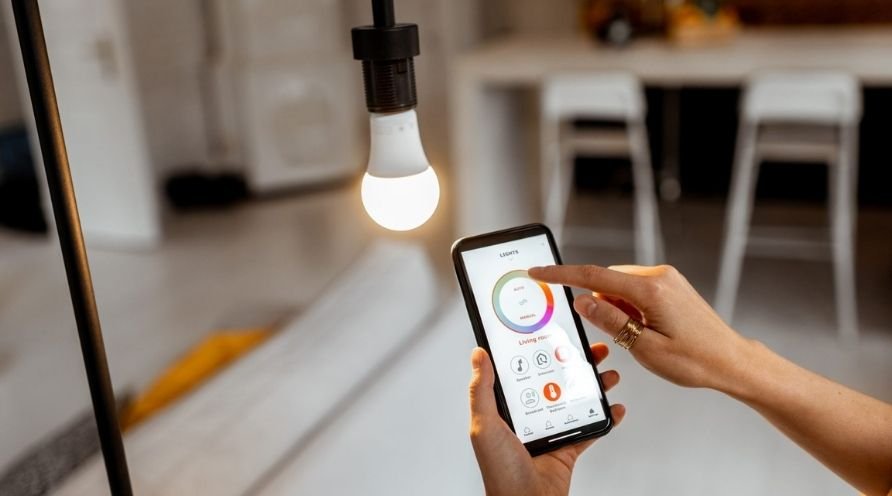
At its core, smart lighting and smart home basics refer to the integration of intelligent lighting systems with other connected devices in your household. These lighting solutions replace traditional bulbs and switches with Wi-Fi, Zigbee, or Bluetooth-enabled alternatives that can be managed remotely through a smartphone app, voice assistant, or automation hub.
Key features of modern smart lighting include:
- Remote control via mobile apps or voice commands
- Customizable brightness and color temperature
- Scheduling and automation for routines
- Integration with sensors for occupancy or daylight adjustment
- Compatibility with other smart home devices
When combined with other foundational elements of a connected home—such as smart thermostats, locks, and security systems—these lighting solutions can significantly enhance comfort, security, and energy efficiency.
Benefits of Integrating Smart Lighting Into Your Home
Adding intelligent lighting to your home’s automation ecosystem brings a variety of practical advantages. Here are some of the most compelling reasons homeowners are making the switch:
- Energy savings: Automated schedules and occupancy sensors help ensure lights are only on when needed, reducing unnecessary electricity consumption.
- Convenience: Control your lights from anywhere, set scenes for different activities, and adjust settings without leaving your seat.
- Enhanced security: Use lighting schedules or randomization to make your home look occupied when you’re away, deterring potential intruders.
- Personalization: Create custom lighting moods for movie nights, dinner parties, or relaxation with just a tap or voice command.
For a deeper look at the advantages, explore the benefits of smart lights for homes and learn how these systems can transform your daily routines.
Choosing the Right Lighting System for Your Connected Home
Selecting the best smart lighting products depends on your current setup, budget, and desired features. Here are some factors to consider:
- Platform compatibility: Ensure your bulbs, switches, or hubs work with your preferred voice assistant (Amazon Alexa, Google Assistant, Apple HomeKit) and any existing automation systems.
- Connectivity: Some devices use Wi-Fi, while others rely on Zigbee or Bluetooth. Check your home’s network coverage and hub requirements before purchasing.
- Features: Decide if you want basic dimming, color-changing options, or advanced automation such as geofencing and integration with sensors.
- Expandability: Choose a system that allows you to add more lights or devices over time as your needs evolve.
For help ensuring seamless integration, the smart lighting compatibility guide provides detailed information on matching bulbs, switches, and hubs with your home’s technology ecosystem.
Getting Started: Setup and Automation Tips
Once you’ve selected your lighting products, installation is typically straightforward. Most smart bulbs simply screw into existing sockets, while switches may require basic wiring. After installation, use the manufacturer’s app to connect your devices to your Wi-Fi or hub, assign them to rooms, and set up initial preferences.
To maximize the benefits of your system, consider these automation ideas:
- Set schedules for morning wake-ups and evening wind-downs
- Use motion sensors to activate lights in hallways or bathrooms
- Create scenes for activities like reading, dining, or entertaining
- Integrate with other smart devices for routines (e.g., lights off when you leave home)
For more inspiration, check out these smart lighting automation ideas that can simplify your daily life and add convenience to your routines.
Maintaining and Troubleshooting Your Smart Lighting Setup
Keeping your lighting system running smoothly is essential for long-term satisfaction. Regularly check for firmware updates in your device app, and clean bulbs and fixtures to maintain brightness and efficiency. If you encounter issues such as connectivity drops or unresponsive lights, refer to a smart lighting troubleshooting tips resource for step-by-step solutions.
Additionally, prolong the lifespan of your bulbs and devices by following a smart lighting maintenance guide that covers cleaning, placement, and best practices for optimal performance.
Expanding Your Smart Home Beyond Lighting
Once you’re comfortable with the basics of connected lighting, consider integrating other smart devices for a more comprehensive home automation experience. Popular additions include:
- Smart thermostats for climate control
- Security cameras and sensors
- Automated locks and doorbells
- Voice assistants for centralized control
By building on your foundation of smart lighting, you can create a home that’s not only more convenient but also safer and more energy-efficient. Always check compatibility before adding new devices to ensure seamless operation across your ecosystem.
Frequently Asked Questions
What do I need to get started with smart lighting?
To begin, you’ll need compatible smart bulbs or switches, a stable Wi-Fi network or a hub (depending on the product), and a smartphone or tablet for setup. Many systems are designed for easy installation and can be expanded as your needs grow.
Can I use smart lighting with my existing switches?
Yes, many systems offer smart switches that replace traditional wall switches, allowing you to control standard bulbs. Alternatively, you can use smart bulbs in existing fixtures and control them via app or voice assistant. For best results, avoid turning off power at the wall switch, as this can disconnect smart bulbs from your network.
How secure are smart lighting systems?
Most reputable brands use encryption and regular security updates to protect your data and devices. To maximize security, always use strong passwords, keep your device firmware updated, and connect devices to a secure home network.