Understanding the nuances of smart lighting color temperature is essential for anyone looking to create the perfect ambiance at home or work. The right lighting can influence mood, productivity, and even safety. With the rise of smart bulbs and connected lighting systems, it’s easier than ever to fine-tune the warmth or coolness of your lights using a simple app or voice command. But what exactly does “color temperature” mean, and how do you use it to your advantage?
This guide breaks down the Kelvin scale, explores how color temperature impacts different spaces, and provides practical advice for choosing and adjusting smart lighting. Whether you’re setting up a cozy living room, a focused home office, or safe stairway illumination, understanding these concepts will help you make informed decisions for your environment.
For those interested in how lighting can enhance safety, check out our smart lighting for stairs safety article, which covers practical solutions to prevent trips and falls.
What Is Color Temperature? The Kelvin Scale Demystified
Color temperature describes the appearance of light emitted by a bulb, measured in Kelvins (K). It ranges from warm, yellowish tones to cool, bluish hues. The Kelvin scale provides a standardized way to compare and select lighting based on its visual warmth or coolness:
- Warm White (2,000K–3,000K): Soft, yellow light similar to traditional incandescent bulbs. Ideal for living rooms, bedrooms, and dining areas where a cozy atmosphere is desired.
- Neutral White (3,100K–4,500K): Balanced white light, often used in kitchens, bathrooms, and workspaces for clarity without harshness.
- Cool White/Daylight (4,600K–6,500K): Crisp, blue-toned light that mimics daylight. Perfect for task lighting, garages, and areas where alertness and visibility are important.
Smart bulbs allow you to adjust these settings on demand, making it easy to tailor your lighting to different activities or times of day. This flexibility is a key advantage of modern smart lighting systems.
Why Color Temperature Matters in Smart Lighting
The ability to control color temperature isn’t just a technical feature—it has real-world benefits. Here’s why it’s important:
- Enhances Mood: Warm light can help you relax in the evening, while cooler tones can boost focus and energy during the day.
- Supports Health: Exposure to the right light at the right time can help regulate your circadian rhythm, improving sleep and alertness.
- Improves Functionality: Adjusting color temperature for specific tasks—like cooking, reading, or working—can reduce eye strain and improve performance.
- Boosts Safety: Proper lighting in stairways, hallways, and bathrooms can prevent accidents, especially at night.
For more on optimizing lighting for productivity, see our smart lighting for home office productivity guide.
How to Choose the Right Color Temperature for Each Room
Every space in your home has unique lighting needs. Here’s how to select the best color temperature for common areas:
| Room | Recommended Kelvin Range | Purpose |
|---|---|---|
| Living Room | 2,700K–3,000K | Relaxation, socializing |
| Kitchen | 3,500K–4,500K | Task lighting, food prep |
| Bathroom | 3,500K–5,000K | Clarity for grooming |
| Home Office | 4,000K–6,000K | Focus, productivity |
| Bedroom | 2,700K–3,000K | Winding down, reading |
| Outdoor | 3,000K–5,000K | Security, visibility |
Smart lighting systems let you customize these settings for each room, and even automate changes throughout the day.
Adjusting Smart Lighting Color Temperature: Practical Tips
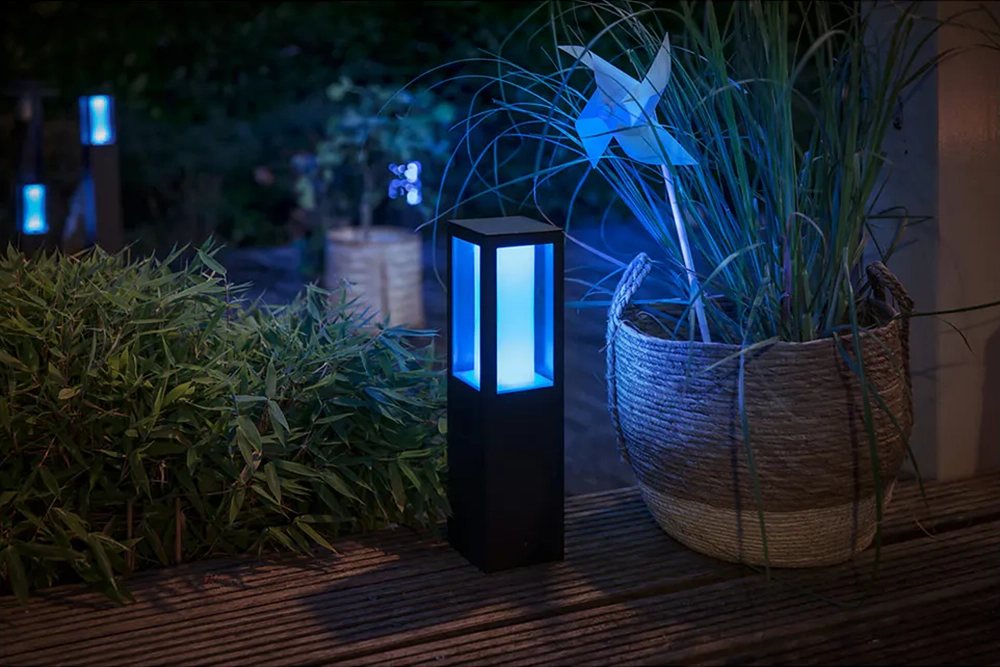
Modern smart bulbs and fixtures make it easy to change color temperature with just a tap or voice command. Here are some practical ways to use this feature:
- Morning Routine: Set lights to a cooler, daylight tone to help wake up and energize your household.
- Evening Wind-Down: Shift to warmer tones as bedtime approaches to support relaxation and melatonin production.
- Task-Based Scenes: Create custom scenes for activities like cooking, reading, or video calls, each with its own optimal color temperature.
- Automate with Schedules: Many smart lighting systems let you automate changes based on time of day or activity, ensuring the right light is always available.
For a deeper dive into task and mood illumination, see our smart lighting for kitchen guide.
Benefits of Smart Lighting and Color Temperature Control
Adopting smart lighting goes beyond convenience. Here are some of the most impactful advantages:
- Energy Efficiency: Smart LEDs use less power and last longer than traditional bulbs, reducing both costs and environmental impact.
- Personalized Comfort: Instantly adapt lighting to your preference, whether you want a bright workspace or a soft, relaxing glow.
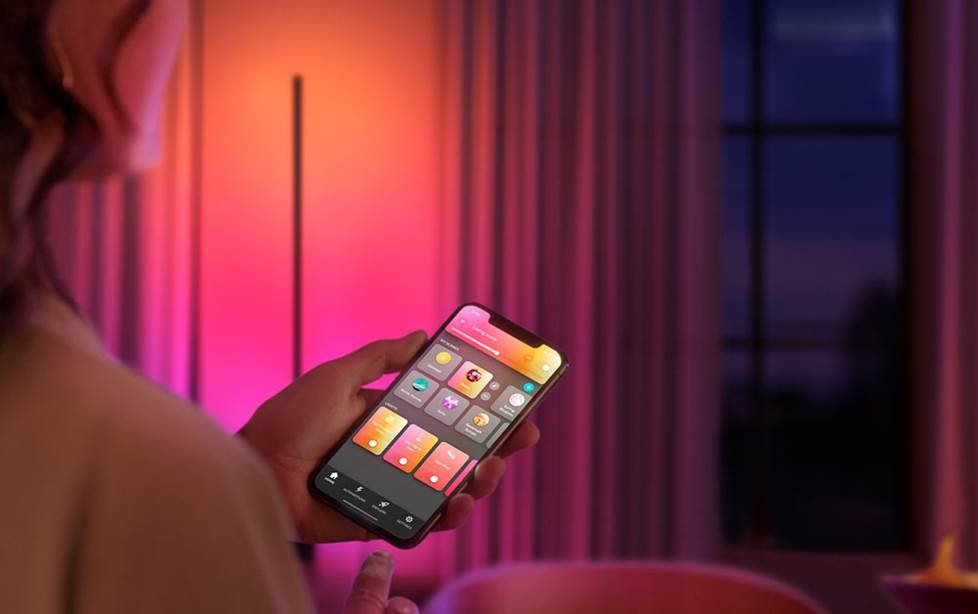
- Remote Access: Control your lights from anywhere using your smartphone, perfect for security or managing energy when away from home.
- Integration with Other Smart Devices: Connect lighting to sensors, alarms, or voice assistants for a seamless smart home experience.
For businesses and organizations, LED smart lighting can transform workspaces by improving productivity, safety, and sustainability.
Common Mistakes to Avoid When Setting Color Temperature
While smart lighting offers flexibility, there are a few pitfalls to watch out for:
- Overusing Cool Light at Night: Exposure to blue-toned light in the evening can disrupt sleep patterns. Use warmer tones after sunset.
- Ignoring Room Function: Don’t use the same color temperature everywhere. Match lighting to the activity and mood of each space.
- Neglecting Dimming: Brightness and color temperature work together. Adjust both for the best results, especially in multi-use rooms.
- Forgetting Automation: Take advantage of schedules and routines to automate changes, so you don’t have to adjust settings manually every time.
For more ideas on automating lighting for convenience and safety, see our smart lighting for hallway automation resource.
FAQ
What is the best color temperature for a bedroom?
For bedrooms, a warm white range of 2,700K to 3,000K is recommended. This creates a relaxing atmosphere and supports healthy sleep patterns. Smart bulbs make it easy to adjust the tone for reading or winding down at night.
Can smart lighting help improve productivity?
Yes, using cooler color temperatures (4,000K–6,000K) in workspaces can enhance alertness and focus. Many smart lighting systems allow you to set schedules or scenes that automatically adjust lighting for work hours and relaxation times.
How do I know which color temperature to use in my kitchen?
Kitchens benefit from neutral to cool white lighting (3,500K–4,500K), which provides clarity for food prep and cleaning. Smart lighting lets you switch to warmer tones for dining or entertaining, offering flexibility for different activities.
Are smart bulbs energy efficient?
Most smart bulbs use LED technology, which is highly energy efficient and long-lasting. They also offer dimming and scheduling features to further reduce energy consumption.
Can I automate color temperature changes with smart lighting?
Absolutely. Most smart lighting platforms allow you to set routines or schedules that automatically adjust color temperature based on time of day, activity, or even sunrise and sunset.