Transforming your outdoor space into a captivating retreat is easier than ever with smart lighting for garden ambiance. Modern lighting technology lets you create enchanting nightscapes, set the mood for gatherings, and improve safety—all with just a few taps on your smartphone or through voice commands. Whether you want to highlight your favorite plants, illuminate pathways, or add a magical glow to evening events, smart garden lights offer flexibility and control that traditional fixtures simply can’t match.
As more homeowners embrace connected devices, outdoor lighting has become a key element in landscape design. With features like color-changing LEDs, scheduling, and automation, you can personalize your garden’s nighttime look and feel for any occasion. This guide explores the essentials of smart outdoor lighting, from choosing the right products to practical installation tips and creative ideas for every style of garden.

For those interested in other ways to enhance home safety and convenience, consider exploring smart lighting for stairs safety to prevent trips and falls indoors.
Why Choose Connected Lighting for Your Outdoor Space?
Smart outdoor lighting systems bring a host of benefits that go beyond simple illumination. Here’s why more homeowners are making the switch:
- Convenience: Control your garden lights from anywhere using your phone or voice assistant.
- Customization: Adjust brightness, color, and schedules to suit different moods or events.
- Energy Efficiency: LED technology and automation features help reduce energy consumption.
- Security: Automated lighting deters intruders and improves visibility around your property.
- Easy Integration: Many systems work seamlessly with smart home platforms like Alexa, Google Assistant, and Apple HomeKit.
By leveraging these features, you can create a welcoming and secure environment that enhances both the beauty and functionality of your garden.
Types of Smart Lighting for Garden Ambiance
There are several categories of connected outdoor lights, each offering unique effects and installation options. Here’s a breakdown of popular choices:
- Pathway Lights: Ideal for guiding guests along walkways and defining borders. These are often low-voltage and can be spaced along paths or driveways.
- Spotlights and Floodlights: Perfect for highlighting trees, sculptures, or architectural features. Adjustable heads let you direct light exactly where it’s needed.
- String and Festoon Lights: Add a festive or romantic touch to patios, pergolas, or fences. Many models offer color and brightness control for different occasions.
- Deck and Step Lights: Enhance safety and ambiance on stairs, decks, and raised beds. These are typically compact and low-profile.
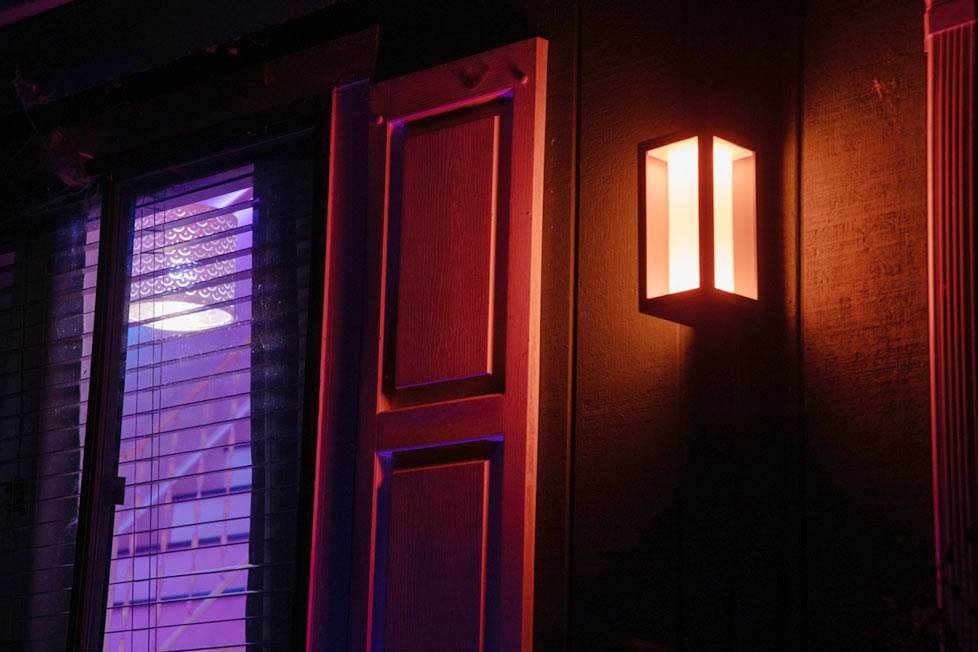
- Wall and Sconce Lights: Mounted on exterior walls, these fixtures provide general illumination and can be used for accent lighting.
Most smart outdoor lights are weather-resistant and designed to withstand the elements, making them suitable for year-round use.
Key Features to Look For in Outdoor Connected Lighting
When selecting products for your garden, consider these essential features to maximize both performance and enjoyment:
- Weatherproof Design: Ensure fixtures are rated for outdoor use (look for IP65 or higher ratings).
- Wireless Connectivity: Wi-Fi, Zigbee, or Bluetooth options allow for flexible control and integration.
- Color and Dimming: Choose lights that offer a wide range of colors and adjustable brightness to set the perfect mood.
- Scheduling and Automation: Set timers, routines, or use sensors for hands-free operation.
- Voice Control: Compatibility with Alexa, Google Assistant, or Siri adds convenience.
- Energy Efficiency: Opt for LED-based solutions to save on electricity and maintenance.
These features not only enhance your garden’s atmosphere but also make daily use effortless and efficient.
Installation Tips for a Seamless Outdoor Lighting Experience
Setting up smart lighting for garden ambiance is straightforward, but a few best practices can help you achieve the best results:
- Plan Your Layout: Sketch your garden and mark where you want to place each fixture. Consider focal points, pathways, and areas needing extra visibility.
- Check Power Sources: Some smart lights are solar-powered, while others require access to outdoor outlets. Make sure your chosen spots have the necessary power supply.
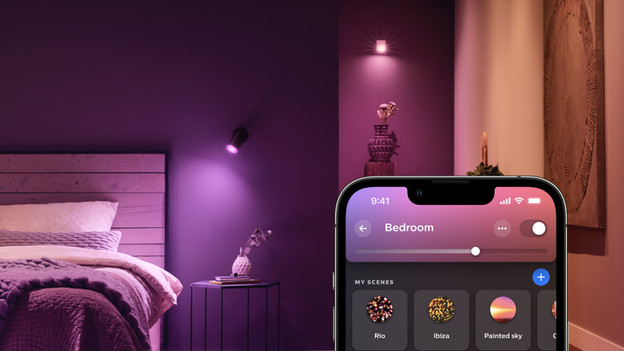
- Group and Zone Lights: Use your app to group lights by area (e.g., patio, path, flower beds) for easier control and automation.
- Test Before Final Placement: Temporarily set up fixtures and test different settings at night to ensure you achieve the desired effect.
- Secure Connections: Use weatherproof connectors and cable covers to protect wiring from moisture and damage.
Following these steps will help you create a reliable and visually stunning outdoor lighting setup.
Creative Ideas for Magical Nighttime Landscapes
With the flexibility of connected lighting, you can experiment with various effects to suit your mood or event. Here are some inspiring ideas:
- Color Washes: Use RGB lights to bathe trees, shrubs, or walls in vibrant hues for parties or holidays.
- Subtle Pathway Glows: Set pathway lights to warm white for a welcoming, understated look that guides guests safely.
- Accent Water Features: Place spotlights near ponds or fountains to create shimmering reflections at night.
- Seasonal Scenes: Program your system to change colors for Halloween, Christmas, or summer evenings.
- Automated Dimming: Gradually dim lights as the evening progresses for a relaxing transition to nighttime.
Experimenting with placement and color can help you discover new ways to enjoy your garden after dark.
Integrating Outdoor Lighting With Your Smart Home
Many modern lighting systems are designed to work with popular smart home platforms. This allows you to:
- Control all your indoor and outdoor lights from a single app.
- Set up routines that automatically turn on garden lights at sunset or when you arrive home.
- Use voice commands to adjust brightness or color without reaching for your phone.
- Integrate with other devices, such as motion sensors, security cameras, or weather stations.
For more information on how connected lighting can benefit your home, see this detailed overview on the advantages of smart lighting systems.
If you’re interested in automating other areas, check out our guide to smart lighting for hallway automation for tips on never walking in the dark indoors.
Maintenance and Troubleshooting Tips
To keep your outdoor lighting system running smoothly, follow these simple maintenance tips:
- Clean Fixtures Regularly: Remove dirt, leaves, and debris to maintain brightness and appearance.
- Check Connections: Inspect wiring and connectors for signs of wear or water ingress, especially after storms.
- Update Firmware: Keep your lights’ software up to date for new features and security patches.
- Replace Faulty Bulbs: Swap out any non-functioning bulbs promptly to ensure even illumination.
Most issues can be resolved by resetting the device or checking your network connection. Refer to the manufacturer’s instructions for specific troubleshooting steps.
Frequently Asked Questions
Can I install smart garden lights myself, or do I need a professional?
Most smart outdoor lighting kits are designed for easy DIY installation, especially solar or battery-powered models. For wired systems or complex setups, you may want to consult a licensed electrician to ensure safety and compliance with local codes.
Will smart outdoor lights work with my existing home automation system?
Many brands are compatible with major platforms like Alexa, Google Assistant, and Apple HomeKit. Always check product specifications to confirm integration with your preferred ecosystem before purchasing.
How do I protect my outdoor lights from weather damage?
Choose fixtures rated for outdoor use (IP65 or higher) and ensure all connections are weather-sealed. Regular maintenance, such as cleaning and inspecting for damage, will help extend the life of your lights.
For further inspiration on using technology to enhance your living spaces, you might also enjoy our kitchen lighting guide and tips for improving home office productivity with smart lighting.