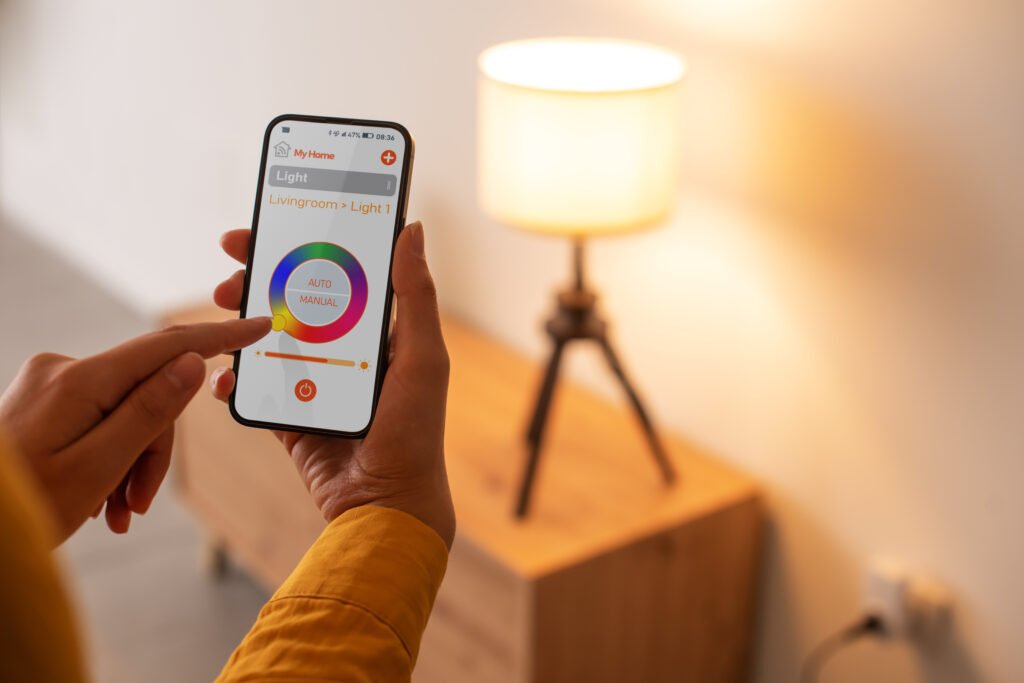
As homes and businesses adopt more connected devices, understanding smart lighting reliability becomes essential. Lighting systems that can be controlled remotely, automated, or integrated with voice assistants offer convenience and energy savings. But how dependable are these systems in real-world use? This article breaks down the factors that impact reliability, common issues, and what you can do to ensure your smart lighting setup is trustworthy and consistent.
Before diving into the details, it’s helpful to recognize that no technology is flawless. Even the most advanced smart lighting products can encounter hiccups. By knowing what to expect and how to address potential problems, you can make informed decisions and get the most from your investment.
For a deeper look at the limitations and challenges of connected lighting, see smart lighting limitations explained. Understanding both the strengths and weaknesses of these systems will help you set realistic expectations and choose the right products for your needs.
What Determines the Reliability of Smart Lighting?
Several factors influence how consistently your smart lights perform. The most important include:
- Network Stability: Most smart lighting relies on Wi-Fi, Zigbee, Z-Wave, or Bluetooth. If your home network is unstable or congested, lights may not respond as expected.
- Quality of Devices: Well-known brands tend to offer better firmware, support, and long-term updates, which can reduce glitches and failures.
- Power Supply: Like any electronic device, smart bulbs and switches need a steady power source. Power outages or surges can disrupt operation or even damage components.
- Software Updates: Regular updates can fix bugs and improve performance, but poorly tested updates may introduce new issues.
- Integration Complexity: The more devices and platforms you connect (such as voice assistants, sensors, and routines), the higher the chance of conflicts or miscommunication.
Choosing products from reputable manufacturers and ensuring your network is robust are the first steps toward a dependable system.
Common Issues Affecting Smart Lighting Performance
Even with the best setup, occasional problems may arise. Here are some of the most frequent reliability concerns:
- Unresponsive Devices: Sometimes a bulb or switch won’t respond to commands. This can be due to network dropouts, outdated firmware, or interference from other wireless devices.
- Delayed Actions: Commands may be slow to execute, especially if your network is busy or your hub is overloaded.
- Connectivity Loss: Devices may drop off the network, requiring a reset or re-pairing.
- Automation Failures: Scheduled routines or sensor-triggered actions might not run if there’s a software bug or if a device is offline.
- Compatibility Problems: Not all smart lights work seamlessly with every platform or assistant. Updates to one system can sometimes break integrations.
Most of these issues can be resolved with troubleshooting, but persistent problems may indicate it’s time to upgrade hardware or reconfigure your setup.
How to Improve the Dependability of Your Setup
To get the most reliable performance from your connected lighting, consider these practical tips:
- Strengthen Your Network: Use a high-quality router, minimize Wi-Fi interference, and consider mesh networking if you have a large home.
- Update Devices Regularly: Keep firmware and apps up to date to benefit from bug fixes and security patches.
- Choose Compatible Products: Stick with brands and platforms that are known to work well together. Check compatibility lists before buying new devices.
- Limit Complexity: Avoid overloading your system with too many automations or integrations. Start simple and add features gradually.
- Have a Backup Plan: Many smart switches allow manual operation if the network is down. Consider products that retain some functionality even when offline.
For those interested in sustainable technology, smart lighting for eco homes offers insights into eco-friendly options that balance reliability with energy efficiency.
Comparing Smart Lighting Brands and Protocols
The market offers a range of products, each with its own strengths and weaknesses. Here’s a quick comparison of popular protocols and brands:
| Protocol | Reliability | Best For |
|---|---|---|
| Wi-Fi | Good, but can be affected by network congestion | Small to medium homes, direct app control |
| Zigbee | Very reliable, forms mesh networks | Larger homes, advanced automations |
| Z-Wave | Stable, less interference than Wi-Fi | Whole-home systems, professional installs |
| Bluetooth | Limited range, reliable for single rooms | Basic setups, apartments |
Brands like Philips Hue, LIFX, and Kasa are known for their dependable products and ongoing support. When choosing a system, look for reviews and community feedback on long-term performance.

Benefits Beyond Convenience
Reliable smart lighting provides more than just remote control. Some key advantages include:
- Energy Savings: Automations and scheduling help reduce unnecessary usage.
- Enhanced Security: Lights can be set to mimic occupancy, deterring intruders.
- Accessibility: Voice and app controls make lighting easier for people with mobility challenges.
- Customization: Scenes and routines can be tailored to fit your lifestyle.
For a detailed breakdown of the advantages, see this comprehensive guide to smart lighting benefits.
Reducing Downtime and Troubleshooting Tips
Even the best systems can experience occasional downtime. Here are some troubleshooting steps to restore functionality quickly:
- Check your Wi-Fi or hub connection first. Rebooting your router or hub often resolves temporary issues.
- Verify that the device firmware and app are up to date.
- Power cycle the affected lights or switches by turning them off and on.
- If a device is unresponsive, try resetting it and re-adding it to your network.
- Consult the manufacturer’s support resources or user forums for known issues and solutions.
For those interested in style and simplicity, smart lighting for minimalist homes explores options that combine reliability with clean aesthetics.
Frequently Asked Questions
Can smart lights work without the internet?
Many smart lighting systems can function locally, especially those using Zigbee or Z-Wave. Basic on/off and dimming features often work even if your internet is down, but remote access and some automations may be unavailable.
How long do smart bulbs typically last?
Most smart LED bulbs are rated for 15,000 to 25,000 hours of use. Actual lifespan depends on usage patterns, power quality, and the brand. High-quality bulbs from reputable manufacturers tend to last longer and offer better reliability.
Are smart lighting systems secure?
Security depends on device design and user habits. Choose products with strong encryption and keep firmware updated. Use unique, strong passwords for your accounts and home network to minimize risks.
Conclusion
Understanding the factors that impact smart lighting reliability helps you make informed choices and enjoy the full benefits of connected lighting. By selecting quality products, maintaining your network, and staying up to date with software, you can trust your smart lighting system to perform when you need it most. For more insights and to address common concerns, you might also want to read smart lighting myths explained and smart lighting for luxury homes guide for high-end solutions.