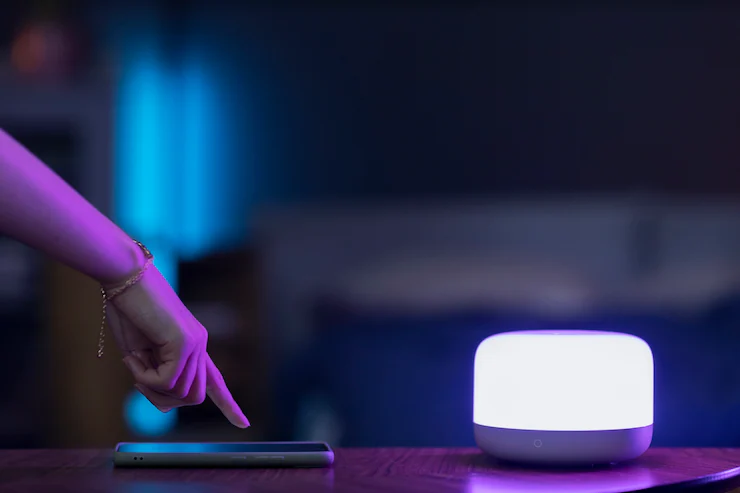
Adopting smart lighting can transform your home, offering convenience, energy savings, and a modern touch. However, many users encounter avoidable pitfalls during setup and daily use. This smart lighting common mistakes guide highlights frequent errors and provides practical advice so you can enjoy a seamless, efficient lighting experience from the start.
Whether you’re upgrading a single room or planning a whole-home system, understanding these missteps helps you maximize your investment. If you’re interested in design inspiration, you might also want to explore smart lighting for modern interiors for ideas on integrating technology with style.
Overlooking Compatibility and Ecosystem Limitations
One of the most common issues is failing to check compatibility between devices and platforms. Not all smart bulbs, switches, or hubs work seamlessly together. For example, some products are designed specifically for Apple HomeKit, while others only support Google Home or Amazon Alexa.
- Check device compatibility before purchasing. Review manufacturer specifications and user forums.
- Consider your existing smart home ecosystem. Mixing brands can lead to fragmented control and limited automation.
- Look for products that support major standards like Zigbee, Z-Wave, or Matter for broader interoperability.
Choosing the wrong ecosystem can lead to frustration and additional costs if you need to replace incompatible devices later.
Poor Network Planning and Wi-Fi Coverage
Smart lighting relies heavily on your home network. Weak Wi-Fi signals or overloaded routers can cause lag, disconnections, or unresponsive lights. This is especially true for larger homes or setups with many connected devices.
- Test Wi-Fi strength in every area you plan to install smart lights.
- Upgrade your router if needed, or add mesh Wi-Fi nodes to improve coverage.
- For Zigbee or Z-Wave systems, ensure your hub is centrally located and avoid physical obstructions.
Reliable connectivity is essential for smooth operation and remote control. Ignoring network requirements is a frequent oversight highlighted in any smart lighting common mistakes guide.

Neglecting the Importance of Proper Bulb Placement
Smart bulbs and fixtures offer advanced features, but their effectiveness depends on thoughtful placement. Installing lights in the wrong locations can result in poor coverage, wasted energy, or unsatisfactory ambiance.
- Plan your lighting layout before installation. Consider the purpose of each room and the activities that take place there.
- Use dimmable bulbs or adjustable color temperature to match different moods and times of day.
- Don’t forget about accent lighting for artwork, shelves, or architectural features.
For more on adapting smart lighting to different home types, see the smart lighting for old houses explained guide, which covers unique challenges in older properties.
Skipping the Setup of Scenes and Automation
Many users install smart lighting but never take full advantage of automation features. Relying solely on manual app control or voice commands misses out on the real benefits of smart technology.
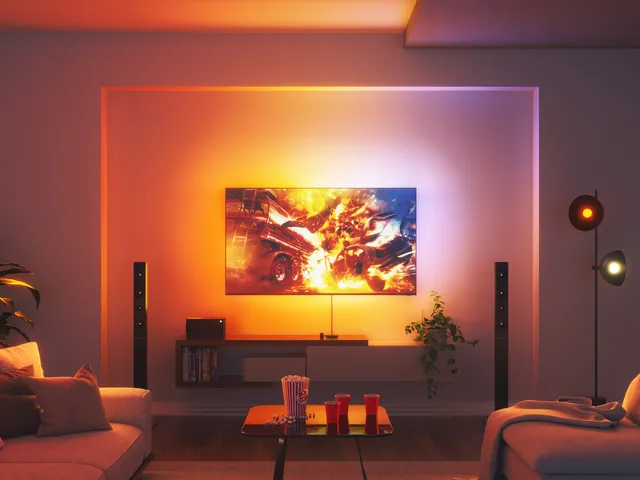
- Set up scenes for common activities like movie nights, reading, or entertaining guests.
- Use schedules or triggers (such as sunset, motion sensors, or geofencing) to automate lighting changes.
- Experiment with routines that gradually adjust brightness in the morning or evening for comfort and energy savings.
Automation not only adds convenience but can also improve security and reduce energy costs.
Ignoring Firmware Updates and Security Best Practices
Smart lighting devices are connected to your home network and, like any connected device, require regular updates for security and performance. Failing to update firmware or use secure passwords can expose your system to vulnerabilities.
- Enable automatic updates if available, or check for firmware updates periodically.
- Use strong, unique passwords for your smart home accounts and Wi-Fi network.
- Disable unused features or integrations to reduce potential attack surfaces.
Staying current with updates ensures your system remains reliable and secure over time.
Underestimating Power and Switch Requirements
Many first-time users overlook the impact of existing wall switches and electrical wiring. Turning off a traditional switch cuts power to smart bulbs, rendering them unresponsive to app or voice commands.
- Consider replacing standard switches with smart switches or using switch covers to prevent accidental shutoff.
- For renters or those in older homes, explore non-permanent options in the smart lighting for renters explained article.
- Always follow safety guidelines and consult an electrician if you’re unsure about installation.
Overcomplicating the System
It’s easy to get carried away with advanced features and integrations. Overcomplicating your setup can lead to confusion, technical issues, and a poor user experience.
- Start simple. Focus on essential rooms and basic automations before expanding.
- Document your setup, including device names and automation rules, for easier troubleshooting.
- Regularly review and streamline your routines as your needs change.
Keeping your system manageable ensures it remains enjoyable and effective for everyone in your household.
Missing Out on Expert Resources and Support
Don’t hesitate to consult official documentation, user forums, or professional installers if you encounter challenges. Many manufacturers offer detailed guides and troubleshooting tips. For a foundational overview, see this introduction to smart lighting systems that covers how these technologies work and what to consider before buying.
FAQ
What are the most frequent mistakes when setting up smart lighting?
Common errors include ignoring device compatibility, neglecting Wi-Fi coverage, poor bulb placement, skipping automation features, and failing to update firmware. Addressing these areas leads to a smoother experience.
How can I ensure my smart lights work reliably?
Check compatibility with your chosen ecosystem, ensure strong network coverage, keep devices updated, and use automation to reduce manual intervention. Planning your setup before installation also helps prevent issues.
Are smart lights suitable for renters or older homes?
Yes, there are non-permanent solutions and retrofit options available. For more details, visit the smart lighting retrofit guide for tips on upgrading existing spaces without major renovations.
Is it necessary to automate smart lighting?
While not required, automation unlocks the full potential of smart lighting, offering convenience, energy savings, and improved security. Even simple schedules or motion triggers can make a big difference.
Conclusion
Smart lighting can greatly enhance your living space, but avoiding common mistakes is key to a successful setup. By planning ahead, choosing compatible devices, ensuring strong connectivity, and making use of automation, you’ll enjoy a more reliable and enjoyable smart home experience. Use this smart lighting common mistakes guide as a reference whenever you expand or update your system, and don’t hesitate to seek out additional resources for specialized needs.